

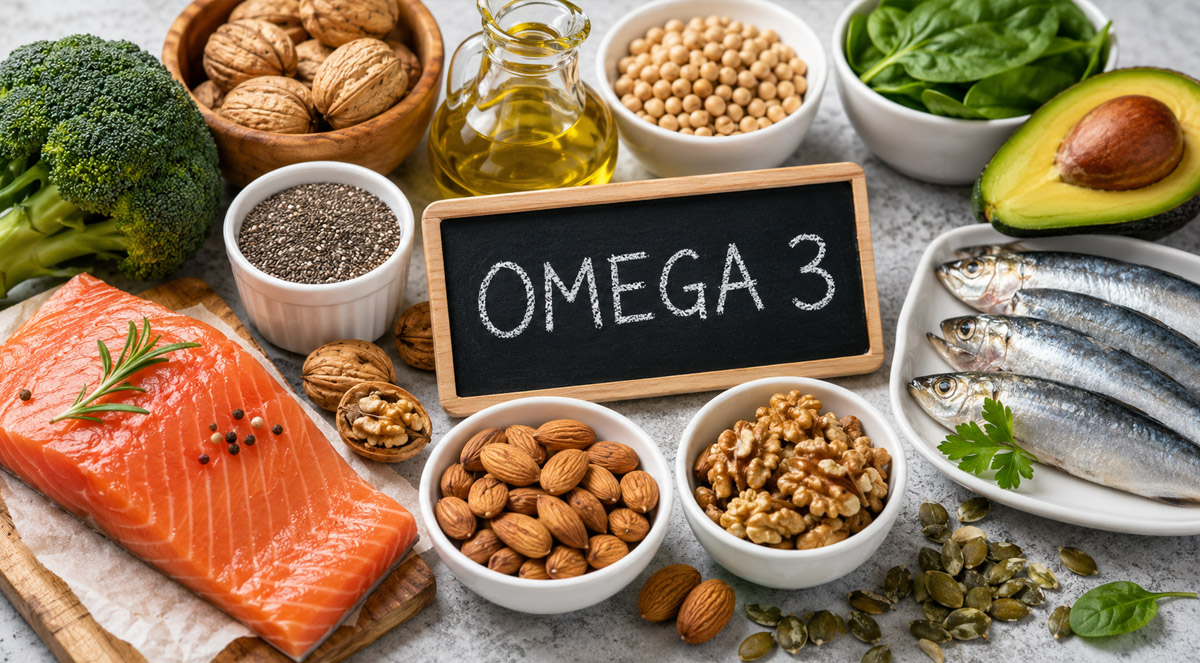
Foods High in Omega-3: Why These Healthy Fats Matter
Omega-3 fatty acids have earned their reputation as one of the most important nutrients for overall health. These healthy fats play a vital role in supporting the heart, brain, eyes, joints, and immune system. Yet many people don’t get enough omega-3s through their everyday diet.
Whether you’re looking to improve cardiovascular health, reduce inflammation, or simply eat a more balanced diet, adding foods high in omega-3 is one of the easiest and most effective changes you can make.
In this guide, you’ll discover the best natural sources of omega-3 fatty acids, their proven health benefits, and practical tips for getting more of them every day.
What Are Omega-3 Fatty Acids?
Omega-3s are essential polyunsaturated fats. Your body cannot produce them on its own, meaning you must obtain them from food or supplements.
There are three main types of omega-3 fatty acids:
EPA (Eicosapentaenoic Acid)
Primarily found in fatty fish, EPA supports heart health and helps reduce inflammation throughout the body.
DHA (Docosahexaenoic Acid)
Also found in seafood, DHA is essential for brain function, memory, vision, and nervous system development.
ALA (Alpha-Linolenic Acid)
Found in many plant foods, ALA can be converted into EPA and DHA by the body, although the conversion rate is relatively low.

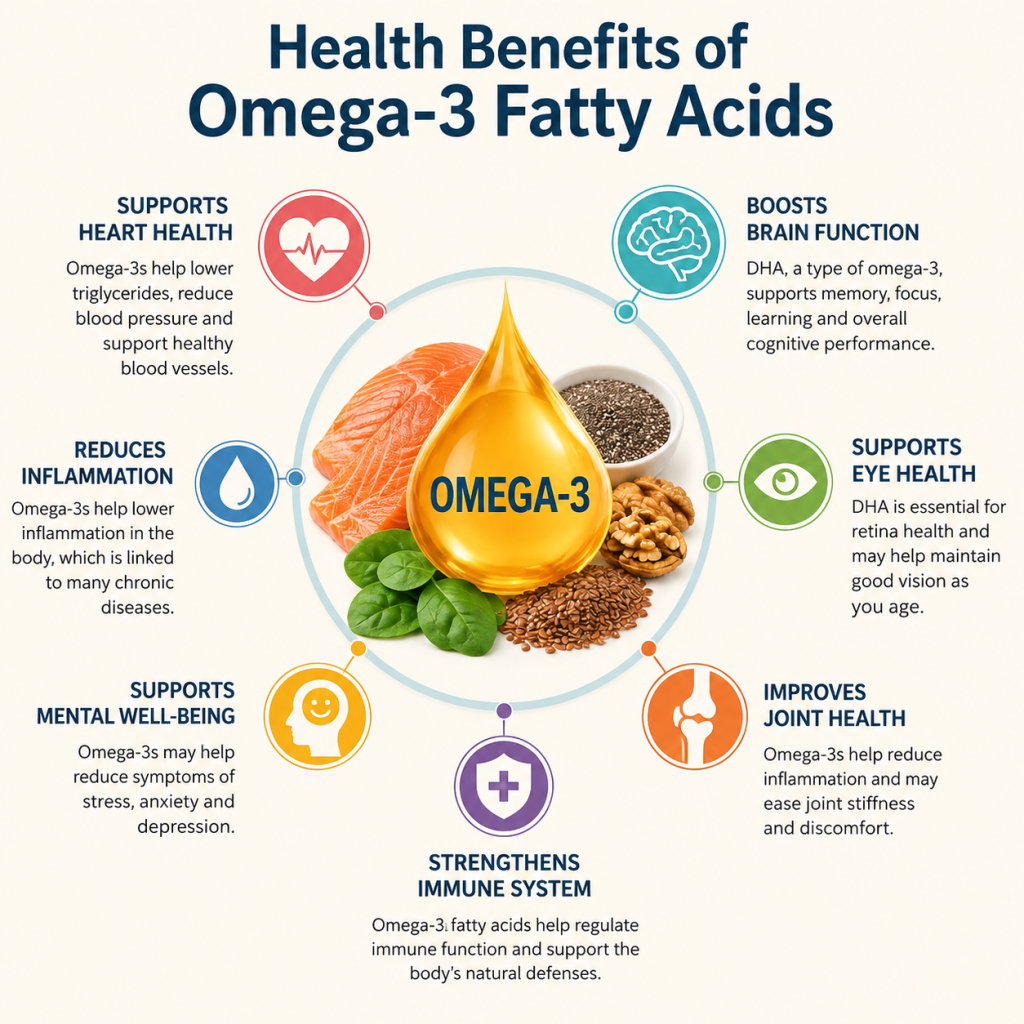
Health Benefits of Omega-3 Fatty Acids
Research has linked adequate omega-3 intake to numerous health benefits.
Supports Heart Health
Omega-3 fatty acids may help:
- Lower triglyceride levels
- Support healthy blood pressure
- Reduce inflammation
- Improve blood vessel function
- Lower the risk of cardiovascular disease
A diet rich in omega-3s is often recommended as part of a heart-healthy lifestyle.
Promotes Brain Function
The brain contains large amounts of DHA, making omega-3s especially important for:
- Memory
- Learning
- Concentration
- Cognitive performance
- Healthy aging
Adequate omega-3 intake may also support mental well-being.
Helps Reduce Inflammation
Chronic inflammation has been associated with conditions such as arthritis, diabetes, and heart disease.
Omega-3 fats help regulate inflammatory processes, making them beneficial for overall wellness and recovery.
Supports Eye Health
DHA is a major structural component of the retina. Getting enough omega-3 may help maintain healthy vision throughout life.
May Benefit Joint Health
Some studies suggest omega-3-rich foods can help reduce joint stiffness and discomfort associated with inflammatory conditions.
Best Foods High in Omega-3
Here are some of the richest natural sources of omega-3 fatty acids.
1. Salmon
Salmon is one of the best-known omega-3 foods.
A single serving provides generous amounts of EPA and DHA, along with:
- High-quality protein
- Vitamin D
- Selenium
- B vitamins
Wild-caught salmon generally contains slightly higher omega-3 levels than farmed varieties, although both are excellent choices.
2. Sardines
These small fish are nutritional powerhouses.
Sardines provide:
- Omega-3 fats
- Calcium
- Vitamin B12
- Iron
- Vitamin D
Because they are lower on the food chain, sardines also tend to contain less mercury than many larger fish.
3. Mackerel
Mackerel is among the richest fish sources of omega-3 fatty acids.
It also supplies:
- Protein
- Vitamin B12
- Selenium
- Vitamin D
Grilled or baked mackerel makes an excellent addition to a healthy weekly meal plan.
4. Herring
Popular in many European countries, herring offers impressive amounts of EPA and DHA.
It can be enjoyed:
- Smoked
- Pickled
- Grilled
- Fresh
5. Anchovies
Although small, anchovies are packed with nutrients.
They’re often used in:
- Pasta dishes
- Salads
- Pizza
- Mediterranean recipes
A little goes a long way in boosting omega-3 intake.
6. Chia Seeds
For those following vegetarian or vegan diets, chia seeds are one of the richest plant-based sources of ALA.
They also provide:
- Fiber
- Calcium
- Magnesium
- Antioxidants
- Plant protein
Try adding them to smoothies, yogurt, oatmeal, or overnight oats.
7. Flaxseeds
Ground flaxseeds are another excellent source of ALA omega-3s.
They can easily be mixed into:
- Smoothies
- Oatmeal
- Yogurt
- Homemade bread
- Muffins
Grinding flaxseeds improves nutrient absorption.
8. Walnuts
Walnuts are one of the few nuts naturally rich in omega-3 fats.
They’re also packed with:
- Healthy fats
- Protein
- Fiber
- Vitamin E
- Copper
A small handful makes a satisfying heart-healthy snack.
9. Hemp Seeds
Hemp seeds offer a balanced nutritional profile that includes:
- Omega-3 fats
- Complete plant protein
- Magnesium
- Iron
- Zinc
Their mild, nutty flavor works well in salads, cereals, and smoothies.
10. Soybeans and Edamame
Soy products contain modest amounts of ALA omega-3.
Edamame also delivers:
- Plant protein
- Fiber
- Folate
- Iron
Making them an excellent addition to vegetarian meals.
How Much Omega-3 Do You Need?
While recommendations vary slightly by age and health status, many health organizations suggest adults aim for:
- Two servings of fatty fish per week
- About 250–500 mg of combined EPA and DHA daily for general health
- Approximately 1.1–1.6 grams of ALA per day, depending on age and sex
If you don’t eat fish, plant-based sources can still contribute valuable omega-3s, though some people may choose to discuss algae-based supplements with their healthcare provider.
Easy Ways to Eat More Omega-3 Foods
Adding omega-3-rich foods doesn’t have to be complicated.
Some simple ideas include:
- Eat salmon for dinner once or twice a week.
- Sprinkle chia or flaxseeds over breakfast cereal.
- Add walnuts to salads.
- Blend hemp seeds into smoothies.
- Snack on roasted edamame.
- Include sardines on whole-grain toast.
- Make overnight oats with chia seeds.
- Add ground flaxseed to homemade pancakes or muffins.
Small dietary changes can make a meaningful difference over time.
Are Omega-3 Supplements Necessary?
Whole foods remain the best source of nutrients because they provide vitamins, minerals, protein, and antioxidants alongside omega-3 fats.
However, supplements may be helpful for individuals who:
- Rarely eat seafood
- Follow strict vegan diets
- Have increased nutritional needs
- Have been advised by their healthcare provider
Before starting any supplement, it’s best to consult a qualified healthcare professional, especially if you take blood-thinning medications or have an underlying medical condition.
Final Thoughts
Including more foods high in omega-3 is one of the simplest ways to support long-term health. From fatty fish like salmon and sardines to plant-based options such as chia seeds, flaxseeds, and walnuts, there are plenty of delicious choices for every lifestyle.
By making omega-3-rich foods a regular part of your diet, you can help support your heart, brain, joints, eyes, and overall well-being. Combined with a balanced diet, regular exercise, quality sleep, and other healthy habits, these nutrient-rich foods can contribute to a healthier future.
Frequently Asked Questions
What food contains the most omega-3?
Fatty fish such as mackerel, salmon, sardines, and herring are among the richest natural sources of EPA and DHA omega-3 fatty acids.
Can vegetarians get enough omega-3?
Yes. Chia seeds, flaxseeds, walnuts, hemp seeds, and soy products are excellent plant-based sources of ALA omega-3. Some vegetarians also choose algae-based DHA supplements.
Is it okay to eat omega-3-rich foods every day?
For most people, yes. Eating a variety of omega-3-rich foods as part of a balanced diet is considered safe and beneficial. If you have a medical condition or take medications that affect blood clotting, consult your healthcare provider before making significant dietary changes.
Are eggs high in omega-3?
Regular eggs contain only small amounts of omega-3. However, specially fortified omega-3 eggs can provide significantly higher levels, depending on how the hens are fed.