

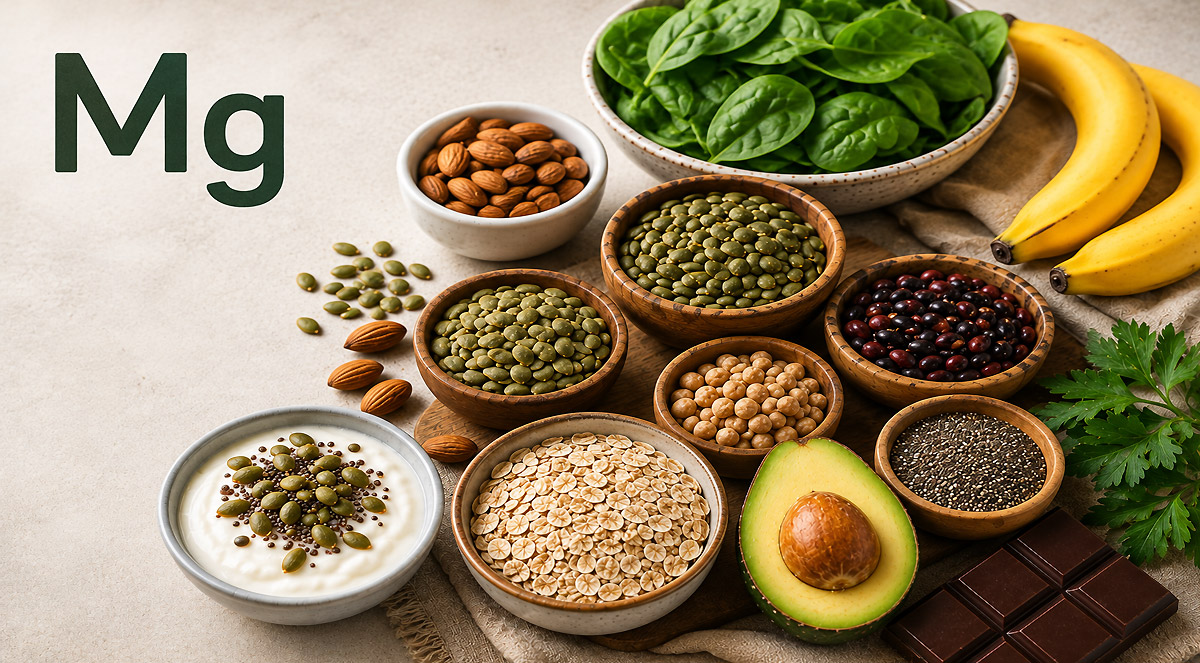
Magnesium is one of the most important minerals in the human body, yet it’s often overlooked. It plays a role in more than 300 biochemical processes, including muscle function, nerve signaling, energy production, heart health, and bone strength.
Despite its importance, many people don’t get enough magnesium through their diet. Mild magnesium deficiency can develop gradually, and the symptoms are often mistaken for stress, aging, or lack of sleep.
Recognizing the early warning signs may help you address the problem before it becomes more serious.
What Is Magnesium?
Magnesium is an essential mineral found naturally in many foods. Your body relies on it to regulate muscle contractions, maintain a healthy heartbeat, support the nervous system, produce protein, and convert food into energy.
Because the body cannot produce magnesium on its own, it must come from food or supplements when needed.
What Causes Magnesium Deficiency?
Several factors can contribute to low magnesium levels, including:
- A diet low in whole foods
- Digestive disorders that reduce nutrient absorption
- Type 2 diabetes
- Excessive alcohol consumption
- Long-term use of certain medications, such as some diuretics or proton pump inhibitors
- Increased magnesium needs during periods of stress or intense physical activity
Older adults may also be at a higher risk because magnesium absorption tends to decrease with age.
15 Signs of Magnesium Deficiency
1. Frequent Muscle Cramps
Painful muscle cramps—especially in the legs or feet—are among the most recognized symptoms of magnesium deficiency. Magnesium helps muscles relax after they contract.
2. Muscle Twitching
Small, involuntary muscle twitches around the eyes, face, or limbs may occur when magnesium levels are low. Although usually harmless, persistent twitching may deserve medical evaluation.

3. Persistent Fatigue
Feeling tired despite getting enough sleep can sometimes be linked to inadequate magnesium intake. Since magnesium is involved in energy production, low levels may leave you feeling drained.
4. Weakness
Muscle weakness that isn’t explained by exercise or illness may be another warning sign. Low magnesium can reduce muscle performance and endurance.
5. Trouble Sleeping
Difficulty falling asleep or staying asleep has been associated with low magnesium in some people. Magnesium helps regulate neurotransmitters involved in relaxation and sleep.
6. Anxiety or Increased Stress
While magnesium isn’t a cure for anxiety, it plays a role in nervous system function. Some people with low magnesium report feeling more irritable, tense, or anxious.
7. Headaches or Migraines
Research suggests that magnesium deficiency may contribute to migraine headaches in some individuals. Healthcare providers sometimes recommend magnesium supplementation as part of a migraine management plan.
8. Irregular Heartbeat
Magnesium helps regulate electrical activity in the heart. In severe cases, deficiency may contribute to heart rhythm abnormalities. Any unexplained irregular heartbeat should be evaluated promptly by a healthcare professional.
9. Numbness or Tingling
Low magnesium levels may interfere with nerve function, leading to sensations of tingling or numbness in the hands, feet, or face.
10. Loss of Appetite
One of the earliest symptoms of magnesium deficiency can be a reduced appetite. This symptom often appears alongside fatigue or nausea.
11. Nausea
Feeling nauseated without an obvious cause may sometimes accompany magnesium deficiency, particularly when levels become significantly low.
12. High Blood Pressure
Magnesium helps relax blood vessels. Although many factors influence blood pressure, getting enough magnesium may support healthy cardiovascular function.
13. Constipation
Magnesium contributes to normal muscle contractions throughout the digestive tract. Low levels may slow bowel movements in some people.
14. Difficulty Concentrating
Problems with focus, memory, or mental clarity can have many causes, but inadequate magnesium intake may be one contributing factor.
15. Frequent Bone Problems
About 60% of the body’s magnesium is stored in bones. Long-term deficiency may affect bone density and increase the risk of osteoporosis over time.
Best Foods Rich in Magnesium
Fortunately, magnesium is found in many nutritious foods.
Excellent sources include:
- Spinach
- Swiss chard
- Pumpkin seeds
- Chia seeds
- Almonds
- Cashews
- Black beans
- Lentils
- Avocados
- Dark chocolate (70% cocoa or higher)
- Oats
- Brown rice
- Quinoa
- Tofu
- Bananas
Including a variety of these foods in your meals can help support healthy magnesium levels naturally.
Should You Take Magnesium Supplements?
Some people may benefit from magnesium supplements, particularly if dietary intake is insufficient or a healthcare provider has identified a deficiency.
However, supplements aren’t appropriate for everyone. Excessive magnesium from supplements can cause diarrhea and may interact with certain medications.
If you’re considering supplementation, speak with a healthcare professional to determine the appropriate type and dosage for your needs.
How to Improve Your Magnesium Intake Naturally
Small dietary changes can make a big difference over time.
Try these simple strategies:
- Eat leafy green vegetables several times a week.
- Replace refined grains with whole grains.
- Snack on nuts and seeds instead of processed foods.
- Include beans or lentils in soups, salads, and side dishes.
- Enjoy dark chocolate occasionally as part of a balanced diet.
- Limit highly processed foods that tend to be low in magnesium.
When Should You See a Doctor?
Many symptoms of magnesium deficiency overlap with those of other health conditions. If you’re experiencing persistent fatigue, muscle cramps, irregular heartbeat, numbness, or other concerning symptoms, it’s important to consult a healthcare professional.
A doctor can determine whether magnesium deficiency or another medical condition is responsible and recommend appropriate treatment.
Final Thoughts
Magnesium is a vital nutrient that supports nearly every system in the body. While mild deficiency may go unnoticed at first, symptoms such as muscle cramps, fatigue, poor sleep, headaches, and weakness can become more noticeable over time.
The good news is that many people can improve their magnesium intake by eating more leafy greens, legumes, nuts, seeds, whole grains, and other nutrient-rich foods. If you suspect you may have a magnesium deficiency, seeking medical advice is the safest way to confirm the cause and develop an appropriate plan.
Making magnesium-rich foods a regular part of your diet is a simple step that can contribute to better overall health and long-term wellness.
Frequently Asked Questions
What are the first signs of magnesium deficiency?
Early symptoms may include muscle cramps, fatigue, loss of appetite, weakness, headaches, and difficulty sleeping. These symptoms are not specific to magnesium deficiency, so a medical evaluation may be needed.
Can magnesium deficiency cause anxiety?
Low magnesium levels may contribute to feelings of stress or anxiety in some people because magnesium supports healthy nervous system function. However, anxiety has many possible causes.
Which foods contain the most magnesium?
Pumpkin seeds, spinach, almonds, cashews, black beans, lentils, chia seeds, dark chocolate, oats, quinoa, and avocados are among the richest dietary sources.
How can I know if I’m deficient in magnesium?
The only reliable way to diagnose magnesium deficiency is through a medical evaluation. Your healthcare provider may recommend laboratory tests and review your symptoms and diet.