

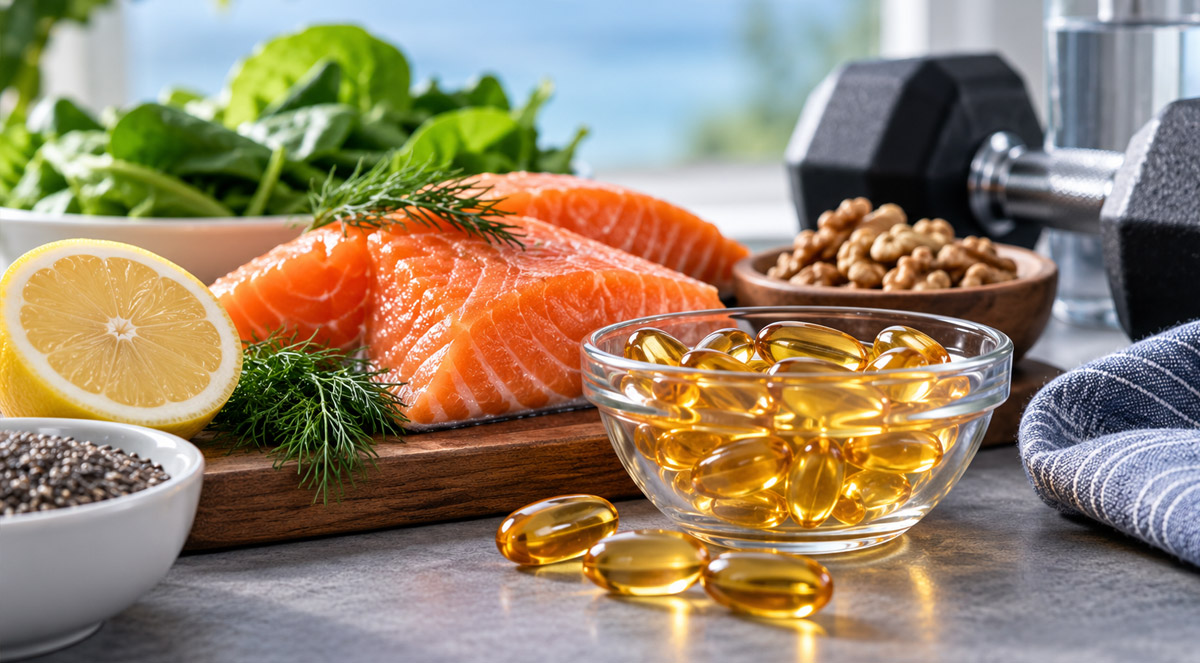
When people hear the words fat or oil, they sometimes assume that these foods should be avoided. But not all fats are the same. Certain fats are essential for normal health, and omega-3 fatty acids are among the fats that deserve a place in a balanced diet.
Fish oil is particularly well known for providing two important omega-3 fatty acids: EPA (eicosapentaenoic acid) and DHA (docosahexaenoic acid). These nutrients play important roles in the body and have been studied extensively for their potential effects on heart health, brain function, inflammation, and overall wellness.
For people who exercise regularly, fish and other sources of omega-3s can also be a useful part of a nutritious diet.
What Is Fish Oil?
Fish oil is an oil obtained from the tissues of oily fish. It is naturally rich in the omega-3 fatty acids EPA and DHA.
Common sources of dietary omega-3s include fatty fish such as salmon, sardines, mackerel, herring, and trout. Omega-3 fats can also be obtained from certain plant foods, including flaxseeds, chia seeds, walnuts, and some vegetable oils. However, plant sources primarily provide alpha-linolenic acid (ALA), which the body converts to EPA and DHA only in relatively small amounts.
Fish oil supplements are another source of EPA and DHA. They are available in different forms and concentrations, so the amount of omega-3 provided can vary considerably between products.
Why Are Omega-3 Fatty Acids Important?
Omega-3 fatty acids are considered essential fats because the body needs them for normal functioning. ALA is essential because the body cannot produce it on its own, while EPA and DHA can be obtained directly through foods such as fish.
DHA is an important structural component of cell membranes, particularly in the brain and eyes. EPA and DHA are also involved in processes that help regulate inflammation and other functions throughout the body.
This doesn’t mean that taking more omega-3 is automatically better. Like other nutrients, omega-3s are most useful as part of an overall balanced diet.
Omega-3 and Omega-6: What’s the Difference?
Omega-3 and omega-6 fatty acids are both polyunsaturated fats, and both are important for normal health.

Omega-6 fatty acids are found in foods such as nuts, seeds, and many vegetable oils. They are involved in normal growth, development, and immune function.
Omega-3 fatty acids are found in fatty fish, seafood, certain plant foods, and some fortified products.
It’s overly simplistic to describe omega-6 fats as “bad” and omega-3 fats as “good.” Both types of fatty acids have important biological functions. Instead of trying to eliminate omega-6 foods, it is generally more useful to focus on eating a varied diet that includes a good balance of nutritious foods and adequate sources of omega-3s.
Fish Oil and Heart Health
One of the most extensively studied areas of omega-3 research is cardiovascular health.
Eating fish regularly as part of a balanced diet is associated with several aspects of cardiovascular health. Omega-3 fatty acids may also have effects on blood triglyceride levels and other cardiovascular risk factors.
However, fish oil supplements are not a substitute for a heart-healthy lifestyle. Maintaining a healthy weight, exercising regularly, not smoking, managing blood pressure and cholesterol, and eating a nutrient-rich diet are all important for cardiovascular health.
People with heart disease or high triglycerides should discuss omega-3 supplements with their healthcare professional rather than relying on supplements as a treatment.
Can Fish Oil Help With Exercise and Fitness?
If you’re interested in fitness, you may wonder whether fish oil can improve exercise performance or recovery.
Research into omega-3 supplementation and exercise is ongoing. Some studies have explored potential effects on muscle soreness, recovery, muscle function, and inflammation, but the results are not consistent enough to consider fish oil a guaranteed performance enhancer.
What is much clearer is that omega-3-rich foods can contribute valuable nutrients to an overall healthy diet.
For active people, a meal containing grilled salmon, vegetables, and whole grains, for example, provides protein, omega-3 fatty acids, vitamins, minerals, and other nutrients that support general health and an active lifestyle.
Fish Oil and Inflammation
EPA and DHA are involved in the body’s regulation of inflammatory processes.
Because of this, researchers have investigated whether omega-3 supplementation may be useful for people experiencing inflammatory conditions. Some evidence suggests that omega-3s may have benefits for certain inflammatory conditions, but the effects vary depending on the condition, the dose, and the individual.
This is an important distinction: fish oil should not be considered a universal treatment for inflammation or a replacement for medical care.
If you have a diagnosed inflammatory condition, speak with your healthcare professional about whether omega-3 supplementation is appropriate for you.
What About Fish Oil and Weight Loss?
Fish oil is sometimes marketed as a weight-loss supplement, but it should not be viewed as a fat-burning solution.
Eating fish can certainly fit into a healthy weight-management plan. Fish is often a good source of protein, and replacing foods high in saturated fat or highly processed foods with nutrient-dense fish and vegetables can improve the overall quality of a diet.
However, taking a fish oil supplement alone is unlikely to produce significant weight loss.
Successful weight management depends on the overall balance of your diet, physical activity, sleep, and long-term lifestyle habits.
Fish Oil and Brain Health
DHA is particularly important for the structure and function of the brain, which is one reason omega-3s have received considerable attention in brain-health research.
Eating fish as part of a balanced diet provides DHA and EPA along with other nutrients that may contribute to overall health.
Researchers continue to investigate whether omega-3 supplementation can prevent or treat specific neurological or mental health conditions. Although some findings are promising, fish oil should not be considered a stand-alone treatment for depression, anxiety, dementia, or other mental health or neurological disorders.
Anyone experiencing symptoms of a mental or neurological condition should seek appropriate professional care.
Getting Omega-3s From Food
For most people, food is an excellent place to start.
Fatty fish such as salmon, sardines, mackerel, herring, and trout are particularly rich sources of EPA and DHA. Including fish in your meals regularly can provide omega-3s along with high-quality protein and other important nutrients.
Plant-based options such as walnuts, chia seeds, flaxseeds, and hemp seeds provide ALA. These foods can be especially useful for people who eat little or no fish.
A varied diet is generally preferable to relying on a single food or supplement to provide all your nutritional needs.
Should You Take a Fish Oil Supplement?
Not everyone needs a fish oil supplement.
If you regularly eat fish and have a balanced diet, you may already be getting sufficient omega-3 fatty acids from food. Supplements may be useful in certain situations, but the decision should depend on your individual diet and health needs.
If you are considering a fish oil supplement, look beyond the total amount of “fish oil” listed on the front of the package. The more relevant numbers are usually the amounts of EPA and DHA, because these are the primary omega-3 fatty acids you’re looking for.
It’s also important to choose products from reputable manufacturers and follow the recommended serving instructions.
Are Fish Oil Supplements Safe?
Fish oil supplements are generally well tolerated by many people, but they are not completely risk-free.
Possible side effects can include an unpleasant taste, fishy aftertaste, heartburn, nausea, or digestive discomfort. High doses may also affect blood clotting, which is particularly important for people taking anticoagulant or antiplatelet medications.
For this reason, anyone taking prescription medication, preparing for surgery, pregnant or breastfeeding, or managing a medical condition should discuss fish oil supplementation with a healthcare professional before taking it.
More is not necessarily better when it comes to supplements.
A Healthy Diet Comes First
Fish oil can be a useful source of omega-3 fatty acids, but it shouldn’t be treated as a magic solution for fitness or health.
A healthy lifestyle is built from many pieces: nutritious food, regular physical activity, sufficient sleep, stress management, and appropriate medical care when needed.
For many people, adding oily fish to meals a couple of times a week can be a practical way to increase their intake of EPA and DHA. If you don’t eat fish or are considering a supplement, a doctor or registered dietitian can help you determine what makes sense for your individual situation.
The Bottom Line
The benefits of fish oil for health and fitness are mainly connected to its omega-3 fatty acids, particularly EPA and DHA. These nutrients play important roles in normal body function and have been extensively studied for their potential cardiovascular, inflammatory, and other health effects.
Rather than viewing fish oil as a quick fix, think of it as one small part of a healthy lifestyle. Choosing nutritious foods, staying active, and maintaining sustainable habits will always matter more than any single supplement.

Mrs. Jones
I’ve been taking it daily for the last month and definitely feel the benefits in the joints on my legs. Thanks for the information! ;)