

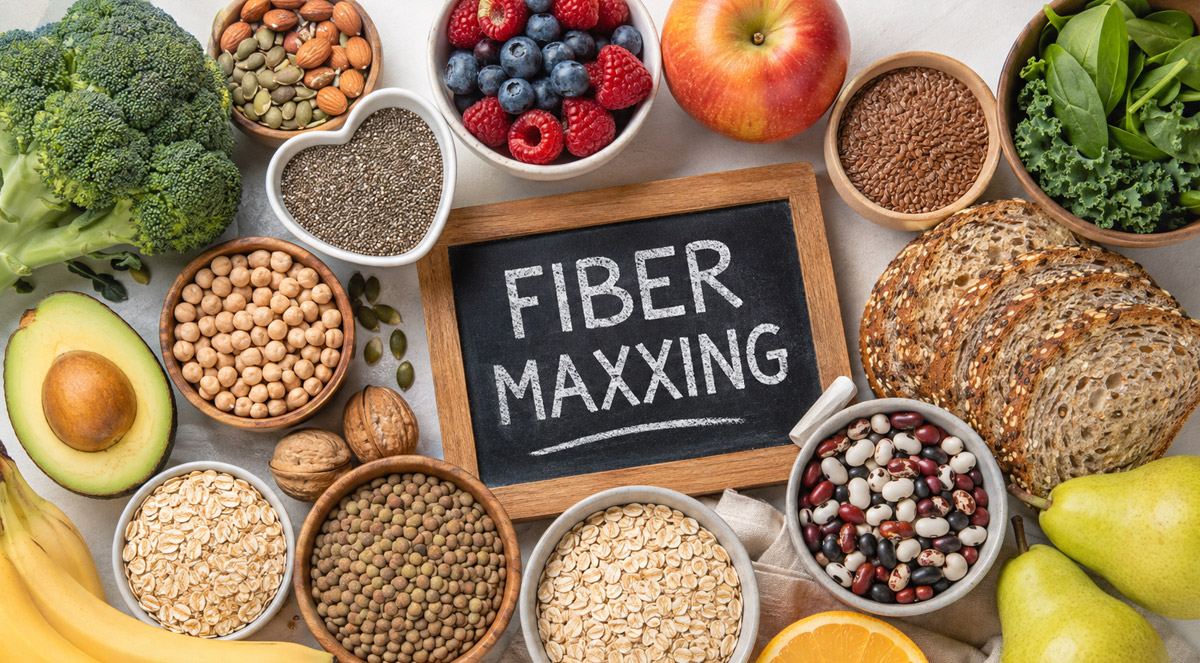
If you’ve spent any time on social media lately, you’ve probably come across the term fibermaxxing. From nutrition influencers to health-conscious food creators, more people are talking about maximizing their daily fiber intake to improve digestion, support weight management, and boost overall health.
But is fibermaxxing just another wellness trend, or is there real science behind it?
The good news is that increasing your fiber intake can offer significant health benefits when done correctly. However, like any dietary change, it’s important to understand what fibermaxxing involves and how to avoid common mistakes.
What Is Fibermaxxing?
Fibermaxxing is the practice of intentionally increasing your daily dietary fiber intake by eating more fiber-rich foods throughout the day. Unlike restrictive diets that eliminate certain foods, fibermaxxing focuses on adding nutritious foods such as:
- Fruits
- Vegetables
- Whole grains
- Beans and legumes
- Nuts and seeds
The goal isn’t simply to consume as much fiber as possible but to meet—or slightly exceed—the recommended daily intake through balanced, whole-food nutrition.
Why Is Fiber Suddenly So Popular?
Despite its importance, most adults consume far less fiber than experts recommend. Modern diets often rely heavily on processed foods, which are typically low in fiber.
As awareness grows about the connection between gut health and overall wellness, fiber has become one of the most talked-about nutrients in nutrition. Researchers continue to find links between adequate fiber intake and better digestive health, improved blood sugar control, healthier cholesterol levels, and a reduced risk of several chronic diseases.
Health Benefits of Fibermaxxing

Supports a Healthy Digestive System
Fiber is best known for promoting regular bowel movements and preventing constipation. It helps move waste through the digestive tract while feeding beneficial bacteria in your gut.
A healthier gut microbiome has been associated with improved digestion, stronger immune function, and even better mental well-being.
Helps You Feel Full Longer
Foods rich in fiber take longer to digest, helping you stay satisfied between meals. This natural feeling of fullness may reduce unnecessary snacking and support healthy weight management.
Supports Heart Health
Soluble fiber, found in foods like oats, beans, apples, and barley, can help lower LDL (“bad”) cholesterol levels. Over time, this may contribute to better cardiovascular health.
Promotes Stable Blood Sugar
Fiber slows the absorption of carbohydrates, helping prevent sharp spikes in blood sugar after meals. This makes fiber-rich meals beneficial for people trying to maintain steady energy levels or support healthy glucose control.
May Reduce Disease Risk
Research suggests that diets high in fiber are associated with a lower risk of conditions including:
- Type 2 diabetes
- Heart disease
- Colorectal cancer
- Diverticular disease
- Obesity
While fiber isn’t a cure-all, it’s an important part of a healthy lifestyle.
How Much Fiber Do You Need?
General daily recommendations include:
- Women (19–50): Approximately 25 grams per day
- Men (19–50): Approximately 38 grams per day
- Adults over 50 may need slightly less due to changing calorie requirements.
Unfortunately, many people consume only about half of these recommended amounts.
Best Foods for Fibermaxxing
Instead of relying on supplements, focus on naturally fiber-rich foods.
Fruits
- Apples
- Pears
- Raspberries
- Blackberries
- Oranges
Vegetables
- Broccoli
- Brussels sprouts
- Carrots
- Sweet potatoes
- Green peas
Whole Grains
- Oats
- Brown rice
- Quinoa
- Whole wheat bread
- Barley
Legumes
- Lentils
- Chickpeas
- Black beans
- Kidney beans
- Split peas
Nuts and Seeds
- Chia seeds
- Flaxseeds
- Almonds
- Pistachios
- Sunflower seeds
Eating a variety of these foods provides both soluble and insoluble fiber, each offering unique health benefits.
Are There Any Risks?
Fibermaxxing is generally safe, but increasing fiber too quickly can lead to uncomfortable digestive symptoms such as:
- Bloating
- Gas
- Abdominal cramps
- Constipation (if water intake is too low)
These side effects usually occur because the digestive system needs time to adjust.
The key is to increase your fiber gradually over several weeks while drinking plenty of water.
Tips for Fibermaxxing the Right Way
If you’re interested in trying fibermaxxing, start with small changes that are easy to maintain.
- Add fruit to your breakfast.
- Choose whole-grain bread instead of white bread.
- Include beans or lentils in soups and salads.
- Snack on vegetables, nuts, or fresh fruit.
- Leave edible fruit skins on whenever possible.
- Drink enough water throughout the day.
Making gradual improvements is far more sustainable than trying to overhaul your diet overnight.
Should You Take Fiber Supplements?
Fiber supplements can be useful for people who struggle to meet their needs through food alone. However, whole foods remain the best source because they also provide vitamins, minerals, antioxidants, and other beneficial plant compounds.
If you’re considering supplements, it’s a good idea to speak with a healthcare professional, especially if you have digestive conditions or take medications.
Is Fibermaxxing Worth Trying?
For most healthy adults, the answer is yes.
Fibermaxxing isn’t about chasing another viral wellness trend—it’s about correcting a nutritional gap that affects millions of people. Increasing your fiber intake through fruits, vegetables, legumes, whole grains, nuts, and seeds can support digestion, improve satiety, promote heart health, and contribute to long-term wellness.
The most effective approach is to make gradual, sustainable changes rather than dramatically increasing your fiber intake overnight.
If your current diet is low in fiber, adding a few extra servings of plant-based foods each day could be one of the simplest steps you take toward better health.
Frequently Asked Questions
Is fibermaxxing healthy?
Yes. For most people, increasing dietary fiber through whole foods is a healthy habit that supports digestion, heart health, and overall wellness. The key is to increase fiber gradually and stay well hydrated.
Can fiber help with weight loss?
Fiber may support weight management by helping you feel fuller for longer, which can reduce overeating. However, it works best as part of a balanced diet and active lifestyle.
Can you eat too much fiber?
Yes. Suddenly consuming very large amounts of fiber can cause bloating, gas, and digestive discomfort. Gradually increasing your intake while drinking enough water helps minimize these issues.
What foods have the most fiber?
Some of the best sources include lentils, black beans, chickpeas, chia seeds, flaxseeds, oats, raspberries, pears, broccoli, Brussels sprouts, and whole grains.