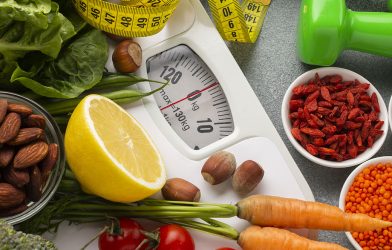


Losing weight naturally is absolutely possible, but it doesn’t usually come from a single food, supplement, or quick-fix diet. Sustainable weight loss is more about creating healthy habits that you can maintain for months and years—not simply following a restrictive plan for a few weeks.
For most people, natural weight loss comes down to eating nutritious foods, being physically active, getting enough sleep, managing stress, and finding a realistic balance between the calories the body uses and the calories it consumes.
The good news is that you don’t have to completely change your life overnight. Small, consistent improvements can add up over time.
What Does Natural Weight Loss Really Mean?
Natural weight loss generally means losing excess body weight through sustainable lifestyle habits rather than relying on extreme diets, unproven supplements, or rapid weight-loss methods.
Everyone’s body is different, and factors such as age, genetics, medications, sleep, stress, activity levels, and certain medical conditions can affect body weight. Because of this, healthy weight loss doesn’t look exactly the same for everyone.
Rather than focusing only on the number on the scale, it can be helpful to think about improving your overall eating habits, physical fitness, energy levels, and relationship with food.
Focus on Whole, Nutrient-Dense Foods
One of the most useful changes you can make is to build your diet around foods that provide plenty of nutrients without being excessively high in calories.
Try to make vegetables, fruits, whole grains, beans, lentils, lean sources of protein, nuts, seeds, and other minimally processed foods regular parts of your meals.
Protein and fiber are particularly helpful because they can contribute to feelings of fullness and make it easier to avoid constantly reaching for snacks.
This doesn’t mean you need to eliminate your favorite foods. A sustainable approach allows room for treats while making nutritious foods the foundation of your everyday diet.

Pay Attention to Portion Sizes
Even healthy foods can contribute to weight gain when eaten in very large quantities. Portion awareness can therefore be useful when you’re trying to lose weight.
Instead of automatically filling your plate, start with a reasonable serving and give yourself time to decide whether you’re still hungry.
Eating more slowly can also help. Your body needs time to recognize that you’ve eaten enough, so rushing through meals can make it easier to consume more food than you actually need.
Choose Foods That Keep You Full
One reason restrictive diets can be difficult to maintain is that hunger eventually catches up with you.
Meals containing a combination of protein, fiber, and healthy fats can be more satisfying than meals based primarily on refined carbohydrates or added sugars.
For example, a meal of grilled chicken, vegetables, and brown rice is likely to be more filling and nutritionally balanced than a meal consisting mainly of refined carbohydrates.
Simple combinations such as Greek yogurt with berries, oatmeal with nuts, or beans with vegetables can also make satisfying additions to a healthy eating pattern.
Drink More Water and Fewer Sugary Drinks
Water doesn’t magically cause fat loss, but replacing high-calorie beverages with water can make a meaningful difference to your overall calorie intake.
Soft drinks, sweetened coffees, energy drinks, and other sugary beverages can add a surprising amount of calories without providing the same sense of fullness as solid food.
Keeping a bottle of water nearby can make staying hydrated easier throughout the day. Unsweetened tea and coffee can also be reasonable choices for many people.
If you’re frequently hungry, however, don’t assume that every hunger signal is simply thirst. Your body may genuinely need food.
Make Physical Activity Part of Your Routine
Exercise is an important part of healthy weight management, but it doesn’t have to mean spending hours in the gym.
Walking, cycling, swimming, dancing, jogging, hiking, and other activities can help increase energy expenditure while also supporting cardiovascular health and overall fitness.
Strength training is particularly useful because it helps maintain and build muscle. A balanced routine can combine aerobic activity with resistance exercises.
If you’re currently inactive, start with something manageable. A daily walk may be a much more sustainable starting point than an ambitious workout program that you abandon after two weeks.
Don’t Underestimate Everyday Movement
You don’t have to consider every form of movement a formal workout.
Taking the stairs, walking while talking on the phone, doing household chores, gardening, standing up regularly during the workday, or walking to nearby destinations can all contribute to your overall activity level.
These small movements are sometimes overlooked, but increasing your everyday activity can be a practical way to create a more active lifestyle.
Get Enough Quality Sleep
Sleep is often forgotten when people talk about weight loss, yet it plays an important role in overall health.
Regularly getting too little sleep can affect appetite, food choices, energy levels, and your ability to stay physically active. When you’re exhausted, it can also become much harder to stick to healthy routines.
Most adults should aim for roughly seven to nine hours of sleep each night, although individual needs vary.
Creating a consistent bedtime, limiting stimulating activities before bed, and keeping your bedroom comfortable and dark can help support better sleep.
Manage Stress in Healthy Ways
Stress doesn’t automatically cause weight gain, but chronic stress can make healthy habits more difficult to maintain. Some people also respond to stress by eating more frequently or choosing highly palatable foods.
Finding healthier ways to cope with stress can therefore support your weight-management efforts.
Walking outdoors, exercising, practicing relaxation techniques, spending time with friends and family, pursuing hobbies, or simply taking regular breaks from work can all be useful.
The goal isn’t to eliminate stress completely—which isn’t realistic—but to develop healthier ways of dealing with it.
Avoid Extreme Dieting
Very restrictive diets can produce rapid changes on the scale, but they are often difficult to maintain.
Cutting out entire food groups without a medical reason, severely restricting calories, skipping meals, or relying on detoxes and “fat-burning” products can create an unhealthy relationship with food.
A better approach is usually to make gradual changes that you can realistically continue.
Think about what you could still be doing six months from now. If a diet feels impossible to maintain for that long, it may not be the right strategy for you.
What About Natural Ingredients for Weight Loss?
The idea of a natural ingredient that can dramatically accelerate weight loss is appealing, but this is where it’s important to separate realistic expectations from marketing claims.
Some foods and compounds have been studied for their possible effects on appetite, energy expenditure, blood sugar, or body composition. However, their effects are generally much smaller than the impact of overall diet, physical activity, sleep, and long-term lifestyle habits.
Green Tea and Green Tea Extract
Green tea contains caffeine and catechins, including EGCG, which have been investigated for their potential effects on energy metabolism.
Drinking green tea can certainly be part of a healthy diet, but it shouldn’t be viewed as a powerful fat-burning solution. Concentrated green tea extracts are also different from simply drinking tea and can have side effects in some people.
Caffeine
Caffeine can temporarily increase alertness and energy expenditure, which is one reason it appears in many weight-loss products.
Coffee and tea can be part of a healthy routine for many adults, but consuming large amounts of caffeine isn’t a good weight-loss strategy. Excessive caffeine may cause problems such as nervousness, digestive discomfort, increased heart rate, or difficulty sleeping.
And poor sleep can make healthy weight management more difficult.
Glucomannan
Glucomannan is a soluble fiber derived from the konjac plant. Because it absorbs water and expands in the digestive tract, it may help some people feel fuller.
Research on its effect on weight loss has produced mixed results, and supplements can interact with medications or cause digestive problems. Anyone considering a concentrated supplement should discuss it with a healthcare professional first.
Spicy Foods and Capsaicin
Capsaicin, the compound responsible for the heat in chili peppers, has been studied for its possible effects on appetite and energy expenditure.
Adding chili peppers to meals can certainly make food more flavorful without adding many calories, but the effect of capsaicin on weight loss is relatively modest. It shouldn’t be considered a substitute for a healthy eating pattern.
Apple Cider Vinegar
Apple cider vinegar is sometimes promoted as a natural weight-loss remedy. Although some research has investigated its possible effects on appetite, blood sugar, and body weight, the evidence isn’t strong enough to consider it a reliable weight-loss solution.
Drinking undiluted vinegar can also irritate the throat and damage tooth enamel, so using it as a concentrated daily “fat burner” isn’t advisable.
Probiotic Foods
Foods such as yogurt, kefir, sauerkraut, kimchi, and other fermented foods can provide beneficial microorganisms and nutrients.
Research into the relationship between the gut microbiome and body weight is ongoing, but probiotics shouldn’t be treated as a guaranteed weight-loss solution. Different probiotic strains can have different effects, and the evidence is still developing.
Garcinia Cambogia and CLA
Garcinia cambogia and conjugated linoleic acid (CLA) have both been marketed extensively for weight loss.
However, evidence for meaningful weight-loss benefits is limited or inconsistent. Marketing claims surrounding these products can be considerably stronger than the scientific evidence supporting them.
For that reason, it’s better to focus on established lifestyle habits rather than relying on weight-loss supplements.
How Fast Should You Lose Weight?
Healthy weight loss doesn’t need to happen quickly.
Your weight can naturally fluctuate from day to day because of water retention, food intake, sodium, hormones, and other factors. A temporary change on the scale doesn’t necessarily mean you’ve gained or lost the same amount of body fat.
Instead of obsessing over daily numbers, look at longer-term trends and pay attention to other signs of progress, such as improved fitness, better eating habits, increased energy, or clothes fitting differently.
If you’re losing weight gradually while maintaining healthy habits, that’s generally a more sustainable approach than trying to achieve dramatic results in a short period.
Make Weight Loss About More Than the Scale
A healthy lifestyle isn’t successful only when the number on the scale goes down.
Being able to walk farther, becoming stronger, sleeping better, eating more vegetables, drinking fewer sugary beverages, and feeling more energetic are all meaningful improvements.
These habits can also help you maintain your progress once you’ve reached a weight that’s appropriate for you.
The Bottom Line
So, is it possible to lose weight naturally?
Yes—but sustainable natural weight loss is much less about finding a magical ingredient and much more about building habits that work with your lifestyle.
Focus on nutritious foods, reasonable portions, regular movement, adequate sleep, hydration, and healthy stress management. Give yourself time to adapt rather than expecting dramatic changes overnight.
Natural weight loss should be viewed as a long-term health journey, not a race.
If you have a significant amount of weight to lose, are pregnant or breastfeeding, have a medical condition, take medications that may affect weight, or are considering weight-loss supplements, speak with a qualified healthcare professional or registered dietitian before making major changes to your diet or starting supplements.