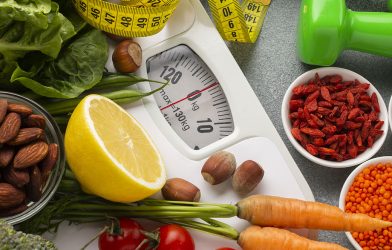


Losing weight naturally is possible, but it usually doesn’t come from a single food, supplement, or quick-fix diet. Sustainable weight loss is more often the result of small, consistent changes that help you eat well, stay active, sleep better, and create healthier daily habits.
The good news is that you don’t necessarily need an extreme diet or exhausting workout routine to get started. For many people, a more balanced approach can be easier to maintain and more beneficial in the long run.
What Does Natural Weight Loss Mean?
Natural weight loss generally means losing excess body weight through sustainable lifestyle habits rather than relying on unproven supplements, extreme calorie restriction, or crash diets.
Your body needs energy from food to function. When you consistently consume less energy than your body uses, it can draw on stored energy, which can lead to weight loss over time. However, the goal shouldn’t simply be to eat as little as possible.
A healthier approach focuses on the quality of your diet, appropriate portions, regular movement, and habits you can realistically maintain.
Start With the Foods You Eat
One of the simplest ways to support healthy weight loss is to build meals around nutritious, minimally processed foods.
Vegetables, fruits, whole grains, beans, lean sources of protein, nuts, seeds, and other nutrient-dense foods can help provide the vitamins, minerals, fiber, and protein your body needs.
Fiber and protein can also help you feel satisfied after eating, which may make it easier to manage portions and avoid constant snacking.
You don’t have to completely eliminate your favorite foods. Instead, try making healthier foods the foundation of most meals and enjoying less nutritious foods in moderation.
Pay Attention to Portions
Even healthy foods can contribute to weight gain when portions consistently exceed your body’s needs.

You don’t necessarily have to weigh every ingredient or count every calorie. A simple starting point is to become more aware of how much you’re eating and slow down during meals.
Eating without distractions, using reasonable serving sizes, and paying attention to your hunger and fullness can help you develop a better understanding of your body’s signals.
Move Your Body Regularly
Exercise can support weight loss, but you don’t have to spend hours in the gym.
Walking, cycling, swimming, dancing, gardening, strength training, and other activities can all contribute to a more active lifestyle.
If you’re currently inactive, start with something manageable. Even a regular daily walk can be a useful way to increase movement. As your fitness improves, you can gradually increase the duration or intensity.
Strength training can also be valuable because maintaining muscle is important when you’re trying to lose weight.
Don’t Underestimate Sleep
Sleep is often overlooked when people focus on weight loss.
Poor or insufficient sleep can affect appetite, energy levels, food choices, and your ability to stay active. Establishing a consistent sleep schedule and creating a relaxing bedtime routine can therefore be part of a healthy weight-management strategy.
Aim to make good sleep a regular part of your lifestyle rather than treating it as an afterthought.
Manage Stress in Healthy Ways
Stress can influence eating habits. Some people eat less when stressed, while others turn to food for comfort or distraction.
Finding healthier ways to manage stress can make it easier to maintain your other habits. Walking, exercise, meditation, hobbies, spending time with people you care about, or simply taking regular breaks can all help.
You don’t need to eliminate stress completely. The goal is to develop ways of handling it without constantly turning to food or abandoning your healthy routines.
Give Yourself Time
One of the biggest mistakes people make when trying to lose weight is expecting dramatic results immediately.
Healthy weight loss is generally a gradual process. Your weight can also fluctuate from day to day because of factors such as water retention, food intake, hormones, and activity.
Instead of focusing entirely on the number on the scale, pay attention to the habits you’re building. Eating more nutritious foods, becoming more active, sleeping better, and feeling stronger are meaningful improvements even when the scale doesn’t change immediately.
Avoid “Natural” Weight-Loss Shortcuts
The word natural doesn’t automatically mean safe or effective.
Weight-loss teas, detox products, herbal supplements, and other products marketed as natural solutions may make impressive claims without strong evidence behind them. Some supplements can also interact with medications or cause unwanted effects.
Be particularly cautious about products promising rapid weight loss without changes to diet or activity.
The Bottom Line
Yes, it is possible to lose weight naturally, but sustainable weight loss is usually about consistent habits rather than quick fixes.
A balanced diet, sensible portions, regular physical activity, adequate sleep, and effective stress management can all play a role. Most importantly, choose changes that fit your lifestyle well enough that you can continue them over time.
If you have a significant amount of weight to lose, have an underlying health condition, take medications that affect weight, or are unsure what approach is appropriate for you, consider speaking with a qualified healthcare professional before making major changes to your diet or exercise routine.