

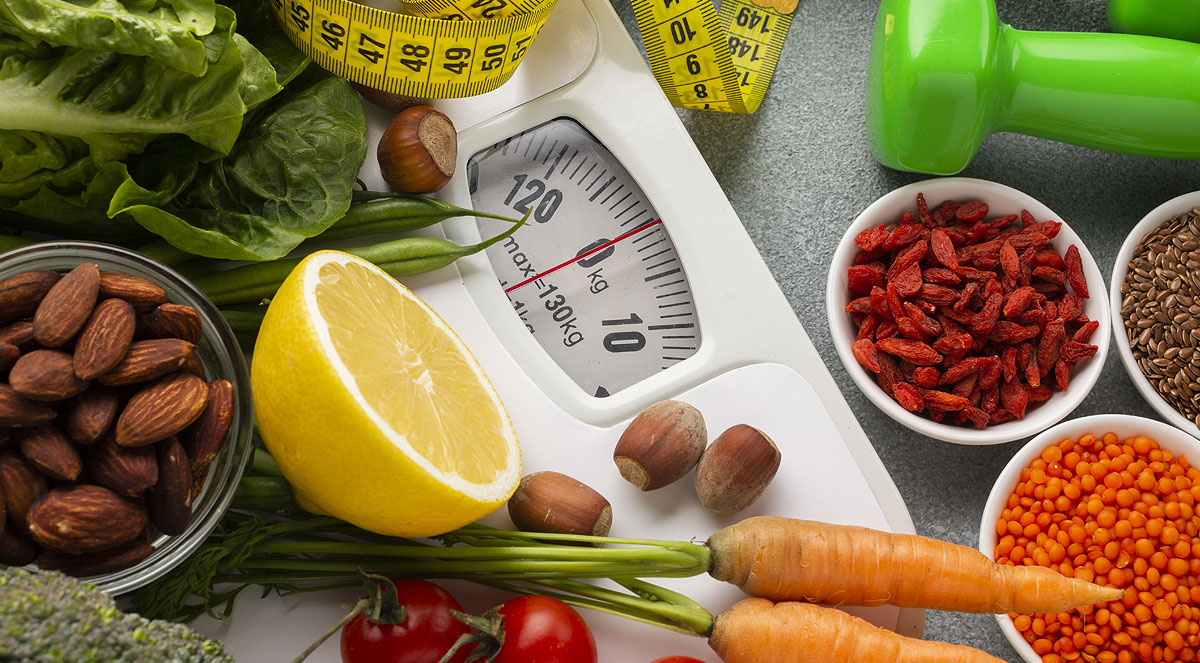
When it comes to losing weight, there is no single diet that works perfectly for everyone. The best weight loss diet is usually one that fits your lifestyle, food preferences, health needs, and daily routine — and, most importantly, one you can follow consistently over time.
Some eating patterns have been widely studied for weight management and overall health. However, successful weight loss generally comes down to creating a sustainable calorie deficit while eating nutritious foods and maintaining healthy habits.
Here are some of the most popular approaches to weight loss.
Mediterranean Diet
The Mediterranean diet is often considered one of the most balanced approaches to healthy eating. It focuses primarily on whole and minimally processed foods, including vegetables, fruits, whole grains, beans, fish, nuts, seeds, and olive oil.
Rather than strictly eliminating certain food groups, the Mediterranean approach emphasizes food quality and balanced meals. It also tends to be relatively flexible, making it easier for many people to follow long term.
For weight loss, portion sizes and overall calorie intake still matter. But choosing filling foods that are rich in fiber, protein, and healthy fats may make it easier to manage hunger and maintain healthy eating habits.
Low-Carb Diets
Low-carbohydrate diets, including approaches such as Atkins and ketogenic diets, reduce the amount of carbohydrates consumed while emphasizing foods such as protein, vegetables, eggs, fish, meat, nuts, and fats.
Some people find low-carb eating effective for weight loss because it can reduce their overall calorie intake and help them feel fuller between meals. Low-carb diets can also lead to relatively rapid changes in body weight at first, partly because reducing carbohydrates affects the body’s stored water.
However, very low-carb diets can be restrictive and may not suit everyone. The quality of the foods you choose is still important, and reducing carbohydrates does not automatically make a diet healthy.
Paleo Diet
The Paleo diet focuses on foods that resemble those thought to have been eaten by early humans. Typical choices include vegetables, fruits, lean meats, fish, eggs, nuts, and seeds.

The approach generally avoids processed foods as well as grains, legumes, and dairy products.
Because the Paleo diet emphasizes whole foods and limits many highly processed foods, some people may find it easier to reduce unnecessary calories while following it. However, eliminating entire food groups isn’t necessary for everyone to lose weight, and the diet can be restrictive.
Intermittent Fasting
Unlike traditional diets, intermittent fasting focuses more on when you eat rather than exactly which foods you consume.
One popular approach is the 16:8 method, in which a person fasts for approximately 16 hours and eats during an 8-hour window. Other approaches involve fasting on certain days or significantly reducing calorie intake on specific days.
Intermittent fasting may help some people lose weight because having a defined eating window can naturally reduce the number of calories they consume. However, it isn’t necessarily more effective than other approaches when calorie intake is similar.
It may also be difficult for some people to maintain, particularly if fasting leads to excessive hunger or overeating later.
So, What Is the Best Diet for Weight Loss?
The best weight loss diet isn’t necessarily the one with the strictest rules or the fastest initial results. It’s the one that helps you eat nutritious foods, manage your overall calorie intake, and maintain healthy habits without feeling impossible to follow.
For one person, that might mean following a Mediterranean-style diet. Someone else may prefer a lower-carb approach, while another person may find that intermittent fasting fits better with their schedule.
A sustainable weight loss plan should generally include plenty of vegetables and fruits, adequate protein, high-fiber foods, healthy fats, and mostly minimally processed foods. Regular physical activity, sufficient sleep, and good stress management can also support long-term weight management.
Before making major changes to your diet, especially if you have a medical condition or take medication, it’s a good idea to speak with a qualified healthcare professional.
The bottom line: There is no universally perfect weight loss diet. Finding an approach that is nutritious, realistic, enjoyable, and sustainable is often more important than choosing the latest popular diet.