

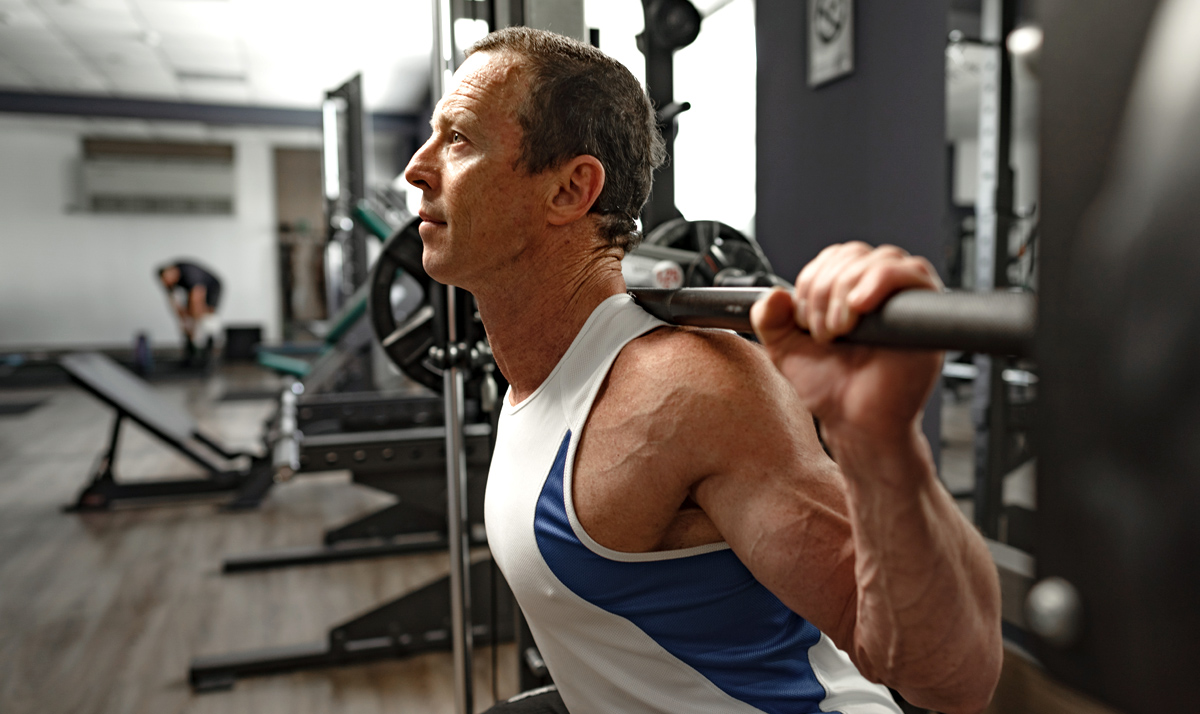
For years, strength training was mostly associated with bodybuilders, athletes, or younger people chasing aesthetics. But that’s changing fast.
Today, more adults over 40 are lifting weights, using resistance bands, and following strength-based workout programs than ever before. And unlike older fitness trends that focused mainly on weight loss, the new focus is longevity, mobility, energy, and staying healthy as the body ages.
In fact, many health experts now consider strength training one of the most important habits for healthy aging. Research continues to show that building and maintaining muscle after 40 can improve everything from metabolism and bone health to balance, confidence, and even lifespan.
So why are so many people over 40 suddenly prioritizing strength training?
The answer goes far beyond appearance.
Muscle Loss Starts Earlier Than Most People Think
One of the biggest reasons people begin strength training after 40 is that the body naturally starts losing muscle mass with age.
This process, known as sarcopenia, can begin as early as your 30s. Experts estimate adults can lose between 3% and 8% of muscle mass per decade if they remain inactive.
That loss of muscle affects much more than physical strength.
It can slow metabolism, reduce energy levels, affect balance, increase injury risk, and make everyday activities harder over time.
This is why many people are now turning to strength training not just for fitness, but for maintaining independence and quality of life as they age.

Strength Training Helps Boost Metabolism
A slower metabolism is one of the most common frustrations people experience after 40.
As muscle mass decreases, the body naturally burns fewer calories at rest. This is one reason weight gain becomes more common with age.
Strength training helps counteract this process by building lean muscle tissue. Since muscle burns more calories than fat, increasing muscle mass can help support a healthier metabolism over time.
This is also why many people now prefer weight training over endless cardio sessions for sustainable fat loss.
Instead of simply burning calories during exercise, strength training helps the body become more metabolically active throughout the day.
Bone Health Becomes More Important After 40
Another major reason strength training is growing in popularity is bone health.
As people age, bone density naturally declines, especially in women after menopause. This increases the risk of osteoporosis and fractures later in life.
Resistance exercises place healthy stress on the bones, which helps stimulate bone growth and maintain bone strength.
This is one reason doctors and fitness professionals increasingly recommend strength training for adults over 40.
Strong muscles help support strong bones.
People Want to Stay Mobile and Independent Longer
Modern fitness trends are shifting away from aesthetics alone.
Today, more people are asking questions like:
- “How can I stay active as I age?”
- “How can I prevent injuries?”
- “How can I maintain energy and mobility?”
Strength training directly supports those goals.
Building strength improves posture, coordination, balance, and joint stability. It also makes daily activities easier — from carrying groceries to climbing stairs and getting up from the floor.
Many adults over 40 are realizing that strength is deeply connected to long-term independence and overall health.
Strength Training Supports Mental Health Too
The benefits are not only physical.
Regular resistance training has also been linked to better mental health, improved mood, reduced stress, and increased confidence.
For many people over 40, fitness becomes less about chasing unrealistic body standards and more about feeling strong, capable, and energized.
That mindset shift is a huge reason strength training is becoming more mainstream among older adults.
Social Media Changed the Conversation Around Aging
Social media has also played a major role in the rise of strength training over 40.
Platforms like YouTube, Instagram, and TikTok are filled with trainers, wellness experts, and everyday people sharing realistic fitness journeys focused on healthy aging instead of extreme transformations.
More adults are now seeing examples of people in their 40s, 50s, 60s, and beyond becoming stronger and healthier through resistance training.
That visibility has helped break the outdated myth that lifting weights is only for younger people.
In fact, research now suggests it’s never too late to build muscle and improve strength.
Recovery and Longevity Matter More Than Intensity
One interesting trend among adults over 40 is the focus on smarter training instead of harder training.
Many people are moving away from punishing workout routines and embracing more balanced approaches that prioritize:
- proper recovery
- mobility
- sleep
- flexibility
- joint health
- sustainable progress
This is why low-impact strength training, resistance bands, bodyweight workouts, and moderate lifting programs have become increasingly popular.
As many fitness communities online now point out, recovery matters more with age — but that doesn’t mean people should stop training.
Strength Training May Support Longevity
One of the most fascinating discoveries from recent research is the connection between muscle strength and longevity.
Studies increasingly show that maintaining muscle mass and strength later in life is strongly associated with better health outcomes and lower mortality risk.
This has shifted the wellness conversation dramatically.
Instead of focusing only on losing weight, many experts now emphasize maintaining strength as one of the most important factors for healthy aging.
That’s one reason strength training has become such a major wellness trend in recent years.
How to Start Strength Training After 40
The good news is you do not need extreme workouts to benefit from strength training.
Many beginners start with:
- bodyweight exercises
- resistance bands
- light dumbbells
- machines at the gym
- short full-body workouts
Consistency matters far more than intensity in the beginning.
Experts often recommend starting with two or three strength workouts per week while focusing on proper form and gradual progress.
Walking, mobility exercises, stretching, and adequate recovery can also help support a balanced fitness routine.
Final Thoughts
The growing popularity of strength training over 40 is not just another fitness trend.
People are becoming more aware that building strength affects nearly every aspect of health — from metabolism and bone density to energy, mobility, confidence, and longevity.
More importantly, many adults are realizing that aging does not automatically mean becoming weaker.
With the right approach, strength training can help people stay active, capable, and healthy for decades to come.
And perhaps the biggest reason more people over 40 are starting strength training is simple: they want to feel better, move better, and live better for the long term.