
Summer brings longer days, outdoor activities, vacations, and plenty of sunshine. But spending too much time in hot weather can put your health and your skin at risk.
High temperatures can lead to dehydration, heat exhaustion, and potentially life-threatening heat stroke. At the same time, excessive exposure to ultraviolet (UV) radiation can cause sunburn, premature skin aging, and increase the risk of skin cancer.
The good news is that many heat- and sun-related problems are preventable. A few simple habits — such as drinking water regularly, staying in the shade, wearing protective clothing, and applying sunscreen — can help you enjoy warm weather more safely.
Here’s how to avoid heat stroke and protect your skin from the sun.
What Is Heat Stroke?
Heat stroke is the most serious form of heat-related illness. It happens when the body’s ability to regulate its temperature is overwhelmed, causing body temperature to rise dangerously high.
Unlike ordinary overheating, heat stroke is a medical emergency and requires immediate medical attention. Symptoms can include confusion, altered mental status, fainting, very hot skin, and in severe cases, seizures or unconsciousness.
If you suspect that someone has heat stroke, don’t simply tell them to rest and drink some water. Seek emergency medical help immediately and begin cooling the person while waiting for help. Rapid treatment is important because heat stroke can cause serious complications.
1. Drink Water Regularly
One of the simplest ways to help your body cope with hot weather is to stay hydrated.
When you’re sweating, your body loses fluid. Hot weather, physical activity, and spending extended periods outdoors can increase your need for fluids.
Don’t wait until you’re extremely thirsty before drinking. Keep water available and drink regularly throughout the day.

If you’re exercising or working outdoors in hot conditions, pay particular attention to hydration and take regular breaks in a cooler environment.
It’s also worth remembering that individual fluid needs vary depending on factors such as activity level, weather, body size, and health.
2. Avoid the Hottest Part of the Day
Planning your outdoor activities around the heat can make a significant difference.
During periods of extreme heat, try to avoid strenuous exercise and prolonged outdoor exposure during the hottest part of the day. If you need to exercise outdoors, consider doing it earlier in the morning or later in the evening when temperatures are lower.
If you start feeling unusually weak, dizzy, nauseated, or unwell, don’t try to push through it. Move somewhere cooler and take the symptoms seriously.
3. Stay in the Shade
Shade provides an easy way to reduce your direct exposure to both heat and UV radiation.
When you’re outdoors, look for trees, umbrellas, covered patios, or other shaded areas. At the beach or pool, bring an umbrella or other form of shade rather than spending the entire day in direct sunlight.
Remember that shade doesn’t eliminate UV exposure completely, so you should still combine it with clothing and sunscreen.
4. Wear Lightweight, Protective Clothing
What you wear can help protect your skin while also making it easier for your body to stay cool.
Choose lightweight, loose-fitting clothing when temperatures are high. When possible, cover exposed skin with long sleeves and lightweight pants made from suitable fabrics.
For additional sun protection, look for clothing labeled with a UPF (Ultraviolet Protection Factor) rating.
A wide-brimmed hat can also provide additional protection for your face, ears, neck, and scalp. Sunglasses that provide UV protection can help protect your eyes and the surrounding area.
5. Use Sunscreen Every Day
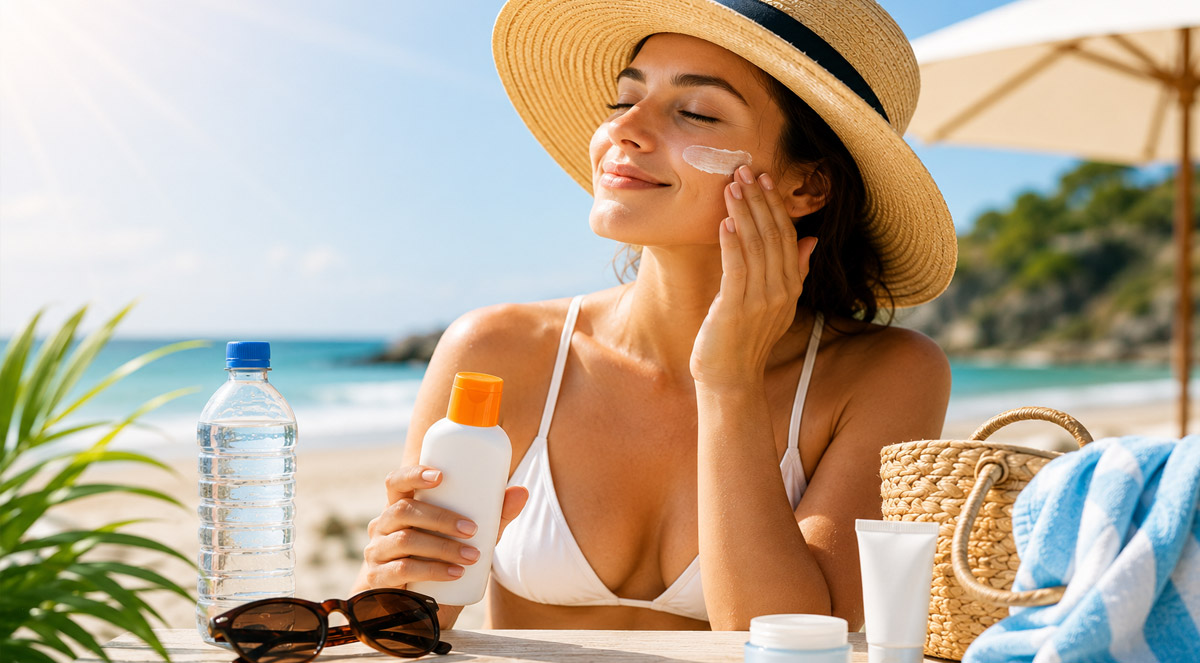
Sunscreen is one of the most important tools for protecting exposed skin from UV radiation.
The American Academy of Dermatology recommends choosing a sunscreen that is:
- Broad-spectrum, protecting against UVA and UVB rays
- SPF 30 or higher
- Water-resistant
Apply sunscreen to exposed skin before going outdoors. Don’t forget areas that are easy to overlook, including your ears, neck, hands, tops of your feet, and lips when appropriate.
Sunscreen also needs to be reapplied. If you’re swimming, sweating, or spending an extended period outdoors, follow the product’s directions for reapplication.
6. Don’t Rely on Sunscreen Alone
One common mistake is thinking that sunscreen gives you permission to stay in direct sunlight indefinitely.
It doesn’t.
The best sun protection combines several strategies: shade, protective clothing, a wide-brimmed hat, UV-protective sunglasses, and sunscreen on exposed skin.
Think of sunscreen as one part of your overall sun-protection routine rather than your only defense.
7. Protect Your Skin From Premature Aging
Sun protection isn’t only about avoiding painful sunburn.
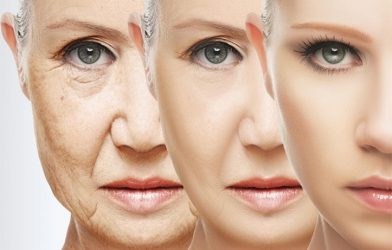
Repeated exposure to UV radiation can contribute to visible signs of premature skin aging, including wrinkles, age spots, and loss of skin elasticity. Protecting your skin from excessive UV exposure can therefore be an important part of a long-term skincare routine.
This is particularly relevant if you’re already trying to maintain healthy, youthful-looking skin. Your daily sun-protection habits can matter just as much as the skincare products you apply.
8. Take Breaks From the Heat
If you’re spending several hours outdoors, don’t stay in the heat continuously.
Take regular breaks somewhere cool or shaded. If possible, spend part of the hottest period of the day in an air-conditioned or otherwise cool indoor environment.
This is especially important during heat waves, when high temperatures can remain dangerous for extended periods.
People who spend a lot of time outdoors for work or exercise should be particularly careful about scheduling breaks and staying hydrated.
9. Choose Cooler Activities During Heat Waves
You don’t have to cancel your entire summer just because it’s hot. Instead, adjust your activities.
On extremely hot days, consider indoor activities, swimming in a safe and supervised environment, relaxing in a shaded area, or taking a walk during a cooler part of the day.
Avoid strenuous physical activity when temperatures are dangerously high, especially if you’re not accustomed to the heat.
10. Never Leave Children or Pets in a Parked Car
A parked vehicle can become dangerously hot very quickly, even when the outside temperature doesn’t seem extreme.
Never leave children, dependent adults, or pets alone in a parked vehicle. This applies even if the windows are cracked open or you’re only planning to be away for a short time.
This is one summer safety rule that should never be compromised.
11. Know the Warning Signs of Heat Exhaustion
Heat exhaustion can occur before heat stroke and should be taken seriously.
Possible symptoms include:
- Heavy sweating
- Weakness or unusual tiredness
- Headache
- Dizziness
- Nausea
- Muscle cramps
- Feeling faint
- Extreme thirst
If you begin feeling unwell in hot conditions, stop your activity and move to a cooler place. Drink fluids if you’re able to do so normally and take steps to cool your body.
If symptoms become severe, persist, or you develop confusion, fainting, seizures, or loss of consciousness, seek emergency medical care immediately.
12. Know the Signs of Heat Stroke
Heat stroke is more serious than heat exhaustion.
Warning signs can include:
Confusion or unusual behavior: A person may become disoriented, confused, or unable to respond normally.
Fainting or loss of consciousness: This requires immediate medical attention.
Very hot skin: The person may have extremely hot skin and may stop sweating, although sweating can still occur in some cases.
Seizures: Seizures can occur in severe heat stroke.
Severe weakness or altered mental state: Any significant change in mental function during extreme heat should be treated seriously.
If heat stroke is suspected, call emergency medical services immediately and begin cooling the person while waiting for help. Do not delay emergency care to see whether the symptoms improve.
Who Is More Vulnerable to Extreme Heat?
Heat can affect anyone, but some people are more vulnerable to heat-related illness.
This includes older adults, infants and young children, people who work outdoors, and people with certain existing health conditions. Some medications and chronic conditions can also increase vulnerability during periods of extreme heat.
During a heat wave, check on older relatives, neighbors, friends, or anyone who may have difficulty keeping cool.
What About Cloudy Days?
Don’t assume that clouds completely protect you from UV radiation.
Even when the weather doesn’t feel particularly hot or sunny, UV exposure can still affect your skin. That’s why sun protection should be part of your routine whenever you’re spending significant time outdoors.
Shade, protective clothing, and broad-spectrum sunscreen remain useful even when the sun doesn’t feel intense.
A Simple Summer Sun-Safety Routine
You don’t need a complicated system to protect yourself.
Before going outdoors, check the weather and heat conditions. If temperatures are very high, consider changing your plans or moving activities to a cooler time of day.
Wear lightweight clothing, a wide-brimmed hat, and UV-protective sunglasses. Apply a broad-spectrum, water-resistant sunscreen with SPF 30 or higher to exposed skin.
Take water with you, stay in the shade whenever possible, and take regular breaks from the heat.
And most importantly, listen to your body. If you feel dizzy, weak, nauseated, confused, or unusually unwell, get out of the heat rather than trying to continue your activity.
Final Thoughts
Learning how to avoid heat stroke and protect your skin from the sun doesn’t require complicated changes.
The most effective approach is to combine several simple habits: drink water regularly, avoid prolonged exposure during the hottest part of the day, stay in the shade, wear lightweight protective clothing, use a wide-brimmed hat and UV-protective sunglasses, and apply broad-spectrum SPF 30+ sunscreen to exposed skin.
These habits can help you reduce your risk of heat-related illness while also protecting your skin from sunburn, premature aging, and harmful UV exposure.
Summer should be a time to enjoy the outdoors — but staying cool, hydrated, and sun-safe makes those experiences much healthier.
Frequently Asked Questions
How can I prevent heat stroke in hot weather?
Stay hydrated, avoid strenuous activity during the hottest part of the day, take regular breaks in cool or shaded places, wear lightweight clothing, and avoid prolonged exposure to extreme heat. Never leave children or pets in parked vehicles.
What is the best way to protect your skin from the sun?
Use a combination of shade, protective clothing, a wide-brimmed hat, UV-protective sunglasses, and broad-spectrum, water-resistant sunscreen with SPF 30 or higher.
How often should I reapply sunscreen?
Follow the instructions on your sunscreen, and reapply after swimming or heavy sweating. Sunscreen can wear off during outdoor activities, so regular reapplication is important.
Can sunscreen prevent premature skin aging?
Sun protection can help reduce UV-related premature skin aging. Broad-spectrum sunscreen, shade, and protective clothing can help reduce exposure to the UV radiation that contributes to wrinkles, age spots, and other visible signs of photoaging.
What should I do if I think someone has heat stroke?
Heat stroke is a medical emergency. Seek emergency medical help immediately and begin cooling the person while waiting for professional assistance. Do not delay medical care.
Is it safe to exercise outside during a heat wave?
It’s safer to avoid strenuous outdoor exercise during the hottest part of the day. If you exercise outdoors, choose a cooler time, stay hydrated, take frequent breaks, and stop if you begin feeling unwell.