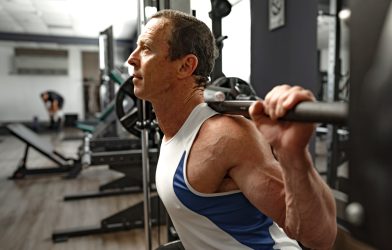

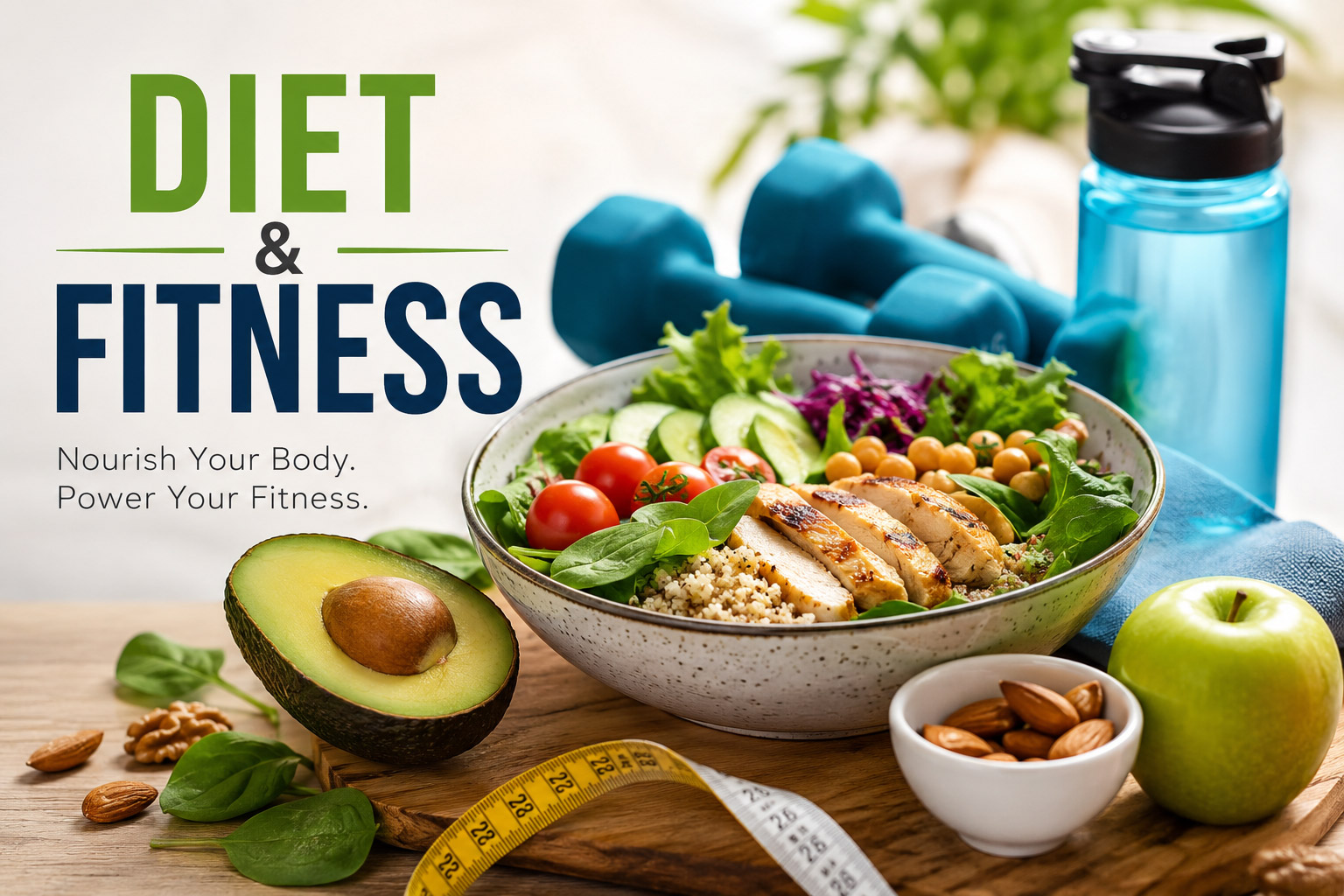
Staying fit is about much more than spending hours at the gym. Regular exercise is certainly an important part of a healthy lifestyle, but what you eat can have an equally significant impact on your energy, body composition, recovery, and overall well-being.
Whether your goal is to lose weight, build muscle, improve athletic performance, or simply feel healthier, diet and fitness should work together. Exercise challenges your body, while good nutrition provides the fuel and nutrients it needs to perform, recover, and adapt.
Why Diet Matters for Fitness
It is easy to focus entirely on workouts when trying to improve your fitness. However, even the most consistent exercise routine can be difficult to sustain without proper nutrition.
Food provides the body with energy and essential nutrients. Protein helps repair and maintain muscles, carbohydrates provide readily available energy, and dietary fats support hormone production, brain health, and the absorption of certain vitamins.
A balanced diet can also support recovery after exercise. When you provide your body with adequate protein, carbohydrates, fluids, vitamins, and minerals, you give it the resources it needs to recover from physical activity.
This is why diet and fitness should not be viewed simply as a weight-loss strategy. Nutrition is an important part of building a stronger and healthier body.
Carbohydrates and Fitness
Carbohydrates are sometimes given a bad reputation, particularly in popular weight-loss diets. However, carbohydrates can be an important source of energy, especially for people who exercise regularly.
During physical activity, the body can use stored glycogen, which is the form in which carbohydrates are stored in the muscles and liver. Higher-intensity activities can rely heavily on this readily available fuel.

Whole-food carbohydrate sources such as oats, brown rice, potatoes, beans, fruit, and whole grains can provide energy along with fiber, vitamins, and minerals.
The amount of carbohydrate a person needs depends on factors such as activity level, fitness goals, body size, and overall diet. Someone training several times a week intensely may need considerably more carbohydrates than someone who has a mostly sedentary lifestyle.
The Role of Dietary Fat
Fat is another essential component of a healthy diet. Although it contains more calories per gram than carbohydrates or protein, that does not make all dietary fat unhealthy.
Healthy sources of fat include nuts, seeds, avocados, olive oil, and fatty fish. These foods can provide essential fatty acids and other valuable nutrients.
Dietary fat also helps the body absorb fat-soluble vitamins such as vitamins A, D, E, and K. It can contribute to feelings of fullness as well, which may make a balanced eating pattern easier to maintain.
Rather than eliminating fat completely, it is generally more useful to focus on the quality and quantity of the fats in your diet.
Protein and Muscle Recovery
Protein deserves special attention when discussing diet and fitness, particularly for people who participate in strength training or other forms of resistance exercise.
Exercise creates a stimulus for the muscles, while adequate protein provides amino acids that the body uses to repair and maintain muscle tissue.
Good protein sources include eggs, fish, poultry, lean meat, Greek yogurt, cottage cheese, beans, lentils, tofu, and other plant-based foods.
Protein needs vary from person to person. Factors such as body weight, age, activity level, and fitness goals can all influence how much protein is appropriate.
What Is the Best Diet for Fitness?
There is no single diet that works perfectly for everyone.
A diet that helps one person lose weight and feel energetic may be difficult for someone else to follow. Food preferences, cultural habits, lifestyle, budget, activity level, and individual goals all influence whether a particular eating pattern is sustainable.
This is why the best fitness diet is often not the most restrictive one. Instead, it is an eating pattern that provides adequate nutrition while being realistic enough to maintain over time.
Some people may prefer a higher-carbohydrate approach because they perform endurance or high-intensity exercise. Others may feel more comfortable with a lower-carbohydrate eating pattern. What matters most is that the overall diet remains nutritionally balanced and supports the person’s goals.
Balance, Moderation, and Variety
Healthy eating does not mean eating the same foods every day or completely eliminating the foods you enjoy.
A balanced approach allows room for variety. Vegetables, fruits, whole grains, protein-rich foods, healthy fats, and other nutrient-dense foods can all have a place in a healthy eating pattern.
Moderation is also important. A favorite dessert or occasional less-nutritious meal does not automatically ruin an otherwise healthy diet.
Instead of searching for a perfect diet, focus on building habits that you can realistically maintain. Eating nutritious foods most of the time while allowing flexibility can make healthy eating much more sustainable.
Diet and Exercise Work Best Together
Nutrition and exercise serve different but complementary purposes.
Exercise can help improve cardiovascular fitness, strength, mobility, endurance, and body composition. Nutrition provides the energy and nutrients needed to support those activities and maintain normal body functions.
For someone trying to lose body fat, combining regular physical activity with an appropriate eating pattern can be particularly useful. However, weight management is influenced by many factors, including food intake, physical activity, sleep, stress, genetics, and lifestyle.
The goal should not simply be to achieve a particular appearance. Building a healthy relationship with food and exercise can help create habits that support health for years to come.
Creating a Fitness Diet That Works for You
Instead of following every new diet trend, start by considering your own needs and goals.
If you want to build muscle, you may need to pay particular attention to adequate protein, total calorie intake, and resistance training. If you participate in endurance sports, carbohydrates may play a larger role in fueling your workouts. If weight loss is your goal, creating sustainable eating habits and maintaining an appropriate calorie intake may be more important than following a specific named diet.
Small changes can make a meaningful difference. Adding more vegetables to meals, choosing whole grains more often, eating adequate protein, drinking enough water, and reducing highly processed foods are practical steps for many people.
Most importantly, give yourself room to experiment. Healthy eating does not have to be boring. Trying new vegetables, fruits, grains, legumes, herbs, and recipes can make a nutritious diet more enjoyable.
The Bottom Line
Diet fitness is not about choosing between carbohydrates and fats, following an extreme eating plan, or trying to achieve a magazine-cover physique. It is about giving your body the nutrition it needs while supporting your individual fitness goals.
A healthy diet should provide a variety of nutrient-dense foods, adequate protein, carbohydrates and healthy fats, and enough energy to support your lifestyle. Combined with regular physical activity, good sleep, and sustainable habits, balanced nutrition can help you become fitter, stronger, and healthier.
There is no universally perfect diet. The best approach is one that meets your nutritional needs, fits your lifestyle, supports your goals, and is realistic enough to maintain over the long term.