

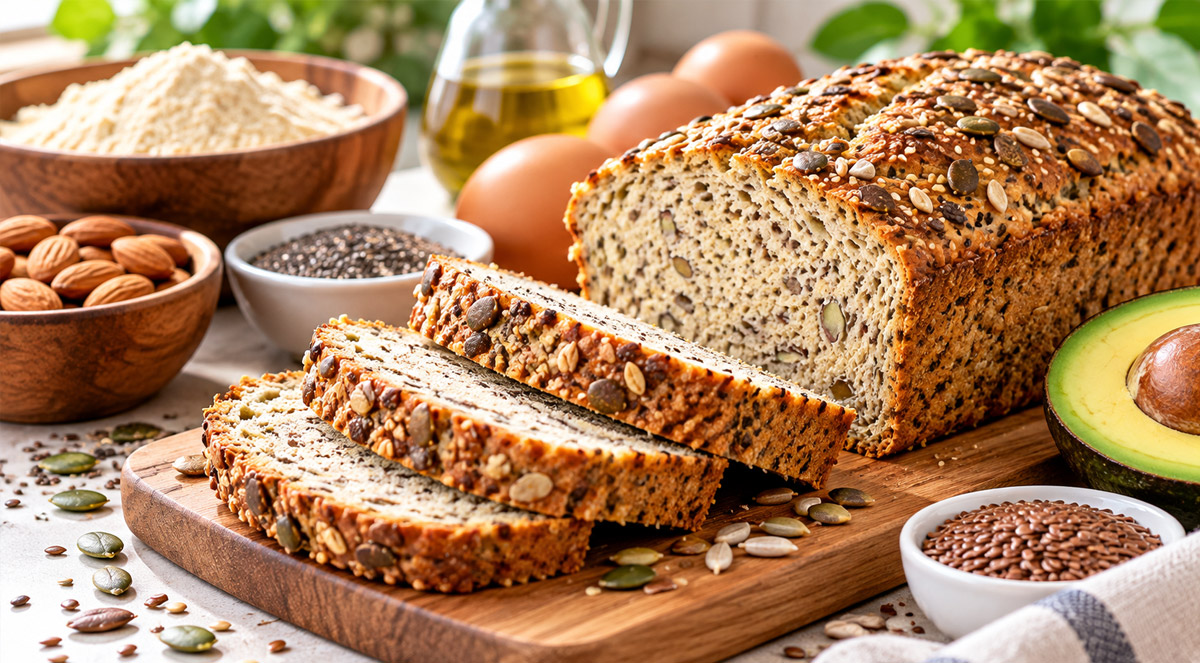
Bread is one of the world’s most popular foods, but for people following a ketogenic diet or trying to reduce their carbohydrate intake, traditional bread can be difficult to fit into their daily meals. That’s where keto bread comes in.
Made with alternatives such as almond flour, coconut flour, eggs, seeds, and psyllium husk, keto bread offers a way to enjoy sandwiches, toast, and other bread-based meals while keeping carbohydrate intake relatively low.
Some people even call it the world’s healthiest bread. But is keto bread really healthier than traditional bread, and can it support weight loss and better overall health?
The answer depends on the ingredients, how the bread is prepared, and your individual nutritional needs. Let’s explore what makes keto bread different, its potential benefits, its drawbacks, and how you can make a delicious homemade loaf.
What Is Keto Bread?
Keto bread is a low-carbohydrate alternative to conventional bread. It is designed to contain fewer digestible carbohydrates, making it easier for people following a ketogenic diet to stay within their daily carbohydrate limit.
Traditional bread is usually made with wheat flour, which contains starch and therefore provides a substantial amount of carbohydrates. Keto bread replaces some or all of that flour with ingredients that generally contain fewer digestible carbohydrates.
Common ingredients include:
Almond flour: Made from ground almonds, this flour provides healthy unsaturated fats, protein, and vitamin E. It also contributes a soft texture and slightly nutty flavor.
Coconut flour: This flour is rich in fiber and absorbs considerable moisture, so recipes usually require more liquid or eggs when using it.
Eggs: Eggs provide protein, help bind the ingredients together, and contribute to the bread’s structure.

Psyllium husk: This fiber-rich ingredient helps create a more bread-like texture and improves flexibility in many low-carbohydrate recipes.
Seeds and nuts: Chia seeds, flaxseeds, sunflower seeds, and other seeds can add fiber, healthy fats, minerals, and texture.
Baking powder: This helps the loaf rise and prevents it from becoming too dense.
The exact nutritional profile varies considerably between recipes and commercial products. Some keto breads are rich in fiber and protein, while others contain substantial amounts of saturated fat, sodium, or added ingredients.
Why Has Keto Bread Become So Popular?
Interest in keto bread has grown alongside the popularity of low-carbohydrate and ketogenic diets.
A ketogenic diet typically involves significantly reducing carbohydrate intake and increasing the proportion of energy obtained from fat. This encourages the body to produce ketones and rely more heavily on fat metabolism.
For people following this eating pattern, conventional bread can use up a large portion of their daily carbohydrate allowance. Keto bread offers an alternative that may fit more easily into their meal plans.
However, keto bread is not exclusively for people following a strict ketogenic diet. Some individuals use it to experiment with different ingredients, increase their fiber intake, or reduce the carbohydrate content of particular meals.
It is important to remember that a low-carbohydrate food is not automatically healthier than a higher-carbohydrate alternative. Whole-grain bread, for example, can provide valuable fiber, vitamins, minerals, and other beneficial compounds.
The best choice depends on your overall diet, health goals, and personal preferences.
Potential Health Benefits of Keto Bread
When made with nutritious ingredients, keto bread can offer several potential advantages.
1. Lower Carbohydrate Content
One of the main benefits of keto bread is its relatively low carbohydrate content.
Replacing wheat flour with almond flour, coconut flour, and other low-carbohydrate ingredients can substantially reduce the amount of digestible carbohydrate in a slice.
This can be particularly useful for people following a ketogenic diet or who need to monitor carbohydrate intake as part of an individualized nutrition plan.
However, carbohydrate content varies by recipe and brand. Always check the nutrition label rather than assuming every product marketed as keto contains the same amount.
2. A Source of Dietary Fiber
Many keto bread recipes use ingredients such as flaxseed, chia seeds, almond flour, and psyllium husk.
These ingredients can contribute dietary fiber, which supports normal digestion and helps maintain bowel regularity. Certain types of fiber can also support a healthy gut microbiome.
Some high-fiber keto breads may help you feel satisfied after a meal, although this effect depends on the complete recipe and portion size.
When purchasing commercial keto bread, look at both the total carbohydrate and fiber amounts. A product can be low in digestible carbohydrates while still varying considerably in its overall nutritional quality.
3. Healthy Fats
Almond flour and many seeds contain unsaturated fats, which can be part of a balanced diet.
Replacing some refined carbohydrates with foods rich in unsaturated fats may be beneficial for cardiovascular health, depending on the overall dietary pattern.
Nevertheless, not all keto bread has the same fat profile. Recipes containing large amounts of butter, coconut oil, or other sources of saturated fat may have a different nutritional impact.
For a more balanced option, consider recipes that use nuts and seeds as major ingredients rather than relying heavily on butter or other saturated fats.
4. Some Additional Protein
Eggs, nuts, and seeds contribute protein to many keto bread recipes.
Protein is essential for maintaining muscles, repairing tissues, and supporting numerous bodily functions. It can also contribute to feelings of fullness when included as part of a balanced meal.
However, keto bread is not necessarily a high-protein food. The amount depends on the ingredients and serving size, so check the nutritional information if protein intake is one of your priorities.
5. A Useful Alternative for Certain Dietary Needs
People who want to reduce their carbohydrate intake may find keto bread helpful for preparing sandwiches, toast, and other familiar meals.
Some recipes are also naturally gluten-free when made with ingredients such as almond flour, coconut flour, eggs, and psyllium husk.
However, not every keto bread is gluten-free. Some commercial products contain wheat-based ingredients, and cross-contamination can be an issue for people with celiac disease.
If you need to avoid gluten for medical reasons, choose products with appropriate labeling and check the ingredient list carefully.
Is Keto Bread Good for Weight Loss?
Keto bread can fit into a weight-loss plan, but it does not automatically cause weight loss.
Body weight is influenced by many factors, including overall energy intake, physical activity, sleep, medications, and individual health conditions. Even when following a ketogenic diet, sustained weight loss generally requires an eating pattern that supports an appropriate energy balance.
Keto bread may help some people manage their food choices by providing a lower-carbohydrate alternative to conventional bread. Its fiber, protein, and fat content may also contribute to satisfaction after eating.
However, some keto breads are calorie-dense because they contain substantial amounts of nuts, seeds, oils, or other high-fat ingredients.
This means a slice of keto bread can contain as many calories as, or even more calories than, a slice of ordinary bread.
If your goal is weight loss, pay attention to portion sizes and the nutritional value of the complete meal. Pairing bread with vegetables, an appropriate protein source, and other nutrient-rich foods can help create a more balanced meal.
Ultimately, the best bread for weight management is one that fits your nutritional needs and helps you maintain healthy eating habits over time.
Keto Bread vs. Traditional Whole-Grain Bread
Is keto bread always a better choice than conventional bread? Not necessarily.
The two options have different nutritional characteristics, and comparing them can help you choose the one that best suits your needs.
Carbohydrates: Keto bread generally contains fewer digestible carbohydrates, while whole-grain bread provides more carbohydrates from grain-based ingredients.
Fiber: Both can provide fiber. Whole-grain bread supplies fiber from whole grains, while keto bread may obtain much of its fiber from seeds, nuts, or added fiber ingredients.
Protein: Keto bread made with eggs, nuts, or seeds may contain more protein than some conventional breads, although this varies by product.
Fats: Keto bread is often higher in fat, particularly when it contains almond flour, seeds, or added oils. Whole-grain bread is generally lower in fat.
Vitamins and minerals: Whole-grain bread can provide B vitamins, iron, magnesium, and other nutrients. Keto bread may provide vitamin E, magnesium, and other nutrients from nuts and seeds, but its nutritional value depends on its ingredients.
Calories: Neither option is automatically lower in calories. The recipe, serving size, and added ingredients make a difference.
For many people, whole-grain bread remains a nutritious choice. For those following a ketogenic diet or managing carbohydrate intake for specific reasons, keto bread may be more appropriate.
There is no universal winner. The healthiest option depends on the person and the overall quality of their diet.
How to Make Homemade Keto Bread
One advantage of homemade keto bread is that you can control the ingredients and adjust the recipe to suit your preferences.
This simple almond flour recipe produces a soft, savory loaf that works well for toast and sandwiches.
Ingredients
- 2 cups almond flour
- 4 large eggs
- 2 tablespoons psyllium husk powder
- 2 tablespoons olive oil
- 1 teaspoon baking powder
- 1/4 teaspoon salt
- 1/4 cup warm water, adding gradually as needed
Instructions
Step 1: Preheat the oven.
Preheat your oven to 180°C (350°F). Line a small loaf pan with parchment paper or lightly grease it.
Step 2: Combine the dry ingredients.
In a mixing bowl, combine the almond flour, psyllium husk powder, baking powder, and salt. Mix thoroughly to distribute the ingredients evenly.
Step 3: Add the wet ingredients.
Beat the eggs in a separate bowl, then add the olive oil and gradually mix in the warm water.
Pour the wet mixture into the dry ingredients and stir until a thick dough forms. Allow it to rest for several minutes so the psyllium can absorb moisture.
Step 4: Shape the loaf.
Transfer the mixture to the prepared loaf pan and smooth the surface with a spoon or spatula.
Step 5: Bake.
Bake for approximately 35–50 minutes, depending on the size and shape of the pan. The loaf should be firm and cooked through in the center.
Step 6: Cool before slicing.
Allow the bread to cool completely before removing it from the pan and slicing. Cooling helps the crumb set and makes the bread easier to cut.
Tips for Better Keto Bread
For additional texture, you can add a small amount of sunflower seeds, sesame seeds, or ground flaxseed.
If the loaf is too dry, the next batch may benefit from a little more moisture. If it is too dense or wet in the middle, check the ingredient measurements and allow more baking time.
Psyllium products vary, so you may need to adjust the liquid slightly. Use finely ground psyllium husk powder appropriate for baking, as different forms can produce different results.
Because this recipe contains eggs and almond flour, it is not suitable for people with egg or almond allergies. Anyone with a nut allergy should choose a different recipe using ingredients they can safely tolerate.
For storage, keep the cooled loaf in an airtight container in the refrigerator for several days, or freeze individual slices for convenient use later. Follow appropriate food-safety practices and discard the bread if you notice mold or spoilage.
Are There Any Downsides to Keto Bread?
Although keto bread can be useful for certain diets, it is not perfect for everyone.
It Can Be Calorie-Dense
Almond flour, seeds, and oils provide valuable nutrients, but they also contain considerable energy in relatively small portions.
If you are monitoring calorie intake, remember that a low-carbohydrate label does not mean you can eat unlimited quantities without affecting your overall energy intake.
Some Products Contain a Lot of Sodium
Commercial keto breads may use salt, preservatives, or other ingredients that contribute to their sodium content.
If you need to limit sodium because of a medical condition, compare product labels and consider making bread at home with an appropriate amount of salt.
Added Fiber Can Cause Digestive Discomfort
Some low-carbohydrate breads contain large quantities of added fiber, including psyllium or other fiber ingredients.
Increasing fiber intake suddenly may cause bloating, gas, or abdominal discomfort. Gradually increasing fiber and drinking adequate fluids can help, although people with certain medical conditions may need individualized advice.
It May Be Expensive
Almond flour, specialty baking ingredients, and commercially produced keto breads can cost more than ordinary bread.
Homemade versions may reduce the cost, but the savings depend on local ingredient prices and how frequently you bake.
It Is Not Necessary for Everyone
People who are not following a low-carbohydrate diet generally do not need to replace conventional bread with keto bread.
Whole grains can be an important part of a balanced eating pattern, and there is no strong reason for everyone to avoid them.
Who Should Consider Keto Bread?
Keto bread may be a convenient choice for adults who follow a ketogenic diet or prefer to limit carbohydrate intake.
It may also be useful for people who enjoy experimenting with alternative baking ingredients and want more variety in their meals.
However, anyone with diabetes or another medical condition that affects nutrition should consider their individual needs when making major dietary changes. People taking medication that can cause low blood sugar may need professional guidance before adopting a strict ketogenic diet.
Those with kidney disease, certain digestive disorders, or other conditions that require dietary restrictions should also discuss substantial changes with a healthcare professional.
Pregnant or breastfeeding individuals should seek personalized advice before adopting a restrictive diet.
Most importantly, keto bread is a food choice, not a treatment for disease. Its benefits depend on how it fits into your overall eating pattern.
Final Thoughts: Is Keto Bread the World’s Healthiest Bread?
Keto bread can be a nutritious and convenient alternative to traditional bread for people who want to reduce their carbohydrate intake. Depending on the recipe, it can provide fiber, protein, unsaturated fats, and important micronutrients.
However, calling it the world’s healthiest bread would be an exaggeration. No single type of bread is ideal for everyone, and a food’s health benefits cannot be determined by its carbohydrate content alone.
Whole-grain bread offers valuable nutrients and fiber, while well-formulated keto bread may be more suitable for people following a low-carbohydrate eating pattern.
The best approach is to look beyond marketing claims and evaluate the ingredients, nutritional information, portion size, and your own dietary needs.
If you enjoy keto bread and it helps you maintain a balanced eating pattern that supports your goals, it can certainly have a place at your table.
Healthy eating isn’t about finding one magical food. It’s about choosing a variety of nourishing foods and building habits you can maintain for the long term.
Hanna G.
Thank you for sharing your recipes, makes this Keto lifestyle a lot yummier!