

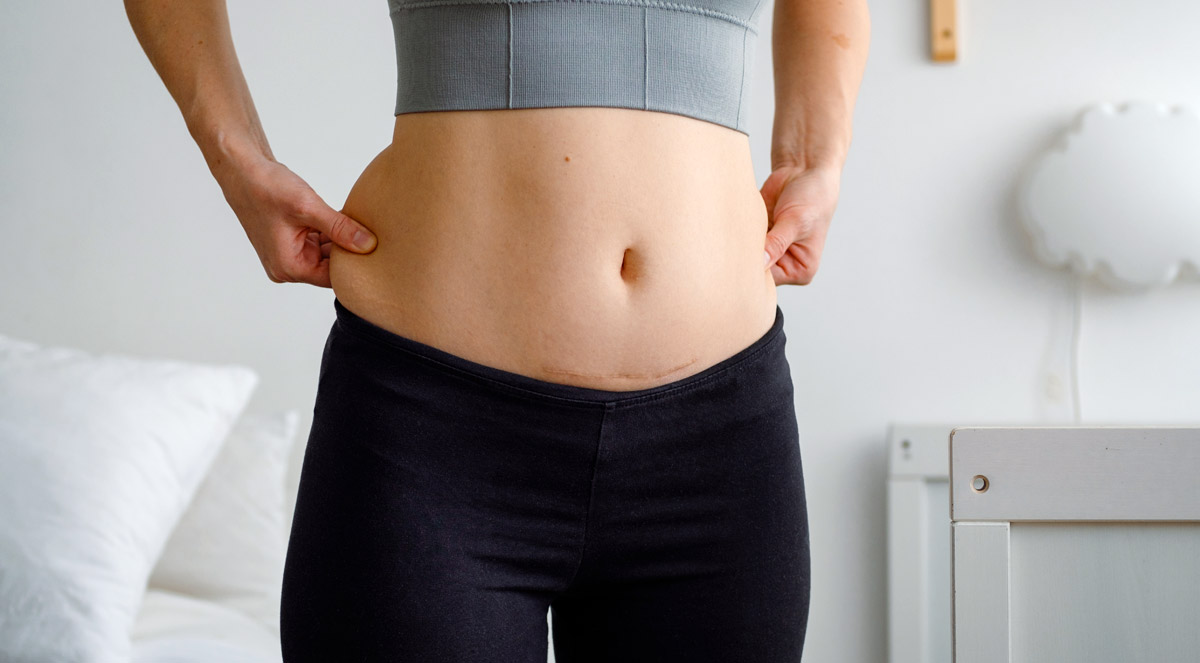
If you want to lose belly fat, you have probably come across countless promises about quick fixes, miracle supplements, and effortless results. Unfortunately, most of these claims are misleading.
The truth is that you cannot choose exactly where your body loses fat. However, by improving your overall eating habits, increasing physical activity, managing stress, and getting enough sleep, you can gradually reduce body fat—including the fat around your abdomen.
Belly fat is also more than a cosmetic concern. Excess abdominal fat, particularly the visceral fat stored around internal organs, is associated with a higher risk of conditions such as heart disease, type 2 diabetes, and other metabolic problems.
The most effective approach in 2026 is still a realistic, consistent plan based on healthy habits rather than extreme diets or unsustainable workouts.
1. Build Your Diet Around Whole Foods
Your eating habits play a major role in fat loss. You do not need to eliminate carbohydrates, skip meals, or follow an extremely restrictive diet. Instead, focus on foods that provide nutrients, support fullness, and help you maintain a manageable calorie deficit.
Try to include more:
- Vegetables and fruits
- Lean proteins
- Beans and lentils
- Whole grains
- Nuts and seeds
- Eggs, fish, poultry, or tofu
- Healthy fats such as olive oil and avocado
It is also helpful to reduce your intake of sugary drinks, highly processed snacks, refined sweets, and frequent oversized portions.
Rather than labeling individual foods as “good” or “bad,” focus on your overall eating pattern. A balanced diet that you can maintain consistently is more useful than a strict plan that only lasts a few weeks.
2. Eat Enough Protein
Protein can support fat loss in several ways. It helps you feel satisfied after meals, supports muscle maintenance, and requires more energy to digest than carbohydrates or fats.
Including protein throughout the day may make it easier to control hunger and avoid frequent snacking.

Good options include:
- Chicken or turkey
- Fish and seafood
- Eggs
- Greek yogurt
- Cottage cheese
- Tofu and tempeh
- Beans and lentils
- Lean meat
The amount you need depends on your body size, activity level, age, and overall health. Instead of focusing on a rigid number, aim to include a source of protein in most meals.
3. Increase Your Fiber Intake Gradually
Fiber can help support weight management by improving fullness and promoting healthy digestion. Foods rich in fiber may also help regulate blood sugar and support a healthier gut.
Useful sources include:
- Oats
- Whole grains
- Apples, berries, and pears
- Leafy greens
- Broccoli
- Beans and lentils
- Chia seeds and flaxseeds
Increase fiber gradually, especially if your current diet is low in it. Adding too much fiber too quickly may cause gas, constipation, or bloating. Drinking enough water can also help your digestive system adjust.
4. Make Strength Training Part of Your Routine
Cardio is useful, but strength training is equally important when your goal is to reduce body fat. Resistance exercise helps build and preserve muscle, which supports strength, mobility, and long-term body composition.
You do not need an advanced gym routine to begin. Effective exercises include:
- Squats
- Lunges
- Push-ups
- Rows
- Glute bridges
- Shoulder presses
- Deadlifts
Try to include strength training two or more days per week, depending on your fitness level and recovery needs.
One important point: abdominal exercises strengthen your core, but they do not directly burn fat from your stomach. Exercises such as planks and crunches can improve core strength, but overall fat loss is what helps reduce abdominal fat.
5. Add Cardio and More Daily Movement
Walking, cycling, swimming, dancing, and other forms of aerobic activity can help increase energy expenditure and support heart health.
You do not have to perform intense workouts every day. Consistent movement often matters more than occasional exhausting sessions.
Try to:
- Take a walk after meals.
- Use the stairs when practical.
- Break up long periods of sitting.
- Walk while talking on the phone.
- Choose activities you genuinely enjoy.
A combination of regular cardio, strength training, and everyday movement can be more sustainable than relying on one type of exercise.
6. Try High-Intensity Interval Training If It Suits You
High-intensity interval training, or HIIT, involves alternating short periods of intense activity with recovery periods. It can be an efficient option for people who have limited time.
A beginner-friendly session might include:
- Marching or jogging in place for 30 seconds
- Resting or walking slowly for 30 seconds
- Performing bodyweight squats for 30 seconds
- Resting for 30 seconds
- Repeating the sequence several times
You can also use cycling, brisk walking, or other lower-impact movements instead of jumping exercises.
HIIT is not essential for losing belly fat, and it may not be suitable for everyone. If you are new to exercise, start gradually and choose an intensity that matches your fitness level.
7. Get Consistent, Quality Sleep
Sleep is often overlooked when people are trying to lose weight. Inadequate sleep can affect appetite, cravings, energy levels, and motivation to exercise.
Most adults should aim for approximately 7–9 hours of sleep per night. A consistent sleep schedule may be more helpful than simply trying to sleep longer on weekends.
To improve sleep quality:
- Go to bed and wake up at similar times.
- Reduce screen use before bedtime.
- Keep your bedroom comfortable and dark.
- Avoid large meals or excessive caffeine late in the day.
- Create a relaxing evening routine.
Better sleep can make healthy eating and regular movement easier to maintain.
8. Manage Stress in Healthy Ways
Chronic stress can influence eating behavior, sleep, and daily activity. Some people experience stronger cravings or turn to food for comfort during stressful periods.
Stress also affects hormones involved in appetite and metabolism. Although stress alone does not automatically cause belly fat, ongoing stress may make weight management more difficult.
Helpful strategies include:
- Meditation
- Deep breathing
- Gentle stretching
- Walking outdoors
- Journaling
- Spending time with friends or family
- Taking regular breaks from screens
You do not need to eliminate stress completely. The goal is to develop practical ways to manage it more effectively.
9. Pay Attention to Liquid Calories
Drinks can contribute significant amounts of sugar and calories without making you feel as full as solid food.
Common examples include:
- Sugary soft drinks
- Sweetened coffee beverages
- Energy drinks
- Certain fruit drinks
- Alcoholic beverages
Replacing some of these drinks with water, sparkling water, or unsweetened tea may help reduce overall calorie intake.
You do not need to avoid every enjoyable drink, but becoming more aware of what you consume can make a meaningful difference over time.
10. Be Patient and Track Progress Realistically
Belly fat usually does not disappear overnight. Sustainable fat loss takes time, and the rate of progress can vary depending on genetics, age, hormones, activity level, sleep, and starting weight.
Instead of focusing only on the scale, consider tracking:
- Waist circumference
- How your clothes fit
- Strength and fitness improvements
- Energy levels
- Sleep quality
- Consistency with healthy habits
Avoid judging your progress based on daily weight changes. Water retention, digestion, sodium intake, and hormonal fluctuations can all affect the number on the scale.
What About Belly-Fat-Burning Supplements?
Products marketed as “fat burners,” detox teas, and miracle weight-loss pills often promise more than they can deliver. Some may have limited evidence behind them, while others can cause unwanted side effects or interact with medications.
There is no supplement that reliably replaces a balanced diet, regular physical activity, sufficient sleep, and long-term consistency.
Before taking a weight-loss supplement, speak with a qualified healthcare professional.
Final Thoughts
Losing belly fat safely is not about starving yourself, performing hundreds of crunches, or searching for a miracle product. The most reliable strategy is to focus on overall fat loss through balanced nutrition, regular strength training, aerobic activity, adequate sleep, and effective stress management.
You cannot control exactly where fat disappears first, but you can build habits that improve your body composition and support better long-term health.
Start with small changes, stay consistent, and give your body time to respond.