


Have you ever walked into a room and forgotten why you went there, struggled to remember someone’s name, or found yourself rereading the same information over and over? Occasional forgetfulness happens to everyone, but the good news is that small daily habits can help support memory, concentration, and overall brain health.
From getting enough sleep and staying physically active to learning new skills and managing stress, the way you live each day can influence how well your brain processes and remembers information.
In this article, we’ll explore practical, science-informed ways to improve memory naturally, along with what you should know about memory supplements.
1. Get Enough Quality Sleep
Sleep plays an important role in learning and memory. While you’re asleep, your brain processes and organizes information gathered throughout the day, helping turn new experiences into lasting memories.
When you don’t get enough sleep, you may find it harder to concentrate, learn new information, or recall things you’ve already studied.
Most adults should aim for 7–9 hours of sleep each night. Going to bed and waking up at consistent times, limiting screen use before bedtime, and creating a relaxing nighttime routine can all support better sleep.
If you regularly struggle with sleep, addressing the underlying problem may also help improve your ability to focus and remember things.
2. Exercise Regularly
Physical activity isn’t just good for your heart and muscles—it also benefits your brain.
Exercise increases blood flow throughout the body, including the brain, and can support the processes involved in learning, attention, and memory. Regular physical activity may also help reduce stress and improve sleep, which are both important for cognitive health.
You don’t need an intense workout to get started. Walking, cycling, swimming, dancing, or practicing yoga can all be useful ways to stay active.

Aim for at least 150 minutes of moderate-intensity physical activity per week, along with muscle-strengthening activities on two or more days, as recommended for adults.
Even a short daily walk can be a positive step toward a healthier body and a sharper mind.
3. Eat Foods That Support Brain Health
Your brain needs a steady supply of nutrients to function properly. A balanced diet that includes a variety of whole foods can help support memory and overall cognitive health.
Rather than relying on one so-called memory-boosting food, focus on building healthy eating habits over time.
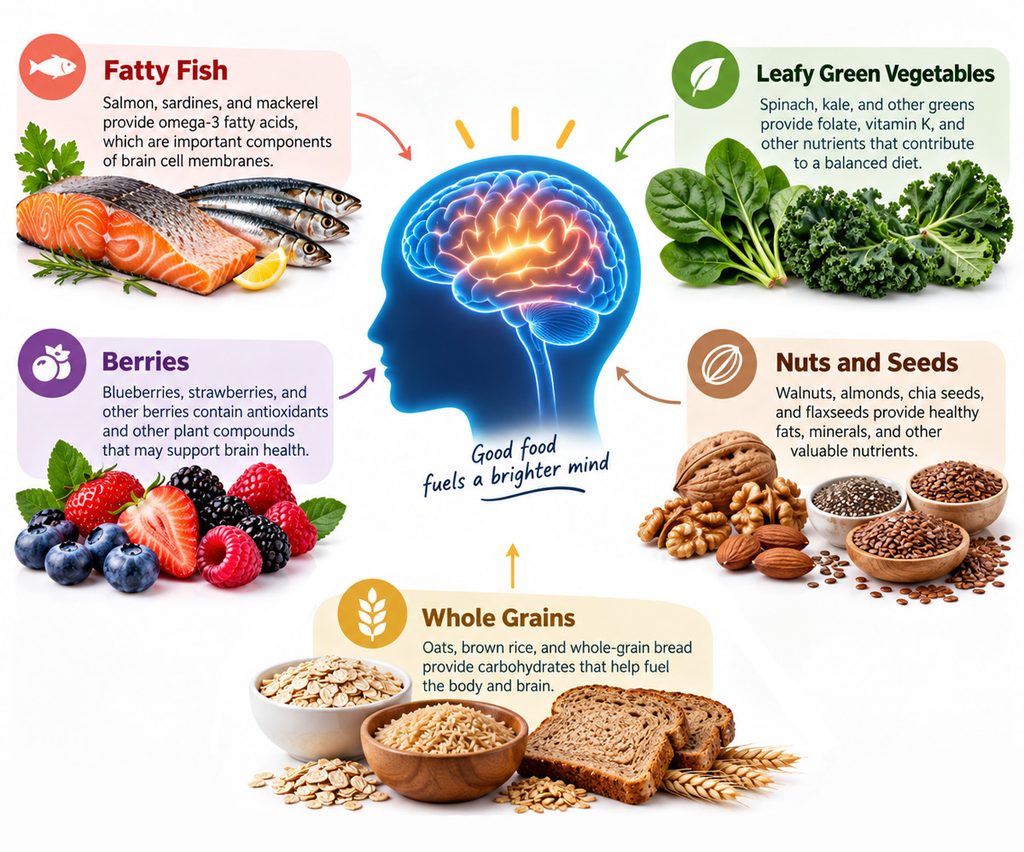
Some foods worth including in your diet are:
Fatty fish: Salmon, sardines, and mackerel provide omega-3 fatty acids, which are important components of brain cell membranes.
Leafy green vegetables: Spinach, kale, and other greens provide folate, vitamin K, and other nutrients that contribute to a balanced diet.
Berries: Blueberries, strawberries, and other berries contain antioxidants and other plant compounds that may support brain health.
Nuts and seeds: Walnuts, almonds, chia seeds, and flaxseeds provide healthy fats, minerals, and other valuable nutrients.
Whole grains: Oats, brown rice, and whole-grain bread provide carbohydrates that help fuel the body and brain.
A Mediterranean-style eating pattern, rich in vegetables, fruits, whole grains, legumes, fish, and healthy fats, is often associated with better long-term brain health.
4. Stay Hydrated Throughout the Day
Water is essential for many of the body’s functions, including normal brain function. Even mild dehydration can affect how you feel and may contribute to difficulties with attention and mental performance.
Make a habit of drinking water regularly throughout the day, especially when exercising, spending time in hot weather, or feeling thirsty.
Your fluid needs vary depending on your activity level, diet, climate, and overall health. Water-rich foods such as fruits and vegetables can also contribute to your daily fluid intake.
If you find yourself feeling tired or having trouble concentrating, checking whether you’ve had enough to drink is a simple place to start.
5. Practice Mindfulness and Improve Your Focus
A distracted mind can make it difficult to remember information. When you’re trying to learn something while checking your phone, answering messages, or thinking about several other tasks, you may not pay enough attention for the information to be stored effectively.
Mindfulness involves paying attention to the present moment without becoming overly distracted by thoughts or surroundings.
Practices such as meditation, mindful breathing, and focused observation may help develop attention and reduce stress. Although mindfulness isn’t a guaranteed memory enhancer, improving your ability to focus can make learning and remembering information easier.
Try setting aside five to ten minutes each day to sit quietly, focus on your breathing, and gently bring your attention back whenever your mind wanders.
6. Keep Your Brain Active by Learning New Things
Your brain benefits from regular mental stimulation. Learning something unfamiliar can challenge you to pay attention, process information, and build new skills.
Instead of doing the same activities every day, try introducing something different into your routine.
You could learn a new language, practice a musical instrument, take up drawing, study a new subject, or try a creative hobby. Reading, writing, and solving challenging problems can also provide opportunities to exercise your thinking skills.
The goal isn’t to become an expert overnight. Consistent learning and meaningful mental challenges are more valuable than simply keeping yourself busy.
Choose activities that interest you and gradually increase the difficulty as your skills improve.
7. Use Memory Techniques to Remember Information
Sometimes, improving memory isn’t about trying harder—it’s about using a more effective strategy.
Memory techniques, often called mnemonics, can help you organize information and make it easier to recall later.
Here are a few methods worth trying:
Acronyms: Create a word using the first letters of a list of items. This can be useful when remembering steps, categories, or key concepts.
Visualization: Turn information into a mental picture. For example, if you need to remember a shopping list, imagine the items in familiar places around your home.
Chunking: Break large amounts of information into smaller, more manageable groups. Phone numbers are often easier to remember when divided into sections.
Association: Connect new information to something you already know. Linking a person’s name to a familiar word or image may make it easier to recall.
These techniques can be especially helpful when studying, learning a new skill, or trying to remember important details.
8. Review Information Using Spaced Repetition
Reading something once doesn’t always mean you’ll remember it later. One of the most effective ways to strengthen learning is to review information at spaced intervals.
This approach is known as spaced repetition. Instead of studying the same material repeatedly in one sitting, you revisit it over several days or weeks.
For example, if you’re learning a new language, you might review new vocabulary shortly after learning it, then again the following day, a few days later, and the next week.
Combining spaced repetition with active recall—trying to remember information without looking at the answer—can make your study sessions more effective.
This technique is useful for students, professionals, and anyone who wants to retain new knowledge for longer.
9. Stay Organized and Reduce Mental Clutter
Being organized can make everyday life easier and reduce the amount of information you need to hold in your mind at once.
When appointments, tasks, and important reminders are scattered across different places, it’s easier to overlook something.
Consider using a planner, calendar, notebook, or digital task-management app to keep track of your responsibilities.
You can also create simple routines for frequently forgotten items. For example, always placing your keys in the same location can make them easier to find.
Keeping your workspace tidy and writing down important information can free up mental attention for tasks that require concentration.
Organization won’t directly improve every aspect of memory, but it can help you stay focused and avoid unnecessary distractions.
10. Manage Stress and Make Time to Relax
Stress can affect concentration, attention, and the ability to remember information. When you’re constantly worried or overwhelmed, it may become harder to focus on what you’re doing in the present moment.
Long-term stress can also interfere with sleep and overall well-being, which may further affect cognitive performance.
Finding healthy ways to manage stress is therefore an important part of supporting memory.
You might try:
- Taking a walk outdoors.
- Practicing deep breathing.
- Spending time with friends or family.
- Doing yoga or gentle stretching.
- Listening to music.
- Writing in a journal.
- Making time for hobbies and relaxation.
You don’t need to eliminate every stressful experience from your life. The goal is to develop habits that help you recover from stress and maintain a healthier balance.
11. Stay Socially Connected
Meaningful social interaction can be good for your emotional and cognitive well-being.
Conversations require attention, language processing, recall, and the ability to respond to other people. Participating in social activities can therefore provide regular mental stimulation.
Spending time with friends, visiting family, joining a club, or taking part in community activities can all help you stay connected.
Social engagement is also associated with several aspects of healthy aging. Although it cannot guarantee protection against memory loss, maintaining meaningful relationships is a valuable part of a healthy lifestyle.
If your routine has become isolated, start with something simple, such as calling a friend or arranging a regular coffee with someone you enjoy spending time with.
12. Avoid Constant Multitasking
Multitasking may seem like an efficient way to get more done, but frequently switching between tasks can make it harder to concentrate and process information effectively.
For example, trying to study while checking social media and responding to messages can prevent you from giving any one activity your full attention.
Since attention is essential for forming memories, reducing distractions can help you learn more efficiently.
Try focusing on one task at a time. Put your phone away when studying, turn off unnecessary notifications, and work in short, uninterrupted sessions.
Even small changes to your environment can make it easier to concentrate and retain what you’re learning.
Can Supplements Help Improve Memory?
Many supplements are marketed as ways to improve memory, sharpen focus, or support brain health. However, not every product with a “memory-boosting” claim has strong scientific evidence behind it.
Some nutrients are important for normal brain function, and supplements may be helpful when someone has a nutritional deficiency. But taking extra vitamins or herbal products doesn’t necessarily improve memory in otherwise healthy people.
Here are a few supplements commonly discussed in connection with cognitive health.
Omega-3 Fatty Acids
Omega-3 fatty acids, particularly DHA and EPA, are important for normal brain and cardiovascular function. They can be found in fatty fish such as salmon, sardines, and mackerel.
Fish oil supplements are also widely available.
Although omega-3s are important nutrients, research has not consistently shown that taking omega-3 supplements improves memory in healthy adults or prevents cognitive decline. Eating fish as part of a balanced diet may be a practical way to obtain these nutrients.
Ginkgo Biloba
Ginkgo biloba is an herbal supplement traditionally used in various health practices and is often marketed for memory support.
Some studies have investigated its potential effects on cognitive function, but the evidence is mixed. It has not been established as a reliable way to improve memory in healthy people or prevent dementia.
Ginkgo biloba may also interact with certain medications, including blood-thinning drugs.
Bacopa Monnieri
Bacopa monnieri is a plant used in traditional medicine and is sometimes promoted as a supplement for memory and learning.
Some small studies have suggested that certain standardized bacopa extracts may have cognitive benefits, but the evidence remains limited, and results cannot necessarily be applied to every product.
More research is needed to determine how effective it is, what doses may be appropriate, and how safe long-term use is.
Vitamin B12
Vitamin B12 is essential for healthy nerve function and the production of red blood cells. A deficiency can cause neurological symptoms, including difficulties with memory and concentration.
People who have a confirmed B12 deficiency may benefit from supplementation under the guidance of a healthcare professional.
However, taking extra B12 when your levels are already adequate is not proven to improve memory.
People following a vegan diet, as well as some older adults and individuals with certain absorption problems, may have a higher risk of B12 deficiency.
Vitamin D
Vitamin D contributes to several important functions in the body, including bone health and normal immune function. It has also been studied in relation to brain health.
Although vitamin D deficiency should be addressed when present, there is not enough evidence to conclude that taking vitamin D supplements improves memory in people who have adequate levels.
A healthcare professional can help determine whether testing or supplementation is appropriate.
Other Popular Memory Supplements
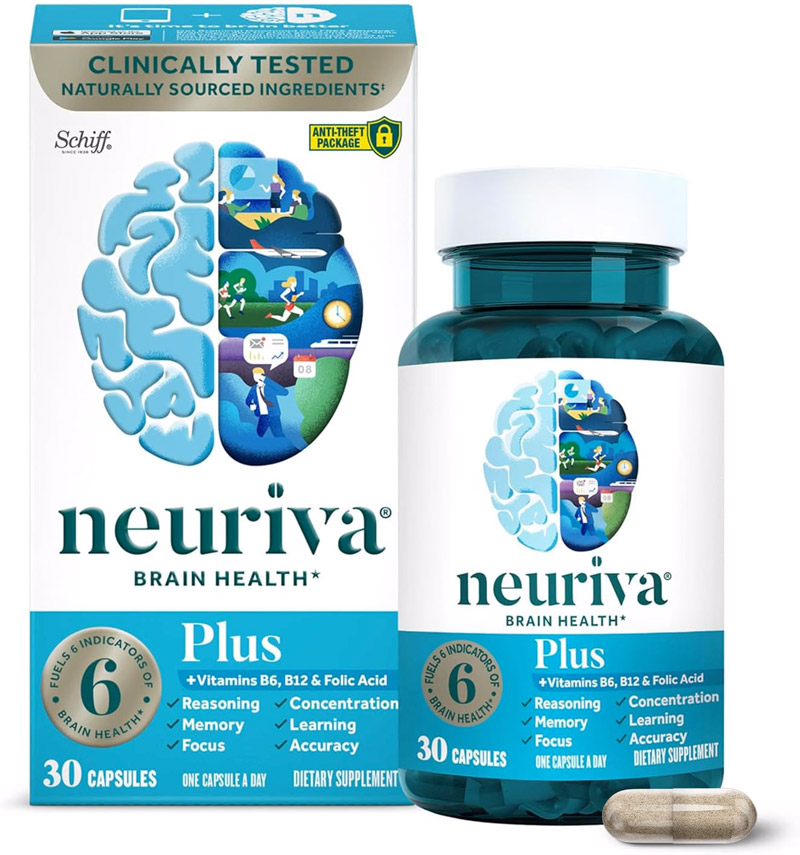
Products containing ingredients such as acetyl-L-carnitine, phosphatidylserine, huperzine A, and L-theanine are also marketed for cognitive support.
Research into these substances varies considerably. Some have shown interesting results in specific studies or populations, while others have limited evidence for meaningful memory improvement.
It’s important to remember that a supplement’s popularity or availability doesn’t automatically mean it is effective or safe.
Always speak with a healthcare professional before starting a supplement, particularly if you take medication, have an existing health condition, or are considering several products at once.
When Should You Be Concerned About Memory Problems?
Occasionally forgetting a name, misplacing your keys, or needing a reminder is generally a normal part of life. However, memory problems that become frequent, worsen over time, or interfere with daily activities deserve attention.
Consider speaking with a healthcare professional if you notice that you:
- Frequently forget important appointments or conversations.
- Struggle with familiar tasks.
- Become confused about dates, places, or everyday situations.
- Repeat the same questions or stories regularly.
- Experience memory changes that affect your work, relationships, or independence.
Memory difficulties can have many possible causes, including poor sleep, stress, medication effects, nutritional deficiencies, depression, and certain medical conditions. A healthcare professional can help identify the underlying cause and recommend appropriate next steps.
If memory loss occurs suddenly, especially alongside confusion, weakness, difficulty speaking, or other neurological symptoms, seek emergency medical attention.
Final Thoughts
Improving memory doesn’t require a complicated routine or expensive products. Often, the most useful place to begin is with the basics: getting enough sleep, staying physically active, eating a balanced diet, managing stress, and giving your full attention to the things you want to remember.
You can also make learning easier by using memory techniques, reviewing information regularly, and keeping your daily life organized.
The key is consistency. Small, healthy habits practiced over time can support your overall brain health and help you get more out of your daily activities.
And when it comes to memory supplements, approach bold claims with caution. A healthy lifestyle and appropriate medical guidance are generally more reliable foundations than products promising instant results.