

Water is essential for almost every function in the human body. It helps regulate body temperature, supports digestion, carries nutrients, lubricates joints, and helps the body remove waste. Because we constantly lose water through breathing, sweating, urination, and other normal processes, staying hydrated is something we need to pay attention to every day.
Dehydration occurs when the body loses more fluids than it takes in. It can happen gradually during a busy day or develop more quickly during exercise, hot weather, illness, or other situations that increase fluid loss.
The good news is that preventing dehydration is usually simple. A few everyday habits can help you maintain healthy hydration levels and avoid the tired, sluggish feeling that can come with not drinking enough fluids.
What Causes Dehydration?
Dehydration can happen whenever your body loses more fluid than you replace. Hot weather and physical activity are two common causes because sweating increases fluid loss.
Illness can also increase your risk. Fever, vomiting, and diarrhea can cause the body to lose significant amounts of water and electrolytes. Spending long periods outdoors, exercising intensely, or simply forgetting to drink throughout a busy day can also leave you dehydrated.
Some people need to be especially mindful of hydration, including young children, older adults, and people who are ill or have certain chronic health conditions.
Signs You May Not Be Drinking Enough Water
Thirst is one of the body’s natural signals that you need fluids, but it isn’t the only one. Other possible signs of dehydration include a dry mouth, darker-colored urine, fatigue, headache, dizziness, and reduced concentration.
If dehydration becomes severe, symptoms can become much more serious. Confusion, fainting, extreme weakness, or an inability to keep fluids down may require prompt medical attention.

Rather than waiting until you’re extremely thirsty, it’s generally better to make hydration part of your daily routine.
Simple Ways to Prevent Dehydration
Make Water Your Main Beverage
One of the easiest ways to stay hydrated is to make water your everyday beverage of choice. Keep a reusable bottle nearby at work, at home, or when you’re traveling so that drinking water becomes a natural part of your routine.
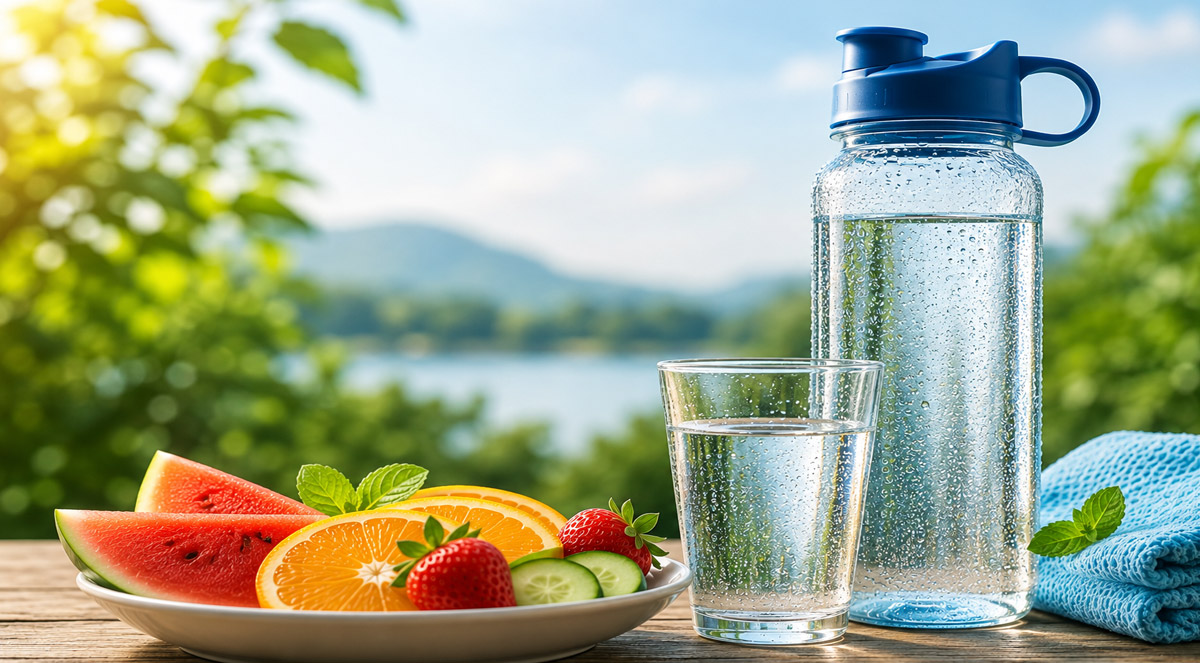
If plain water feels boring, try adding slices of lemon, lime, cucumber, mint, or fresh fruit for a little extra flavor.
Drink Throughout the Day
You don’t have to drink all your fluids at once. Taking regular drinks throughout the day can make it easier to maintain hydration.
Consider having water when you wake up, with meals, between meals, and whenever you’re physically active. Your individual fluid needs can vary depending on factors such as your body size, activity level, climate, and overall health.
Pay Attention to Exercise
Physical activity increases fluid loss through sweating, particularly during intense or prolonged exercise.
Drink fluids before, during, and after exercise, especially when you’re exercising outdoors or in warm conditions. During longer or particularly intense workouts, electrolytes may also be useful because sweat contains minerals such as sodium.
Eat More Water-Rich Foods
Hydration doesn’t come only from beverages. Many fruits and vegetables contain a substantial amount of water and can contribute to your overall fluid intake.
Water-rich foods such as watermelon, oranges, strawberries, cucumbers, tomatoes, lettuce, and zucchini can be easy additions to meals and snacks.
Be Careful in Hot Weather
High temperatures can make you lose fluids more quickly, particularly when you’re exercising or spending extended periods outdoors.
Whenever possible, plan strenuous outdoor activities for cooler parts of the day. Take breaks in the shade or indoors, wear appropriate clothing, and drink fluids regularly rather than waiting until you’re very thirsty.
Limit Beverages That Add Unnecessary Sugar
Soda, sweetened juices, and other sugary drinks can add a significant amount of sugar to your diet. They don’t need to be completely eliminated, but water is generally a better everyday choice when you’re simply looking to stay hydrated.
Alcohol can also contribute to fluid loss, so it’s especially important to pay attention to hydration when consuming alcoholic beverages.
Don’t Wait Until You’re Thirsty
Staying hydrated doesn’t have to be complicated. For most people, the key is simply to drink regularly, pay attention to thirst and urine color, increase fluid intake when exercising or spending time in hot weather, and include water-rich foods in your diet.
Think of hydration as a daily habit rather than something you only need to think about when you’re thirsty.
Your body is constantly losing water, so keeping your fluid intake consistent can help you feel more energized, support normal body functions, and reduce the risk of dehydration.
If you’re experiencing significant dehydration symptoms, have persistent vomiting or diarrhea, or have a medical condition that affects your fluid needs, speak with a healthcare professional for personalized advice.