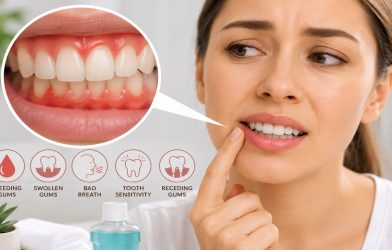


Healthy teeth and gums are essential for more than just a beautiful smile. Good oral health supports comfortable eating, clear speech, and overall well-being. Problems such as tooth decay, gum disease, and persistent bad breath can often be prevented—or detected early—by following a consistent oral hygiene routine.
Although genetics and certain medical conditions can influence oral health, everyday habits play a major role. From brushing and flossing to eating a balanced diet and visiting the dentist regularly, small steps can help protect your natural teeth and gums for many years.
1. Brush Your Teeth Twice a Day
Brushing is one of the most important habits for maintaining healthy teeth. It helps remove plaque, food particles, and bacteria that can contribute to cavities and gum disease.
Brush your teeth at least twice a day, preferably in the morning and before bedtime. Use a soft-bristled toothbrush and fluoride toothpaste. Brush gently using small, circular movements, paying attention to the outer, inner, and chewing surfaces of every tooth.
Avoid brushing too aggressively, as excessive pressure can irritate the gums and contribute to enamel wear.
2. Floss Daily
A toothbrush cannot effectively clean every space between your teeth. Flossing helps remove plaque and food debris from areas that are difficult to reach with brushing alone.
Try to clean between your teeth at least once a day. Traditional dental floss, interdental brushes, or water flossers may be useful, depending on your needs and your dentist’s recommendations.
When flossing, move the floss gently along the sides of each tooth rather than snapping it into the gums.
3. Use Fluoride to Protect Tooth Enamel
Fluoride is a naturally occurring mineral that helps strengthen tooth enamel and reduce the risk of tooth decay. It supports the remineralization of weakened enamel and makes teeth more resistant to acid attacks from bacteria.
For most people, brushing with fluoride toothpaste is an effective way to receive regular fluoride protection. Your dentist may also recommend a fluoride mouthwash or professional fluoride treatment if you have an increased risk of cavities.

Do not swallow toothpaste or fluoride products, and follow the instructions on the product label.
4. Eat a Tooth-Friendly Diet
Your diet can have a significant impact on the health of your teeth and gums. Nutrient-rich foods provide the vitamins and minerals needed to support strong teeth, healthy gum tissue, and normal immune function.
Try to include:
- Fresh vegetables and fruits
- Whole grains
- Lean proteins
- Fish and eggs
- Beans and lentils
- Dairy products or calcium-fortified alternatives
- Nuts and seeds
Crunchy vegetables, such as carrots and celery, may also help stimulate saliva production, which naturally helps cleanse the mouth.
5. Limit Sugary and Acidic Foods
Frequent exposure to sugar can increase the risk of tooth decay. Bacteria in dental plaque use sugars to produce acids that gradually weaken tooth enamel.
Acidic foods and drinks, including citrus juices, soft drinks, sports drinks, and some flavored waters, can also contribute to enamel erosion when consumed frequently.
To protect your teeth:
- Reduce sugary snacks and drinks.
- Avoid constantly sipping sweetened beverages.
- Drink water between meals.
- Enjoy acidic foods as part of a meal rather than repeatedly throughout the day.
- Rinse your mouth with water after consuming acidic foods or drinks.
Wait around 30 minutes before brushing after a highly acidic meal or drink, as enamel may be temporarily softened.
6. Drink Plenty of Water
Water helps rinse away food particles and supports the production of saliva. Saliva plays an important role in protecting teeth because it helps neutralize acids and supplies minerals that support enamel.
Drinking water throughout the day can be especially helpful after meals and snacks. Fluoridated tap water, where available, may provide additional protection against tooth decay.
If you frequently experience dry mouth, speak with your dentist or healthcare provider, as reduced saliva production can increase the risk of cavities and oral discomfort.
7. Visit Your Dentist Regularly
Regular dental examinations and professional cleanings are important even when your teeth appear healthy. Dentists can identify early signs of cavities, gum disease, enamel damage, and other oral health concerns.
During a dental visit, your dentist may:
- Examine your teeth and gums.
- Check for cavities and signs of infection.
- Remove hardened plaque, also known as tartar.
- Assess your bite and gum health.
- Recommend improvements to your oral hygiene routine.
- Discuss fluoride treatments or other preventive care.
The ideal frequency of dental visits depends on your oral health and personal risk factors.
8. Avoid Tobacco Products
Smoking and chewing tobacco can seriously affect oral health. Tobacco use increases the risk of gum disease, tooth staining, bad breath, delayed healing, and oral cancer.
Tobacco can also make it harder for the gums to heal and may hide some warning signs of gum disease.
Quitting tobacco is one of the most beneficial steps you can take for both your oral and overall health. If you need support, speak with a healthcare professional or a smoking-cessation service.
9. Limit Alcohol and Avoid Dry Mouth
Frequent or excessive alcohol consumption may contribute to dry mouth and can increase the risk of certain oral health problems. Some alcoholic drinks also contain large amounts of sugar or acidity.
If you drink alcohol, do so responsibly and consider drinking water alongside it. Avoid using alcohol-containing mouthwash excessively if it worsens dryness or irritation.
People who experience persistent dry mouth should discuss the problem with a dentist, particularly if they also have difficulty swallowing, mouth soreness, or frequent cavities.
10. Protect Your Teeth From Injury
Teeth are strong, but they are not designed to open packages, crack nuts, or bite hard objects such as ice, pens, or bottle caps. These habits can cause chips, cracks, or other dental injuries.
If you participate in contact sports or activities where your mouth may be injured, wear a properly fitted mouthguard. A dentist can help you choose suitable protection.
11. Manage Stress and Teeth Grinding
Stress can contribute to teeth grinding or clenching, particularly during sleep. Over time, bruxism may lead to headaches, jaw discomfort, tooth sensitivity, enamel damage, or cracked teeth.
Stress-management techniques such as deep breathing, meditation, regular exercise, and adequate sleep may help reduce tension. If you suspect that you grind your teeth, speak with your dentist. A custom night guard may be recommended in some cases.
12. Support Oral Health With Essential Nutrients
A balanced diet is usually the best way to obtain the nutrients needed for healthy teeth and gums. Supplements may be useful for people with a confirmed deficiency or specific dietary limitations, but they should not replace proper dental care.
Calcium
Calcium helps maintain the structure of teeth and bones. Food sources include dairy products, fortified plant-based beverages, leafy green vegetables, almonds, tofu made with calcium, and certain fish.
Vitamin D
Vitamin D helps the body absorb and use calcium. It can be obtained through sunlight exposure, fatty fish, egg yolks, and fortified foods. Some people may need supplementation, depending on their diet, sun exposure, and blood levels.
Vitamin C
Vitamin C supports collagen production and the health of connective tissues, including the gums. Good sources include oranges, kiwi, strawberries, peppers, broccoli, and other fruits and vegetables.
Coenzyme Q10
Coenzyme Q10, also known as CoQ10, is involved in cellular energy production and has antioxidant properties. It has been studied in connection with gum health, but evidence is not strong enough to consider it a replacement for established periodontal treatment.
Probiotics
Probiotics are beneficial microorganisms that may help support a balanced oral and digestive microbiome. Certain strains have been studied for their potential effects on plaque, bad breath, and gum health, although more research is needed.
Fermented foods such as plain yogurt and kefir may provide probiotics, depending on the product.
Green Tea
Green tea contains plant compounds called catechins, which have antioxidant and anti-inflammatory properties. Unsweetened green tea may be a reasonable addition to a balanced diet, but it should not replace brushing, flossing, or professional dental care.
13. Do Natural Remedies Replace Dental Treatment?
Natural approaches can support good oral hygiene, but they cannot reliably treat cavities, advanced gum disease, dental infections, or damaged teeth.
Be cautious with remedies that involve applying acidic substances, abrasive powders, essential oils, or undiluted ingredients directly to the teeth and gums. Some may irritate oral tissues or wear away enamel.
If you notice bleeding gums, persistent bad breath, tooth pain, swelling, loose teeth, or increased sensitivity, arrange a dental examination rather than relying only on home remedies.
Final Thoughts
Maintaining natural, healthy teeth and gums requires consistent care rather than occasional quick fixes. Brush twice daily with fluoride toothpaste, clean between your teeth, drink water, eat a balanced diet, and limit sugary or acidic foods and drinks.
Regular dental check-ups, avoiding tobacco, protecting your teeth from injury, and managing stress can provide additional support. Nutrients such as calcium, vitamin D, and vitamin C are also important, but supplements should only be used when appropriate and with professional guidance.
With the right daily habits and timely dental care, you can help protect your smile and support your oral health for a lifetime.