

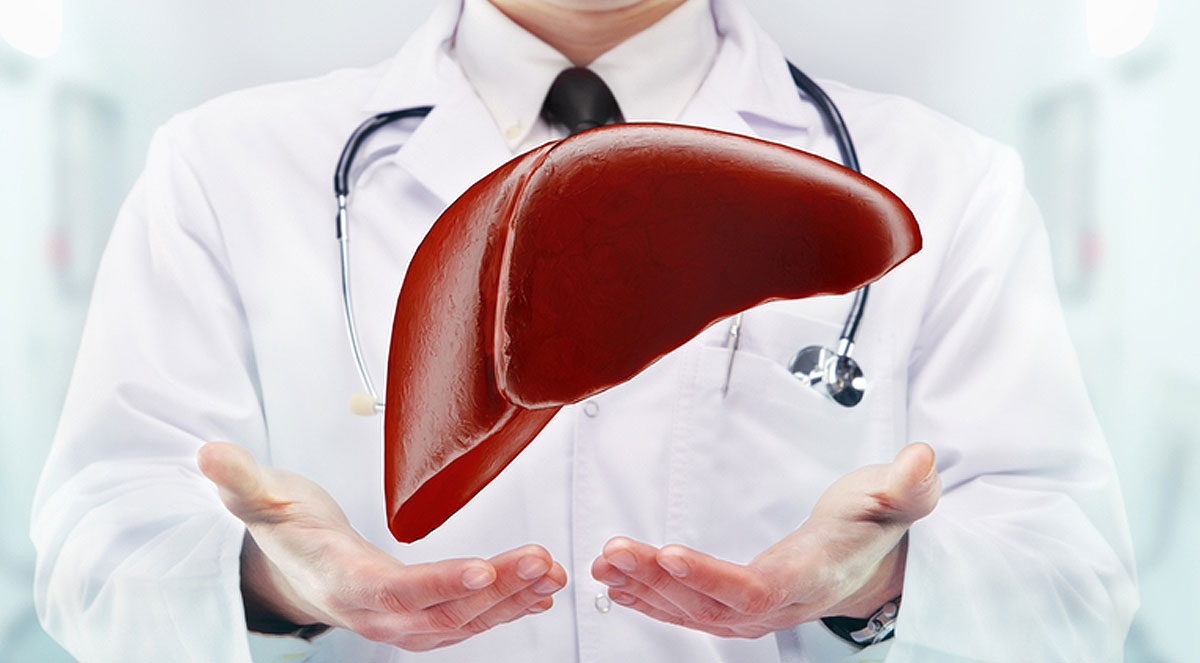
Your liver is one of the hardest-working organs in your body. It helps process nutrients, supports metabolism, produces important substances, and breaks down many substances that the body needs to remove. Because it performs so many essential functions, taking care of your liver is an important part of maintaining overall health.
The good news is that many everyday lifestyle choices can support liver health. Eating a balanced diet, staying physically active, maintaining a healthy weight, and limiting alcohol are all valuable steps.
There is no single food or drink that can magically cleanse your liver. Instead, long-term habits and a balanced approach to nutrition are what matter most.
In this article, we’ll explore practical ways to support your liver and discuss foods, drinks, and lifestyle habits worth incorporating into your routine.
1. Eat a Balanced, Nutrient-Rich Diet
A healthy liver benefits from a diet that provides a wide variety of essential nutrients. Rather than focusing on one particular food, aim to build meals around a combination of whole and minimally processed ingredients.
Include plenty of vegetables, fruits, whole grains, beans, lentils, fish, lean proteins, nuts, and healthy sources of fat.
A varied diet can help provide the fiber, vitamins, minerals, and other nutrients your body needs to function properly.
For example, a balanced meal might include grilled fish, brown rice, steamed vegetables, and a small serving of olive oil.
The goal isn’t perfection. It’s to develop eating habits that are nutritious, enjoyable, and sustainable over time.
2. Reduce Added Sugars and Highly Processed Foods
Frequently consuming foods and drinks high in added sugars can contribute to excess calorie intake and weight gain. Over time, these factors may increase the risk of metabolic dysfunction-associated steatotic liver disease, commonly known as MASLD.

MASLD, formerly called nonalcoholic fatty liver disease or NAFLD, involves excess fat accumulating in the liver in association with metabolic risk factors.
Sugary sodas, energy drinks, sweetened coffee beverages, pastries, and heavily processed snacks are worth limiting, particularly when they make up a large part of your diet.
Instead, choose water, unsweetened beverages, whole fruits, and meals prepared with minimally processed ingredients more often.
You don’t have to eliminate every sweet treat. Moderation and overall dietary patterns are more important than occasional indulgences.
3. Choose Healthy Sources of Fat
Not all fats have the same nutritional value. Replacing some sources of saturated fat with unsaturated fats can be a useful part of a heart-healthy and liver-friendly eating pattern.
Good options include:
- Olive oil
- Avocados
- Almonds and walnuts
- Chia and flaxseeds
- Salmon, sardines, and other oily fish
These foods provide beneficial nutrients and, in some cases, omega-3 fatty acids.
Fatty fish, in particular, can be a valuable addition to a balanced diet. However, no individual food should be viewed as a cure for liver disease.
4. Include Enough Protein in Your Diet
Protein is essential for maintaining muscles, supporting tissue repair, and carrying out many functions throughout the body.
Useful protein sources include fish, poultry, eggs, beans, lentils, tofu, yogurt, and other dairy products.
Including protein in your meals can also help you feel satisfied after eating and support a balanced diet.
For most healthy adults, a varied diet provides the protein needed for normal body functions. People with certain liver conditions may have specific nutritional requirements, so they should seek advice from a healthcare professional or registered dietitian before making major dietary changes.
5. Limit Alcohol to Protect Your Liver
Alcohol is processed by the liver, and excessive consumption can damage liver cells over time.
Heavy alcohol use is associated with conditions such as alcohol-associated liver disease, which can include fatty liver, alcoholic hepatitis, and cirrhosis.
The safest choice for people who do not drink is not to start. If you drink alcohol, reducing your intake can lower health risks. People with certain liver conditions may need to avoid alcohol completely.
If you have been diagnosed with liver disease, speak with your healthcare professional about whether any alcohol consumption is safe for you.
6. Drink Enough Water
Staying hydrated supports normal bodily functions, including digestion, circulation, and kidney function.
Water is generally the best everyday beverage for maintaining hydration. Your fluid needs depend on factors such as activity level, climate, diet, and overall health.
Although water is important, it’s worth correcting a common misconception: drinking extra water does not directly “flush toxins” out of the liver. The liver processes substances as part of its normal functions, while the kidneys and other systems also help remove waste.
Aim to drink regularly throughout the day, especially during exercise or hot weather.
7. Eat More Fiber-Rich Foods
Fiber is an important part of a balanced diet and can support digestive health, blood sugar regulation, and healthy cholesterol levels.
Foods rich in fiber include:
- Oats and whole-grain bread
- Brown rice and other whole grains
- Apples, berries, and pears
- Broccoli, carrots, and leafy greens
- Beans, chickpeas, and lentils
- Nuts and seeds
A diet rich in fiber may also support better metabolic health, which is relevant to reducing the risk of fatty liver disease.
If you’re increasing your fiber intake, do so gradually and drink enough fluids to help your digestive system adjust.
8. Add More Vegetables to Your Meals
Vegetables provide a wide range of nutrients and plant compounds that support overall health. Including different types of vegetables in your meals is a simple way to improve the quality of your diet.
Cruciferous vegetables, such as broccoli, cauliflower, cabbage, and Brussels sprouts, are particularly nutritious. Leafy greens, carrots, peppers, and tomatoes are also excellent choices.
Try adding vegetables to soups, salads, omelets, stir-fries, or roasted dishes. Eating a variety of colors can help you enjoy a broader range of nutrients.
While some vegetables contain compounds that may support normal liver processes, no vegetable can independently remove accumulated fat or repair liver damage. Their benefits come from being part of a healthy overall eating pattern.
9. Enjoy Coffee and Tea in Moderation
For many people, coffee can be part of a liver-friendly lifestyle. Research has associated regular coffee consumption with a lower risk of certain chronic liver conditions, including liver fibrosis and liver cancer. Some studies have also found associations with a reduced risk of chronic liver disease progression.
Coffee contains several biologically active compounds that may contribute to these effects.
If you enjoy coffee, moderate consumption can fit into a balanced diet. However, adding large amounts of sugar, cream, or sweetened syrups can increase calorie and sugar intake.
Tea, including green tea, also contains plant compounds with antioxidant properties. Although laboratory studies have explored their potential effects on liver health, drinking green tea should not be considered a treatment for liver disease.
Be cautious with concentrated green tea extracts and supplements. Some have been associated with liver injury, particularly when taken in high doses.
10. Be Careful With Supplements and Herbal Products
Many products are marketed as “liver cleanses” or liver-support supplements. Unfortunately, these products are not always as harmless as their advertising suggests.
Some herbal products and concentrated supplements can cause liver injury. Their ingredients, doses, and manufacturing quality may also vary.
Milk thistle, turmeric, and other supplements have been studied for possible liver-related benefits, but evidence of their effectiveness is mixed. They should not replace a balanced diet or medical treatment.
Before taking a supplement, speak with a healthcare professional, particularly if you have liver disease, take prescription medication, or use several supplements already.
Remember that natural does not automatically mean safe.
11. Maintain a Healthy Weight
Maintaining a weight that is appropriate for your individual circumstances can play an important role in liver health.
Excess body fat, particularly around the abdomen, is associated with a higher risk of metabolic dysfunction-associated steatotic liver disease.
For people who are overweight and have fatty liver disease, gradual, sustained weight loss may help reduce liver fat and improve liver health.
Even modest changes can be beneficial. However, rapid weight loss and extreme dieting are not recommended approaches.
Rather than following a restrictive diet, focus on realistic habits such as eating balanced meals, reducing sugary drinks, and becoming more physically active.
If you already have liver disease, a healthcare professional can help you determine an appropriate and safe weight-management strategy.
12. Exercise Regularly
Physical activity is beneficial for cardiovascular health, metabolic health, and overall well-being. It can also support liver health, even when significant weight loss does not occur.
Regular exercise may help reduce liver fat and improve insulin sensitivity, which are important factors in managing metabolic liver conditions.
You don’t need to become an athlete to benefit from movement. Consider activities such as:
- Brisk walking
- Cycling
- Swimming
- Dancing
- Strength training
- Hiking
- Yoga and mobility exercises
A practical goal for many adults is to work toward at least 150 minutes of moderate-intensity aerobic activity each week, alongside muscle-strengthening activities on two or more days.
If you’re new to exercise, start gradually and choose activities that match your fitness level.
13. Avoid Smoking and Limit Exposure to Harmful Substances
Smoking can negatively affect many aspects of health, and avoiding it is an important part of a healthy lifestyle.
It’s also sensible to follow safety precautions when handling chemicals, solvents, cleaning products, and other potentially harmful substances.
Some substances can damage the liver when they are inhaled, swallowed, or absorbed in excessive amounts. Always follow product instructions and use appropriate protective equipment when necessary.
If you work with chemicals regularly, make sure you understand the safety procedures in your workplace.
14. Be Careful With Medications
The liver helps process many medications, which means certain drugs can affect it, particularly when taken incorrectly or in excessive amounts.
One example is acetaminophen, also known as paracetamol. It can be safe when used according to the recommended instructions, but taking too much can cause serious liver damage.
To reduce unnecessary risks, avoid taking more than the recommended dose and check whether different medicines contain the same active ingredients.
It’s also important to tell your healthcare professional about any supplements or herbal products you use.
If you have an existing liver condition, ask your doctor or pharmacist whether your medications need special consideration.
15. Get Regular Medical Advice When Necessary
Many liver conditions can develop without noticeable symptoms during their early stages. This means that feeling well does not always guarantee that your liver is healthy.
People with risk factors such as obesity, type 2 diabetes, heavy alcohol use, viral hepatitis, or a family history of liver disease may benefit from discussing liver health with a healthcare professional.
Depending on your circumstances, your doctor may recommend blood tests, imaging, or other assessments.
You should also seek medical advice if you experience symptoms such as persistent fatigue, yellowing of the skin or eyes, unexplained abdominal swelling, dark urine, or ongoing pain in the upper-right area of your abdomen.
These symptoms can have several causes, but they should not be ignored.
Foods That Can Support a Healthy Liver
There is no single “superfood” that guarantees liver health. However, several nutritious foods can fit into a balanced eating pattern that supports your overall well-being.
Leafy Greens
Spinach, kale, lettuce, and other leafy greens are rich in vitamins, minerals, and plant compounds. They can be added to salads, soups, smoothies, or cooked meals.
Cruciferous Vegetables
Broccoli, cauliflower, Brussels sprouts, and cabbage provide fiber and beneficial plant compounds. Eating a variety of vegetables is more important than focusing exclusively on one type.
Berries and Other Whole Fruits
Blueberries, strawberries, raspberries, apples, and oranges provide fiber and naturally occurring plant compounds.
Whole fruit is generally a better everyday choice than fruit juice because it contains more fiber and is often more filling.
Oats and Whole Grains
Oats, barley, brown rice, and whole-grain bread can provide fiber and help form the foundation of balanced meals.
Beans and Lentils
Legumes are useful sources of plant-based protein and fiber. They can be added to soups, salads, stews, and grain-based dishes.
Nuts and Seeds
Walnuts, almonds, chia seeds, and flaxseeds provide healthy fats, fiber, and other nutrients.
Because nuts and seeds are energy-dense, portion sizes may be worth considering if you’re managing your weight.
Fatty Fish
Salmon, sardines, trout, and mackerel provide protein and omega-3 fatty acids.
Including fish in your diet can support overall cardiovascular health and contribute to a balanced eating pattern.
Olive Oil
Extra-virgin olive oil is a source of monounsaturated fat and other plant compounds. It can be used in salad dressings, cooking, or as a finishing oil.
As with all fats, moderation is important because olive oil is calorie-dense.
Common Liver Health Myths to Avoid
There is a great deal of misleading information about liver health, especially online. Understanding a few common myths can help you make better decisions.
Myth 1: Liver Detox Drinks Cleanse the Liver
Many detox drinks claim to remove toxins or reverse liver damage. However, there is no convincing evidence that commercial detox beverages can cleanse the liver or undo the effects of an unhealthy lifestyle.
The liver already has its own systems for processing substances. A balanced diet and healthy habits are more useful than expensive cleansing products.
Myth 2: Drinking More Water Removes Liver Fat
Water is essential for hydration, but drinking excessive amounts does not directly eliminate fat from the liver.
Reducing liver fat generally involves addressing underlying factors such as diet, physical inactivity, excess weight, and metabolic health.
Myth 3: One Food Can Repair Liver Damage
Garlic, beets, green tea, and other foods may be nutritious additions to your diet, but none should be viewed as a cure for liver disease.
Liver health depends on many factors, and treatment should be based on the specific condition.
Myth 4: You Only Need to Worry About Liver Health If You Drink Alcohol
Alcohol is an important risk factor for liver damage, but it isn’t the only one.
Metabolic conditions, viral hepatitis, certain medications, genetics, and other factors can also affect the liver.
People who don’t drink alcohol can still develop liver disease.
A Simple Daily Routine for Supporting Liver Health
Taking care of your liver doesn’t have to involve complicated rules or expensive products. Small, consistent habits can make a meaningful difference.
Here’s an example of what a liver-friendly day might look like.
Morning: Start with a balanced breakfast, such as oatmeal with berries and nuts, or eggs with whole-grain toast and vegetables. Drink water or an unsweetened beverage.
Midday: Enjoy a meal containing lean protein, vegetables, and whole grains. A short walk after lunch can also be a practical way to add movement to your day.
Afternoon: Choose a nutritious snack, such as fruit, yogurt, or a small portion of nuts. Stay hydrated according to your needs.
Evening: Prepare a balanced dinner with vegetables, protein, and a source of fiber-rich carbohydrates. If possible, include some physical activity or relaxation time in your evening routine.
Throughout the day: Avoid smoking, use medications responsibly, and limit alcohol. Aim for habits that you can maintain over the long term.
This is only an example. Your dietary needs may differ depending on your age, activity level, medical history, and personal goals.
Final Thoughts
Maintaining a healthy liver is less about following a strict diet and more about making sensible choices consistently.
Eating a varied, nutrient-rich diet, reducing added sugars, limiting alcohol, exercising regularly, maintaining a healthy weight, and using medications responsibly can all contribute to better overall health.
It’s also important to remember that liver disease can occur for many reasons, and lifestyle changes alone may not be enough to treat an existing condition.
If you’re concerned about your liver health, speak with a healthcare professional who can offer appropriate testing, guidance, and treatment.
Your liver works hard every day. Taking care of it starts with the small choices you make today.