
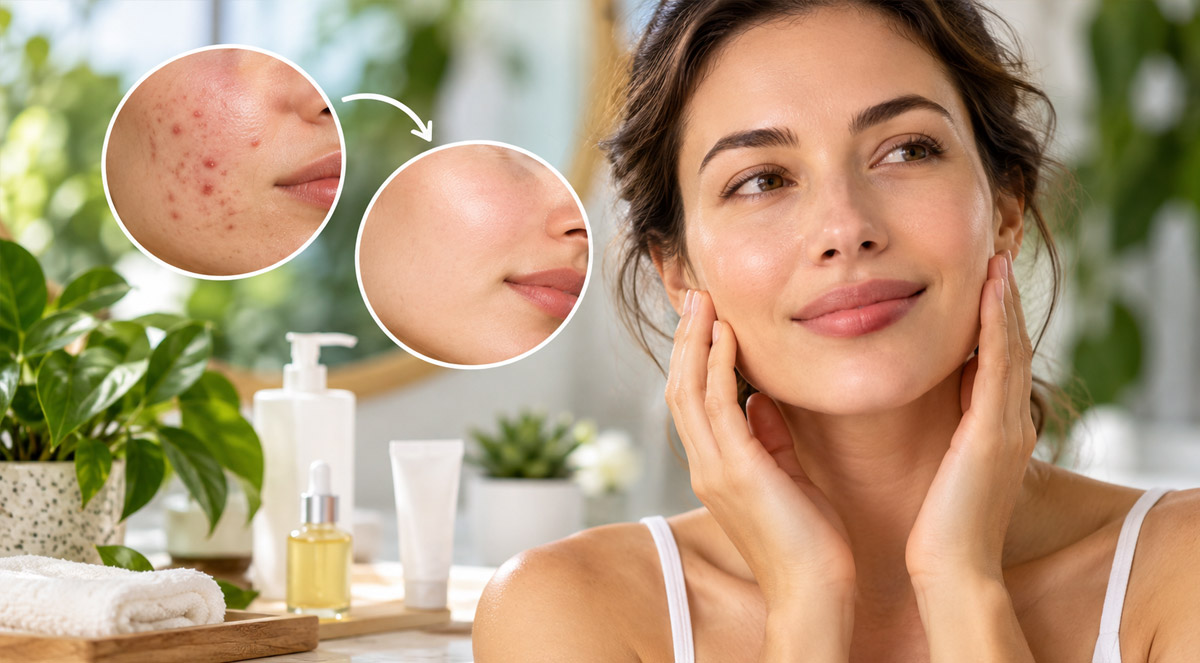
Acne is one of the most common skin conditions worldwide, affecting people of nearly every age. Although breakouts are often associated with the teenage years, many adults continue to struggle with pimples, clogged pores, and persistent inflammation well into their 30s, 40s, and beyond.
Dealing with acne can be frustrating, especially when products promise quick results but deliver little improvement. Fortunately, understanding what triggers breakouts and choosing the right skincare treatments can make a meaningful difference.
Whether you’re dealing with occasional pimples or persistent acne, learning how to care for your skin can help reduce breakouts, minimize the risk of scarring, and support a healthier complexion.
What Is Acne?
Acne is a common skin condition that develops when hair follicles become clogged with sebum (the skin’s natural oil) and dead skin cells. A bacterium naturally found on the skin, called Cutibacterium acnes, can contribute to inflammation within these blocked follicles.
Depending on the severity, acne may appear as small bumps, blackheads, whiteheads, inflamed pimples, or deeper and more painful lumps.
Although acne most frequently affects the face, it can also develop on the forehead, chest, shoulders, and upper back, where oil-producing glands are particularly active.
For some people, acne causes only occasional blemishes. For others, persistent inflammation can lead to dark marks, permanent scars, and emotional distress. The good news is that effective treatments are available, and starting the right treatment early can help prevent long-term skin damage.
What Causes Acne?
Acne usually develops through a combination of factors rather than one single cause. Oil production, clogged pores, hormonal activity, inflammation, and genetics can all contribute to breakouts.
1. Excess Oil Production
Your skin naturally produces sebum to maintain moisture and protect its surface. However, when sebaceous glands produce too much oil, sebum can accumulate inside hair follicles and contribute to clogged pores.
Excess oil is particularly common during puberty, but hormonal changes and individual skin characteristics can also lead to oily skin in adulthood.

2. Hormonal Changes
Hormones play a major role in acne development. Androgens, a group of hormones that includes testosterone, can stimulate the sebaceous glands to produce more oil.
This helps explain why acne often appears during puberty and why some adults experience breakouts around menstruation, during pregnancy, or during other hormonal changes.
Adult acne is especially common among women, although men can experience persistent breakouts as well.
3. Bacteria and Inflammation
Cutibacterium acnes naturally lives on the skin and is not inherently harmful. However, when hair follicles become blocked, this bacterium can contribute to an inflammatory response.
The result may be red, swollen, tender pimples or deeper acne lesions. Because inflammation is an important part of acne, effective treatments often target more than just excess oil.
4. Dead Skin Cell Buildup
Skin cells constantly renew themselves, and old cells normally shed from the surface. Sometimes, however, dead skin cells accumulate within hair follicles and mix with sebum, creating blockages.
These clogged follicles can develop into whiteheads, blackheads, and other acne lesions.
5. Genetics
Family history can influence your likelihood of developing acne. If one or both of your parents experienced persistent or severe breakouts, you may be more susceptible as well.
Genetics can affect oil production, inflammatory responses, and other characteristics that influence how your skin behaves.
6. Lifestyle and Environmental Factors
Everyday habits do not necessarily cause acne on their own, but certain factors can make existing breakouts worse.
Stress may contribute to flare-ups, while friction from tight clothing, helmets, or sports equipment can irritate acne-prone areas. Heavy or pore-clogging skincare products may also contribute to blocked follicles.
Some medications can trigger or aggravate acne, too. If you notice a sudden change in your skin after starting a medication, speak with your healthcare professional rather than stopping it yourself.
Common Types of Acne
Recognizing the type of acne you have can help you understand which treatments may be appropriate.
Whiteheads: These form when a pore becomes clogged and remains closed at the skin’s surface. They appear as small, pale or flesh-colored bumps.
Blackheads: Blackheads develop when clogged pores remain open. The dark appearance comes from changes in the material inside the pore when it is exposed to air, not from dirt.
Papules: These are small, red or pink inflamed bumps that may feel tender. They generally do not contain visible pus.
Pustules: Often called pimples or zits, pustules are inflamed blemishes with a visible white or yellowish center containing pus.
Nodules: These are firm, painful lumps that form deeper within the skin. Nodular acne can be difficult to treat with over-the-counter products alone.
Cyst-like acne lesions: Deep, painful acne lesions can cause significant inflammation and may leave permanent scars. People often refer to this severe form as cystic acne, although a dermatologist can determine the precise type of lesion.
If you experience deep, painful breakouts or notice scars developing, seeking professional treatment early is particularly important.
Effective Acne Treatments That Can Help
There is no single acne treatment that works equally well for everyone. The best approach depends on the type of acne, its severity, your skin’s sensitivity, and whether you have other health considerations.
Consistency also matters. Most acne treatments need several weeks to produce noticeable improvement, so changing products too frequently can make it difficult to determine what works.
Over-the-Counter Acne Treatments
For mild to moderate acne, several active ingredients can help reduce breakouts.
Benzoyl peroxide helps reduce acne-causing bacterial activity and is particularly useful for inflamed pimples. It may cause dryness or irritation and can bleach towels, clothing, and pillowcases.
Salicylic acid helps loosen the buildup of dead skin cells inside pores. It can be useful for blackheads and whiteheads, although excessive use may irritate sensitive skin.
Adapalene is a topical retinoid that helps prevent clogged pores and treats existing acne. It is often useful for comedonal acne, including blackheads and whiteheads. Start gradually if your skin is sensitive, and use it according to the product instructions.
Azelaic acid can help treat acne and may also improve the appearance of dark marks left after inflammation.
Niacinamide may help support the skin barrier and reduce some redness and excess oil. It can be a useful supporting ingredient, although it is not a substitute for established acne treatments when breakouts are persistent.
You do not need to use all these ingredients simultaneously. Starting with one appropriate treatment and introducing other products gradually can help reduce irritation.
Prescription Acne Medications
When acne is moderate, severe, persistent, or likely to cause scarring, a dermatologist may recommend prescription treatment.
Prescription topical retinoids help keep pores clear and reduce the formation of new acne lesions. Depending on the situation, a doctor may combine them with benzoyl peroxide or other treatments.
Oral antibiotics may be prescribed for certain inflammatory cases, usually for a limited period and alongside appropriate topical therapy to help reduce antibiotic resistance.
Hormonal treatments, including certain combined oral contraceptives or spironolactone, may be suitable for some women with hormonal acne. These medications require medical assessment because their suitability and potential side effects vary.
For severe or treatment-resistant acne, oral isotretinoin can be highly effective. However, it requires careful medical supervision because of its significant risks, including a very high risk of severe birth defects if taken during pregnancy.
Never start prescription acne medication without guidance from a qualified healthcare professional.
Professional Dermatology Treatments
Some people benefit from procedures performed by a qualified dermatologist, particularly when acne is persistent or leaves visible marks.
Chemical peels may help improve clogged pores and certain superficial acne marks. Selected laser and light-based treatments can be useful in specific cases, although results vary and they are not appropriate for everyone.
A dermatologist may also use carefully administered corticosteroid injections to reduce the inflammation of an especially large, painful acne lesion.
Professional extraction may help with selected blackheads and whiteheads, but attempting to squeeze deep or inflamed pimples at home can worsen inflammation and increase the risk of scarring.
These procedures generally complement an appropriate treatment plan rather than replace it.
Building a Simple Daily Skincare Routine for Acne-Prone Skin
A complicated skincare routine is rarely necessary. In fact, combining too many active ingredients can irritate the skin and make breakouts more difficult to manage.
A gentle, consistent routine is a better starting point.
In the morning, wash your face with a mild cleanser, apply a lightweight moisturizer, and finish with broad-spectrum sunscreen rated SPF 30 or higher. Choose products labeled non-comedogenic, meaning they are formulated to be less likely to clog pores.
In the evening, cleanse your skin to remove makeup, sunscreen, sweat, and daily buildup. Apply your chosen acne treatment according to its instructions, followed by moisturizer.
A few additional habits can make your routine more effective:
- Wash your face gently, generally twice daily and after heavy sweating.
- Avoid harsh scrubs, aggressive exfoliation, and alcohol-heavy products that leave your skin feeling tight.
- Remove makeup before going to bed.
- Keep your hands away from your face as much as possible.
- Avoid picking, squeezing, or scratching blemishes.
- Introduce new active ingredients gradually, especially if you have sensitive skin.
- Clean items that regularly contact your face, including makeup brushes, phone screens, and pillowcases.
Remember that a burning sensation, severe redness, or persistent peeling is not a sign that a treatment is working better. It may indicate irritation, so reassess your routine and seek professional advice if necessary.
Does Your Diet Affect Acne?
The relationship between diet and acne is more complicated than many skincare claims suggest. Food is not the sole cause of acne, and there is no universal acne diet that guarantees clear skin.
However, some research suggests that a high-glycemic diet, which includes foods and drinks that rapidly raise blood sugar, may worsen acne in certain individuals. Examples include sugary beverages and large amounts of refined carbohydrates.
Some studies have also found an association between dairy consumption, particularly certain milk products, and acne. The evidence is not conclusive enough to suggest that everyone with acne should avoid dairy.
Instead of eliminating entire food groups unnecessarily, focus on a balanced eating pattern that includes vegetables, fruits, whole grains, lean proteins, legumes, and healthy fats.
If you suspect a particular food triggers your breakouts, keeping a simple food and skincare diary may help you identify patterns. Avoid restrictive diets without a clear reason, and consult a healthcare professional if dietary changes become difficult to manage.
Drinking enough water is important for general health and normal skin function, but drinking extra water alone has not been shown to cure acne.
Can You Prevent Acne Breakouts?
Because hormones, genetics, and other biological factors influence acne, preventing every breakout may not be possible. Nevertheless, a few consistent habits can help reduce irritation and support treatment.
Use skincare and cosmetic products that suit acne-prone skin, and avoid introducing multiple new products at once. Wash sweat from your skin after exercise, and reduce repeated friction or pressure on areas where breakouts occur.
Regularly clean makeup brushes and other items that touch your face. Protect your skin from excessive sun exposure with sunscreen, particularly if you use treatments that increase irritation or make your skin more sensitive.
Managing stress and getting adequate sleep may also support your overall well-being and help you maintain a consistent skincare routine.
Most importantly, resist the temptation to over-cleanse your skin or dry it out in an attempt to eliminate oil. Acne is not a sign of poor hygiene, and excessive washing can make irritation worse.
When Should You See a Dermatologist?
Occasional pimples may respond well to over-the-counter treatment, but some forms of acne need professional care.
Consider making an appointment with a dermatologist if your acne is deep, painful, widespread, or leaving scars. You should also seek advice if breakouts are affecting your confidence or emotional well-being, or if several weeks of consistent treatment have produced little improvement.
Persistent acne sometimes requires a combination of treatments, and finding the right approach may take time. A dermatologist can assess your skin, identify possible contributing factors, and recommend options suited to your needs.
Seek medical advice promptly if you experience a sudden, severe outbreak or acne-like symptoms accompanied by other unusual symptoms.
Early treatment can reduce the risk of permanent scarring and help prevent months or years of unnecessary frustration.
Final Thoughts
Acne can be frustrating, but it is a common and treatable skin condition. Understanding how clogged pores, excess oil, hormones, genetics, and inflammation contribute to breakouts can help you make more informed skincare decisions.
The most effective approach is usually a combination of appropriate acne treatments, gentle daily skincare, and patience. Rather than chasing every new skincare trend, focus on proven ingredients, introduce products carefully, and give your routine enough time to work.
If your acne is persistent, painful, or leaving scars, professional guidance can make a real difference.
Clearer skin rarely happens overnight, but with the right treatment and a consistent approach, meaningful improvement is possible.