
Healthy-looking hair doesn’t necessarily require an expensive collection of products or a complicated routine. In many cases, the biggest difference comes from the simple things you do every day—how you wash your hair, how you dry it, how often you use heat, and even what you eat.
If your hair feels dry, brittle, greasy, tangled, or difficult to manage, a few small changes to your daily routine may help. The key is to understand what your hair needs and treat it gently and consistently.
Here are some practical daily haircare tips that can help keep your hair looking smoother, stronger, and healthier.
Choose Shampoo and Conditioner for Your Hair Type
There is no single shampoo or conditioner that works perfectly for everyone. Hair texture, scalp condition, oil production, and styling habits can all influence which products work best.
If you have a dry scalp or dry hair, look for moisturizing products. Oily hair may benefit from a lighter formula, while curly or textured hair often needs extra moisture to reduce dryness and frizz. If your hair is colored, chemically treated, or damaged, consider products specifically designed for those needs.
Rather than choosing a product simply because it is popular, pay attention to how your scalp and hair actually respond to it.
Wash Your Hair When It Needs It
You don’t necessarily need to wash your hair every day. Frequent washing can remove some of the scalp’s natural oils, which may leave certain hair types feeling dry or rough.
However, there is no universal washing schedule. People with oily scalps, those who exercise frequently, or anyone exposed to sweat and environmental buildup may need to shampoo more often. People with dry, curly, or textured hair may prefer longer intervals between washes.
The goal is to find a routine that keeps your scalp comfortable and your hair clean without leaving it excessively dry.
Use Lukewarm Water
A long, hot shower can feel relaxing, but very hot water isn’t ideal for your hair or scalp. Excessive heat can contribute to dryness by removing some of the natural oils that help protect the skin and hair.

Try washing your hair with lukewarm water instead. You can finish with a cooler rinse if you find it comfortable, although there is no need to use extremely cold water.
Be Gentle When Shampooing
Your scalp needs to be cleaned, but aggressive scrubbing isn’t necessary.
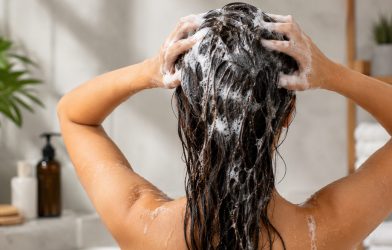
Apply shampoo primarily to the scalp and massage it gently with your fingertips. Avoid using your fingernails or pulling and twisting the hair while washing. As you rinse, the shampoo will naturally pass through the lengths of your hair.
Being gentle is particularly important if your hair is already dry, fragile, or prone to breakage.
Apply Conditioner Correctly
Conditioner helps improve softness, manageability, and the feel of the hair after washing.
For many people, the best approach is to apply conditioner mainly from the mid-lengths toward the ends, where hair tends to be older and more prone to dryness. If your scalp is oily, applying a large amount of conditioner directly to the roots may make your hair feel heavy.
Leave the conditioner on for the amount of time recommended on the product before rinsing thoroughly.
Don’t Rub Your Hair Dry
Wet hair is more vulnerable to stretching and breakage, so the way you dry it matters.
Instead of aggressively rubbing your hair with a towel, gently squeeze or pat out excess water. A soft microfiber towel or a clean, soft T-shirt can also be a gentler alternative to a rough towel.
If possible, allow your hair to air-dry partially before using a blow dryer.
Detangle Your Hair Carefully
Brushing through stubborn knots can cause unnecessary pulling and breakage.
When your hair is tangled, start at the ends and gradually work your way upward rather than dragging a brush from the roots all the way down. A wide-tooth comb or a suitable detangling brush can make the process easier.
If your hair is particularly prone to tangling, using a conditioner or leave-in product can improve slip and make detangling gentler.
Limit Heat Styling
Frequent use of blow dryers, straighteners, and curling irons can contribute to hair damage, particularly when the tools are used at very high temperatures.
Try to reduce unnecessary heat styling and use the lowest effective temperature whenever possible. A heat-protectant product can also help reduce the effects of heat exposure.
If you don’t need a perfectly styled look every day, giving your hair occasional breaks from hot tools can be a simple way to reduce unnecessary stress.
Trim Split Ends When Necessary
Regular trims can help keep your hairstyle looking neat and remove damaged, split ends. However, there isn’t a single rule that says everyone needs a haircut every six or eight weeks.
How often you need a trim depends on your hairstyle, hair growth, styling habits, and how prone your ends are to splitting. If you notice frequent split ends or your hair is becoming difficult to manage, it may be time for a trim.
Keep in mind that trimming doesn’t make hair grow faster—it simply removes damaged ends and can help maintain a healthier-looking appearance.
Protect Your Hair From the Sun
Your skin isn’t the only part of your body that can be affected by prolonged sun exposure. Hair can also become dry, faded, or more brittle after significant exposure to ultraviolet radiation.
When spending a lot of time outdoors, especially during periods of strong sunlight, consider wearing a hat or using hair products that provide UV protection. A hat has the added benefit of protecting your scalp.
Pay Attention to Your Diet
Beautiful, healthy-looking hair starts with more than your haircare products. Your body needs adequate nutrition to support normal hair growth and maintenance.
A balanced diet that includes protein, vegetables, fruits, whole grains, healthy fats, and a variety of vitamins and minerals can help provide the nutrients your body needs.
Rather than relying automatically on hair supplements, focus first on maintaining a varied and nutritious diet. If you’re experiencing significant or persistent hair loss, it’s worth discussing it with a healthcare professional because nutritional deficiencies are only one of many possible causes.
Stay Hydrated
Drinking enough fluids is important for overall health, and maintaining good hydration is part of a healthy lifestyle.
However, drinking extra water isn’t a magic solution for dry or damaged hair. Hair dryness is often more closely related to the condition of the hair shaft, environmental exposure, chemical treatments, and haircare practices.
Think of hydration as one part of your overall wellness routine rather than a standalone hair treatment.
Avoid Constantly Manipulating Your Hair
One simple habit that’s easy to overlook is how often you touch, pull, twist, or tightly tie your hair.
Repeated tension from very tight ponytails, buns, braids, or extensions can put stress on the hair. Similarly, constantly playing with your hair can contribute to unnecessary friction.
Whenever possible, choose comfortable hairstyles that don’t pull tightly on the scalp, and give your hair a break from styles that create constant tension.
Give Your Haircare Routine Time to Work
Healthy hair doesn’t happen overnight. Changing products every few days or constantly experimenting with new treatments can make it difficult to understand what actually works for you.
Instead, build a simple routine around your hair type and stick with it consistently. Clean your scalp appropriately, condition the lengths and ends, handle wet hair gently, minimize unnecessary heat, and protect your hair from environmental stress.
Most importantly, remember that healthy hair doesn’t have to look perfectly smooth or shiny every day. Hair texture varies naturally, and the goal should be to keep your hair and scalp well cared for rather than chasing an unrealistic idea of perfection.
Final Thoughts
Good haircare doesn’t have to be complicated. Small, consistent habits—washing appropriately, conditioning regularly, minimizing heat damage, detangling gently, protecting your hair from the sun, and maintaining a balanced diet—can all contribute to healthier-looking hair over time.
The best routine is the one that fits your hair type, scalp, lifestyle, and needs. Pay attention to how your hair responds, make adjustments when necessary, and focus on gentle care rather than trying to follow a rigid set of rules.