

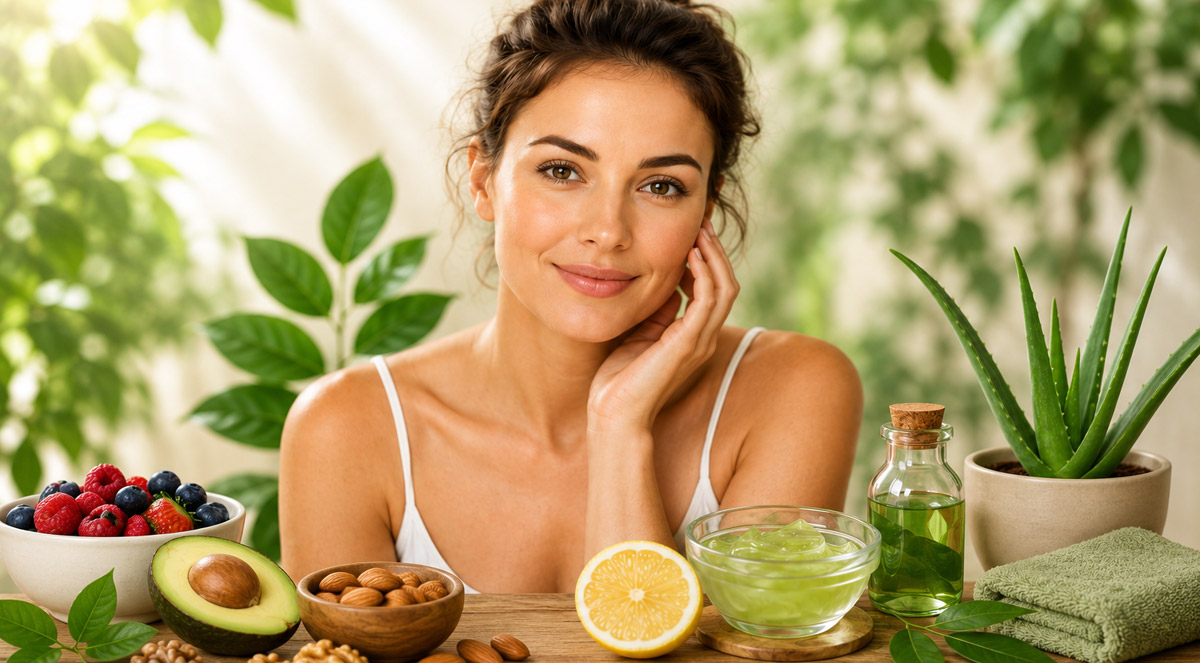
Skin aging is a natural part of life, but that doesn’t mean you can’t support your skin as it changes. Over time, the skin gradually becomes thinner, drier, and less elastic. Fine lines, wrinkles, uneven pigmentation, and changes in texture can also become more noticeable.
While no natural remedy can stop the aging process completely, healthy lifestyle habits and simple skincare practices can help your skin maintain a healthy, fresh appearance.
The good news is that you don’t necessarily need an elaborate routine. Some of the most effective natural skin aging remedies involve everyday habits such as protecting your skin from the sun, eating nutrient-rich foods, staying hydrated, sleeping well, and using gentle moisturizing ingredients.
Here are some simple ways to support healthy-looking skin naturally.
1. Protect Your Skin From the Sun
One of the most important things you can do for your skin is to protect it from excessive sun exposure.
Ultraviolet (UV) radiation contributes significantly to premature skin aging. Repeated exposure can contribute to wrinkles, loss of elasticity, and uneven skin tone.
Make sun protection part of your everyday skincare routine. Wear protective clothing, seek shade when the sun is strongest, and use a broad-spectrum sunscreen when spending time outdoors.
If you’re looking for one habit with long-term benefits for your skin, daily sun protection should be near the top of the list.
2. Eat More Antioxidant-Rich Foods
Your diet can play an important role in maintaining healthy skin.
Fruits and vegetables provide antioxidants and other nutrients that help support the body’s natural defenses against oxidative stress. Colorful foods are particularly useful because they contain a variety of beneficial plant compounds.

Try adding more foods such as:
- Berries
- Citrus fruits
- Tomatoes
- Leafy green vegetables
- Bell peppers
- Carrots
- Broccoli
- Nuts and seeds
A varied diet rich in whole foods is generally more beneficial than relying on a single “superfood” for healthier skin.
3. Don’t Forget Healthy Fats
Healthy fats are another important part of a balanced diet and may support the skin’s natural barrier.
Foods containing omega-3 fatty acids include fatty fish such as salmon, sardines, and mackerel. Plant sources include walnuts, chia seeds, and flaxseeds.
Including healthy sources of fat in your meals can contribute to overall nutrition while supporting normal skin function.
4. Keep Your Skin Hydrated
Dry skin can make fine lines appear more noticeable and can leave the skin feeling tight or uncomfortable.
Drinking enough fluids throughout the day helps support normal hydration, while a good moisturizer can help reduce water loss from the skin.
For topical skincare, look for gentle moisturizing ingredients such as aloe vera, glycerin, hyaluronic acid, or ceramides. These ingredients can help the skin retain moisture and maintain a healthier-looking appearance.
Remember that more products don’t necessarily mean better results. A simple, consistent routine can be easier to maintain.
5. Try Aloe Vera for Soothing Hydration
Aloe vera has long been used in skincare because of its soothing and moisturizing properties.
Aloe-based products may be particularly useful when the skin feels dry or irritated. Choose products formulated for facial skin and avoid applying anything that causes burning, itching, or irritation.
Natural doesn’t automatically mean irritation-free, so it’s always a good idea to test a new skincare product on a small area first.
6. Get Enough Quality Sleep
Your nighttime routine isn’t only about skincare products. Sleep is also important for overall health and may influence how your skin looks and feels.
During sleep, the body carries out important repair and maintenance processes. Consistently getting enough sleep can support general well-being and help you look more refreshed.
Aim for a regular sleep schedule and create a relaxing bedtime routine. Limiting excessive screen time before bed, keeping your bedroom comfortable, and avoiding large meals immediately before sleeping may also help support better sleep.
7. Avoid Smoking
Smoking can accelerate visible skin aging and contribute to wrinkles and a duller complexion.
Tobacco smoke exposes the body to substances that can damage collagen and elastin, proteins that help provide structure and elasticity to the skin.
If you smoke, quitting is one of the most beneficial things you can do for your overall health — and your skin can benefit too.
8. Keep Your Skincare Routine Gentle
As skin changes with age, it may become more sensitive or prone to dryness. Using harsh cleansers, excessive exfoliation, or too many active ingredients can potentially irritate the skin.
A simple routine can be enough:
Morning:
Gentle cleanser → moisturizer → sunscreen
Evening:
Gentle cleanser → moisturizer
You can add other products depending on your specific skin concerns, but introducing several new products at once can make it difficult to determine what works for you.
9. Consider Green Tea
Green tea contains polyphenols and other antioxidant compounds that have attracted considerable interest in skincare research.
Drinking unsweetened green tea can be part of a healthy diet, while some skincare products contain green tea extracts.
However, it’s important to keep expectations realistic. Green tea isn’t a magic anti-aging treatment, but it can be one small part of a broader healthy lifestyle and skincare routine.
10. Manage Everyday Stress
Chronic stress can affect many aspects of health, including sleep and general well-being. When you’re constantly stressed, maintaining healthy habits can also become more difficult.
Finding simple ways to relax may indirectly support healthier-looking skin by helping you maintain better sleep, nutrition, and self-care habits.
Try activities such as walking, stretching, meditation, reading, spending time outdoors, or simply taking a few minutes away from your phone and other distractions.
11. Don’t Overlook Regular Exercise
Exercise is another natural habit worth including in an overall healthy-aging routine.
Regular physical activity supports cardiovascular health, mood, sleep, and overall fitness. These benefits contribute to general well-being, which is closely connected to how you feel and look.
You don’t need an intense workout every day. Walking, cycling, swimming, strength training, and other activities you enjoy can all be useful ways to stay active.
12. Be Careful With DIY Anti-Aging Remedies
The internet is full of homemade skincare recipes promising younger-looking skin. However, “natural” ingredients aren’t automatically safe for your face.
Ingredients such as lemon juice, baking soda, undiluted essential oils, or rough scrubs can irritate the skin and potentially make certain skin concerns worse.
Instead of experimenting with harsh kitchen ingredients, choose gentle skincare products with ingredients that have been specifically formulated and tested for use on skin.
Can Natural Remedies Really Reverse Skin Aging?
It’s important to have realistic expectations.
Natural skin aging remedies cannot reverse aging or permanently remove wrinkles. What they can do is support healthier skin and potentially reduce some factors associated with premature visible aging.
Sun protection, a nutritious diet, adequate sleep, regular exercise, avoiding smoking, gentle skincare, and consistent moisturizing can all contribute to healthier-looking skin over time.
Consistency is usually much more important than searching for a single miracle ingredient.
When Should You See a Dermatologist?
Natural skincare can be helpful for general skin maintenance, but some concerns require professional advice.
Consider speaking with a dermatologist if you develop a new or changing mole, persistent rash, unusual pigmentation, unexplained changes in your skin, or a concern that doesn’t improve with basic skincare.
A dermatologist can also help you understand which evidence-based treatments may be appropriate if you’re specifically concerned about wrinkles, pigmentation, loss of elasticity, or other signs of aging.
Final Thoughts
Aging skin doesn’t need to be something you constantly fight. Instead, think about supporting your skin as it changes.
The most effective natural skin aging remedies are often simple habits rather than complicated treatments: protect your skin from the sun, eat a varied nutrient-rich diet, stay hydrated, sleep well, exercise regularly, avoid smoking, and use gentle skincare products.
You don’t need a shelf full of expensive products to take good care of your skin. A consistent routine and healthy lifestyle can go a long way toward helping your skin look and feel its best at every age.
Frequently Asked Questions
What is the best natural remedy for aging skin?
There isn’t one single natural remedy that can stop skin aging. Daily sun protection, a nutritious diet, adequate sleep, hydration, avoiding smoking, and gentle skincare are among the most useful habits for supporting healthy-looking skin.
How can I make my aging skin look younger naturally?
Focus on protecting your skin from UV exposure, moisturizing regularly, eating plenty of fruits and vegetables, staying active, sleeping well, and avoiding smoking. These habits can support healthier-looking skin without relying on extreme treatments.
Can aloe vera reduce wrinkles?
Aloe vera can help moisturize and soothe the skin, which may make dry skin appear smoother. However, it should not be considered a proven treatment for removing wrinkles.
What foods are good for aging skin?
A varied diet containing fruits, vegetables, nuts, seeds, whole grains, and healthy sources of protein and fats can provide nutrients important for overall skin health. Foods rich in antioxidants and omega-3 fatty acids can be particularly useful additions to a balanced diet.
Can drinking water prevent wrinkles?
Adequate hydration is important for overall health and helps maintain normal skin function. However, drinking extra water beyond your body’s needs isn’t a proven way to prevent or eliminate wrinkles.
Is natural skincare better for aging skin?
Not necessarily. Some natural ingredients can be beneficial, but others can irritate the skin. The most important factors are whether a product is safe, gentle, appropriate for your skin type, and supported by good evidence.