

In a world where work, responsibilities, and digital distractions often fill our days, finding time for activities we genuinely enjoy can make a meaningful difference in our overall well-being. Hobbies are more than just ways to pass the time. They can help us stay active, reduce stress, develop new skills, connect with others, and discover parts of ourselves that often get overlooked.
Whether you enjoy gardening, photography, cooking, reading, painting, or playing sports, the activities you choose in your free time can influence your lifestyle in surprisingly positive ways.
Let’s explore how hobbies contribute to a healthier, happier, and more balanced life.
1. Hobbies Can Improve Physical Health
Some hobbies naturally encourage movement and physical activity. Hiking, cycling, swimming, dancing, gardening, and recreational sports can all help you stay active while doing something enjoyable.
Regular physical activity supports cardiovascular health, muscle strength, flexibility, and endurance. It can also help improve sleep and contribute to maintaining a healthy weight.
One of the biggest advantages of choosing an active hobby is that exercise becomes something you look forward to rather than another task on your to-do list.
Even a simple activity, such as taking nature photographs during a walk, can encourage you to spend more time outdoors and move throughout the day.
2. Hobbies Support Mental and Emotional Well-Being
Daily life can bring stress from work, family responsibilities, finances, and other challenges. Having a hobby gives your mind an opportunity to focus on something enjoyable and different from your usual routine.
Creative activities such as painting, writing, playing music, and crafting can provide an outlet for self-expression. Meanwhile, gardening, reading, cooking, and spending time in nature may help some people relax and feel more present.
Hobbies can also create a sense of accomplishment and personal satisfaction, which may support emotional well-being.

However, hobbies are not a substitute for professional mental health care. If you’re experiencing persistent anxiety, depression, or overwhelming stress, speaking with a qualified professional can be an important step.
3. Hobbies Help You Develop Better Time Management Skills
Finding time for a hobby can be challenging when your schedule is already full. However, making space for activities you enjoy can encourage you to become more intentional with your time.
For example, setting aside 30 minutes in the evening for reading or dedicating one afternoon a week to photography can help you establish a routine that includes both responsibilities and personal interests.
Over time, you may become better at prioritizing tasks, organizing your schedule, and recognizing the importance of taking breaks.
The goal isn’t to fill every free moment with another activity. Instead, it’s about creating a healthier balance between productivity and personal enjoyment.
4. Hobbies Create Opportunities for Social Connections
Although many hobbies can be enjoyed alone, others provide excellent opportunities to meet people and build relationships.
Joining a book club, attending a pottery class, participating in a hiking group, or taking part in a recreational sports team can introduce you to people with similar interests.
Shared activities often make it easier to start conversations and develop friendships naturally. You can exchange ideas, learn from others, and enjoy a sense of belonging.
Even online communities centered around hobbies can help people connect, although in-person activities offer additional opportunities for face-to-face interaction.
5. Hobbies Encourage Personal Growth and Learning
A hobby can be an excellent way to learn something new outside your professional or academic responsibilities.
Perhaps you’ve always wanted to learn a musical instrument, improve your photography skills, try a new language, or understand how to grow your own vegetables. A hobby gives you the freedom to explore these interests at your own pace.
Learning new skills can strengthen creativity, patience, problem-solving, and concentration. It can also encourage curiosity and help you discover abilities you didn’t know you had.
The best part is that you don’t need to become an expert. Simply making progress and enjoying the learning process can be rewarding.
6. Hobbies Provide a Sense of Achievement
Small accomplishments can have a surprisingly positive effect on motivation and self-confidence.
Finishing a painting, completing a challenging hike, preparing a new recipe, growing your first vegetables, or learning a song on the guitar can all provide a sense of achievement.
These moments remind us that progress often comes through practice and patience. They also give us something positive to look forward to, especially during periods when other parts of life feel repetitive or stressful.
A hobby doesn’t have to produce impressive results to be worthwhile. Sometimes, the satisfaction comes simply from trying something new.
7. Hobbies Can Improve Work-Life Balance
When work and daily responsibilities take up most of your time, it can be easy to neglect your own interests. Over time, this may leave you feeling mentally exhausted or disconnected from the activities that bring you joy.
Making time for hobbies can help create a clearer separation between work and personal life.
For example, spending an evening cooking, taking a weekend cycling trip, or practicing a creative skill can give you something enjoyable to focus on outside your professional responsibilities.
Hobbies won’t eliminate every source of stress, but they can provide opportunities for recovery, relaxation, and personal fulfillment.
A balanced lifestyle isn’t about being productive every minute. It’s also about making room for things that make life meaningful.
8. Hobbies Allow for Self-Expression and Personal Identity
The hobbies we choose often reflect our interests, values, and personalities.
Someone who enjoys painting may appreciate creativity and visual expression. A person who loves hiking may feel connected to nature and adventure. Someone who enjoys cooking may find satisfaction in experimenting with flavors and sharing meals with others.
Hobbies allow us to explore these interests without the pressure of professional expectations or external judgment.
They can also help us discover new aspects of our identity as our interests change throughout life.
Whether you’re learning a traditional craft, experimenting with photography, or collecting books, your hobbies can become an important part of what makes you unique.
9. Hobbies Can Encourage Healthier Daily Habits
Certain hobbies naturally support routines that benefit your overall lifestyle.
Gardening may encourage you to spend more time outdoors. Cooking can motivate you to prepare meals at home and experiment with nutritious ingredients. Hiking can inspire you to be more physically active, while reading before bed may become a relaxing alternative to spending time on your phone.
Of course, not every hobby automatically leads to healthier habits. The key is choosing activities that complement your personal goals and make your everyday life more enjoyable.
Small, consistent habits can often have a greater impact than occasional bursts of enthusiasm.
10. Hobbies Give You Something to Look Forward To
Having an enjoyable activity on your calendar can add excitement and variety to your week.
When life becomes repetitive, looking forward to a pottery class, a weekend hike, a cooking project, or an evening with a favorite book can provide a welcome change of pace.
These moments of anticipation can make everyday life feel more rewarding.
Hobbies also give you opportunities to step away from routine responsibilities and reconnect with your interests, even if only for a short time.
Popular Hobbies to Explore
There are countless hobbies to choose from, and the best option depends on your interests, available time, budget, and lifestyle. Here are some activities worth exploring.
Gardening
Gardening has become a popular way to connect with nature and create something meaningful at home. Growing herbs, vegetables, flowers, or indoor plants can be relaxing and rewarding.
It also provides an opportunity to learn about plants, spend time outdoors, and develop a greater appreciation for where food comes from.
You don’t need a large garden to get started. A few pots on a balcony or windowsill can be enough.
Cooking and Baking
Cooking and baking combine creativity, practical skills, and enjoyment. Trying new recipes can make everyday meals more interesting and encourage you to experiment with fresh ingredients.
Preparing food at home can also help you become more familiar with nutrition and portion sizes.
Whether you’re learning to bake bread or preparing a simple healthy dinner, cooking can be both a useful skill and an enjoyable hobby.
DIY Crafts and Handmade Projects
DIY crafts offer a chance to create something with your own hands. Popular options include knitting, sewing, woodworking, jewelry-making, painting, and home decoration.
These activities can encourage creativity and patience while giving you the satisfaction of completing a tangible project.
They can also be a great way to personalize your living space or create thoughtful handmade gifts.
Fitness and Outdoor Activities
For people who enjoy movement and adventure, outdoor hobbies can be a wonderful choice.
Hiking, cycling, swimming, running, kayaking, and recreational sports provide opportunities to stay active while exploring new environments.
Spending time outdoors may also help you take a break from screens and enjoy a change of scenery.
Home Workouts and Online Fitness Classes
Not everyone has the time, budget, or desire to visit a gym. Home workouts offer a convenient alternative.
Yoga, Pilates, strength training, dancing, and mobility exercises can be practiced at home with little or no equipment.
Online classes and fitness videos can also provide structure and inspiration for beginners.
The most important factor is choosing an activity that suits your abilities and that you can enjoy consistently.
Reading and Book Clubs
Reading is a simple hobby that can fit into almost any schedule. Books can introduce you to new ideas, different cultures, fascinating stories, and useful knowledge.
Joining a book club adds a social element to the experience and creates opportunities to discuss ideas with other readers.
Even reading a few pages before bed can become a relaxing part of your daily routine.
Art and Creative Expression
Drawing, painting, photography, pottery, writing, and other creative activities allow you to explore your imagination.
You don’t need formal training or expensive equipment to begin. Many creative hobbies can be practiced with basic materials and improved through regular experimentation.
The process itself can be rewarding, regardless of the final result.
Music and Musical Instruments
Learning to play an instrument, sing, or create music can be both challenging and enjoyable.
Music-related hobbies encourage practice, concentration, and creativity. They can also provide a meaningful way to express emotions and connect with others.
Beginners can take advantage of online lessons, tutorials, and local classes to develop their skills.
Sustainable and Eco-Friendly Hobbies
As more people become interested in environmental responsibility, hobbies that support sustainable living are worth exploring.
Composting, upcycling, repairing household items, growing food, and creating reusable products can all be practical and rewarding activities.
These hobbies may help reduce waste while encouraging a more thoughtful approach to everyday consumption.
Technology, Coding, and Digital Creativity
Technology-related hobbies offer opportunities to learn useful skills and explore creative ideas.
Coding, website creation, digital illustration, video editing, electronics, and photography can all become rewarding long-term interests.
Many free or affordable online resources are available for beginners who want to experiment with technology at their own pace.
Why Pottery Is Becoming a Popular Hobby
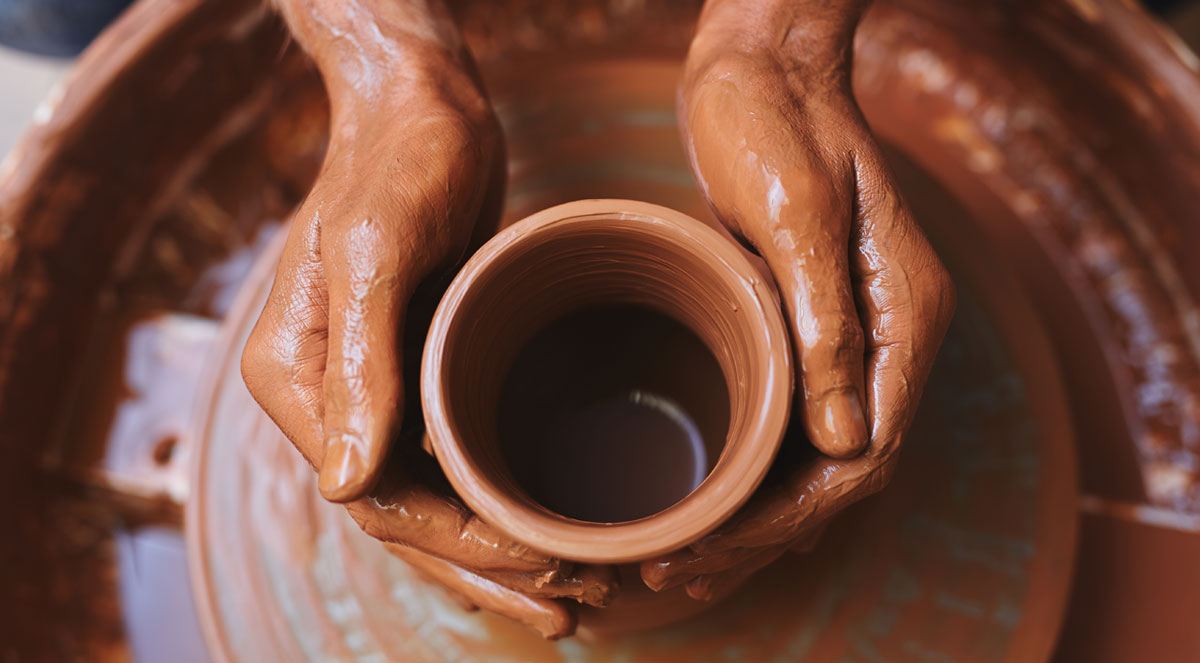
Among the many creative hobbies people can explore, pottery offers a unique combination of artistic expression, hands-on learning, and relaxation.
Working with clay allows you to create something tangible while learning techniques that require patience, concentration, and practice.
From simple hand-built bowls to carefully shaped vases, pottery provides endless opportunities to experiment.
Here’s why this traditional craft continues to attract new enthusiasts.
Pottery Encourages Relaxation and Mindful Focus
Working with clay requires attention. Whether you’re shaping a piece by hand or learning to use a pottery wheel, the process encourages you to focus on what you’re doing.
This type of hands-on activity can provide a welcome break from digital screens and everyday distractions.
Many people find repetitive creative tasks relaxing, although the experience can vary from person to person.
Pottery isn’t a guaranteed treatment for stress or anxiety, but it can be a pleasant way to spend time and engage in a creative process.
Pottery Offers Endless Opportunities for Creativity
One of the most appealing aspects of pottery is the freedom to experiment.
You can explore different shapes, textures, colors, patterns, and glazing techniques. Each piece offers an opportunity to try something new.
Even when a project doesn’t turn out as planned, the experience can teach you valuable lessons about materials, design, and technique.
Over time, you may develop your own artistic style and discover what kinds of pottery you enjoy creating most.
Pottery Helps Build a Sense of Community
Pottery classes and studios often bring together people of different ages and backgrounds who share an interest in working with clay.
Beginners can learn from instructors, exchange ideas with other students, and gain encouragement as they develop their skills.
The social side of pottery can make the learning process even more enjoyable.
For people looking to meet others while exploring a creative activity, a local pottery class may be a great place to start.
Pottery Connects Creativity With Handmade Living
In a world filled with mass-produced products, handmade objects often have a special appeal.
Creating a cup, bowl, vase, or decorative piece yourself can give the object a personal meaning that store-bought items may not have.
Pottery can also encourage a greater appreciation for craftsmanship, traditional techniques, and the time involved in producing handmade goods.
However, it’s worth remembering that pottery requires materials, water, energy, and often kiln firing. Choosing durable pieces and learning responsible studio practices can help make the hobby more environmentally conscious.
Pottery Fits Into the Growing Maker Movement
The maker movement has encouraged people to explore practical skills, creative experimentation, and hands-on projects.
Pottery fits naturally into this culture because it combines traditional craftsmanship with personal creativity.
Beginners can start with hand-building techniques, which often require less equipment than wheel throwing. As their interest develops, they may choose to explore pottery wheels, glazing, and more advanced methods.
The learning process can be just as rewarding as the finished product.
Learning Pottery Is More Accessible Than Ever
You don’t necessarily need to invest in expensive equipment to try pottery.
Many studios offer beginner classes, workshops, and short courses that allow people to work with clay under the guidance of an instructor.
Online tutorials can also introduce you to basic techniques, although proper instruction is especially valuable when learning about kiln operation, glazes, and studio safety.
If you’re interested in trying pottery, a beginner-friendly class can be a practical way to discover whether the hobby suits you.
How to Choose the Right Hobby for Your Lifestyle
With so many possibilities, choosing a hobby can feel overwhelming. The best approach is to start with your interests and the amount of time you realistically have available.
Ask yourself what you enjoy doing, what you’ve always wanted to learn, and whether you’d prefer an activity that keeps you active, encourages creativity, or helps you relax.
Your budget and available space also matter. Reading, walking, writing, and drawing can be inexpensive hobbies, while activities such as pottery, cycling, or photography may require more equipment or access to specialized facilities.
You should also consider whether you prefer spending time alone or participating in group activities.
Most importantly, don’t feel pressured to be exceptionally good at your hobby. A hobby is valuable because it brings enjoyment, curiosity, or fulfillment into your life—not because you have to turn it into an achievement.
Final Thoughts
Hobbies can play an important role in creating a more balanced and fulfilling lifestyle. They offer opportunities to stay active, reduce everyday stress, learn new skills, connect with others, and express your individuality.
Whether you choose gardening, cooking, reading, fitness, music, or pottery, the most important thing is to find an activity that genuinely brings you joy.
You don’t need to dedicate hours every day to make a hobby part of your life. Even a small amount of time spent doing something you love can make your routine feel more meaningful.
So, what hobby have you always wanted to try? Perhaps now is the perfect time to give it a chance.