

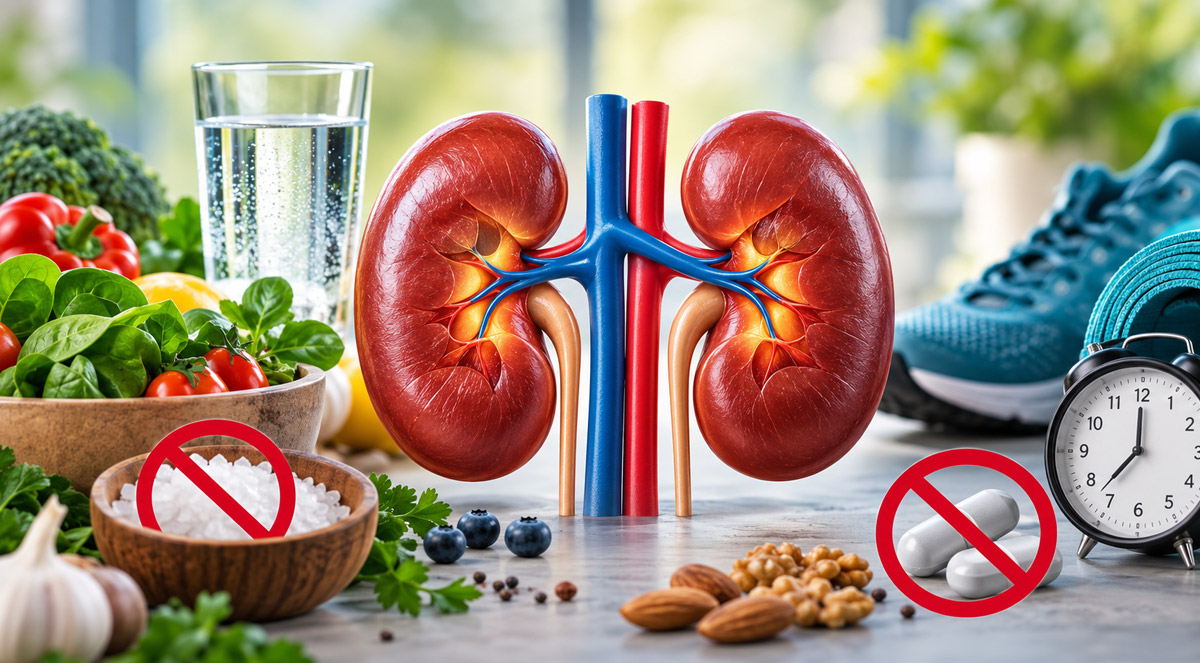
Your kidneys work quietly around the clock to keep your body healthy. These two small organs filter waste and excess fluids from your blood, help regulate blood pressure and fluid balance, and play an important role in maintaining the body’s overall internal balance.
Because kidney problems can develop gradually, it’s easy to overlook the everyday habits that may put unnecessary stress on these vital organs. The good news is that many kidney-damaging habits can be changed with simple adjustments to your daily routine.
Here are 10 common habits that may negatively affect kidney health.
1. Eating Too Much Salt
A diet high in sodium can contribute to high blood pressure, which is one of the major risk factors for kidney disease. Too much salt may also increase the amount of calcium excreted in urine, potentially contributing to kidney stone formation in susceptible people.
Instead of relying heavily on salty foods, try flavoring meals with herbs, spices, garlic, lemon, or other natural seasonings.
2. Eating Too Many Processed Foods
Processed and packaged foods can be convenient, but many contain high amounts of sodium, phosphorus additives, saturated fat, and added sugars.
Regularly eating large amounts of highly processed foods may contribute to health problems such as high blood pressure, diabetes, and obesity, all of which can increase the risk of kidney disease.
Choosing more fresh vegetables, fruits, whole grains, and minimally processed foods can be a simple way to support your overall health.
3. Not Getting Enough Sleep
Sleep is important for virtually every system in the body, including the kidneys. Your kidneys follow a daily rhythm that is influenced by the body’s sleep-wake cycle.
Consistently getting too little sleep may interfere with this rhythm and has been associated with a higher risk of health problems that can affect kidney function.

Aim for a regular sleep schedule and give your body enough time to recover each night.
4. Smoking Cigarettes
Smoking doesn’t only damage the lungs. It can also affect the cardiovascular system and blood vessels, potentially reducing healthy blood flow to the kidneys.
Smoking is also associated with an increased risk of kidney cancer. Quitting smoking is therefore one of the most valuable steps you can take for your overall health.
5. Drinking Too Much Alcohol
Occasional alcohol consumption may not cause problems for most healthy adults, but heavy or frequent drinking can put considerable stress on the body.
Excessive alcohol intake can contribute to high blood pressure and dehydration and may interfere with normal organ function. Over time, these effects can increase the strain placed on the kidneys.
Moderation is important, and people with existing kidney problems should discuss alcohol consumption with their healthcare professional.
6. Being Too Sedentary
Regular physical activity supports cardiovascular health, healthy blood pressure, and a healthy body weight—all of which are important for kidney health.
A consistently sedentary lifestyle can increase the risk of obesity, high blood pressure, and type 2 diabetes. These conditions can, in turn, increase the risk of kidney damage.
You don’t necessarily need intense workouts to become more active. Walking, cycling, swimming, stretching, and other forms of moderate activity can all contribute to a healthier lifestyle.
7. Eating Excessive Amounts of Protein
Protein is an essential nutrient needed for growth, tissue repair, and many other functions. However, people with certain kidney conditions may need to limit their protein intake because processing protein creates waste products that the kidneys must remove.
High-protein diets aren’t necessarily harmful to everyone with healthy kidneys, so it’s better to avoid blanket claims that protein itself damages the kidneys. If you have kidney disease or are considering a high-protein diet, speak with a healthcare professional about the amount that’s appropriate for you.
8. Not Drinking Enough Water
Adequate hydration helps the kidneys remove waste products from the body and supports normal kidney function.
Becoming dehydrated occasionally may not cause lasting harm in a healthy person, but repeated or severe dehydration can place additional stress on the kidneys and may increase the risk of kidney stones.
Rather than following a rigid amount of water that applies to everyone, drink regularly throughout the day and pay attention to your body’s hydration needs. Your fluid requirements can vary depending on your activity level, climate, diet, and health.
9. Overusing Painkillers
Over-the-counter pain relievers can be useful when taken correctly, but excessive or prolonged use of certain medications can damage the kidneys.
Nonsteroidal anti-inflammatory drugs (NSAIDs), such as ibuprofen and naproxen, can reduce blood flow to the kidneys and may cause kidney problems in some people, particularly when taken in high doses or when combined with dehydration or certain medical conditions.
Always follow the recommended dosage and speak with a healthcare professional if you find yourself needing pain medication frequently.
10. Exercising Too Intensely Without Adequate Recovery
Exercise is generally beneficial for kidney and overall health, but extreme physical exertion can occasionally create serious problems.
Very intense exercise, particularly when combined with dehydration or inadequate recovery, can cause severe muscle breakdown known as rhabdomyolysis. This condition releases muscle proteins and other substances into the bloodstream that can place significant stress on the kidneys.
Rest and recovery are therefore just as important as training. Increase exercise intensity gradually, stay properly hydrated, and give your muscles enough time to recover between demanding workouts.
Give Your Kidneys the Support They Deserve
Your kidneys perform essential jobs every day, and many of the habits that support kidney health are the same habits that benefit your heart, blood vessels, metabolism, and overall well-being.
Eating a balanced diet, staying physically active, getting enough sleep, avoiding tobacco, staying adequately hydrated, and using medications responsibly can all contribute to healthier kidneys.
It’s also important to remember that kidney disease may develop without obvious symptoms in its early stages. If you have diabetes, high blood pressure, a family history of kidney disease, or other risk factors, regular medical checkups and appropriate kidney-function testing can help detect problems early.
Taking care of your kidneys doesn’t require perfection. Small, consistent changes to your everyday habits can make a meaningful difference over time.