
Healthy-looking hair isn’t just about shine and softness. Strong hair is also less likely to snap, become brittle, or develop split ends. Unfortunately, everyday habits such as frequent heat styling, rough brushing, tight hairstyles, and excessive washing can gradually weaken the hair shaft.
The good news is that a few simple changes to your haircare routine can help reduce damage and keep your hair looking healthier. Here are 10 practical ways to prevent hair breakage and split ends.
1. Be Gentle When Brushing Your Hair
One of the easiest ways to cause unnecessary hair breakage is brushing too aggressively, especially when the hair is wet. Wet hair is more fragile and stretches more easily, making it particularly vulnerable to snapping.
Use a wide-tooth comb or a gentle detangling brush and work through knots gradually. Start near the ends and slowly work your way upward instead of pulling a brush from the roots to the ends.
2. Limit Heat Styling
Hair dryers, straighteners, and curling irons can make styling easier, but frequent exposure to high temperatures can weaken the hair’s structure and contribute to dryness and breakage.
Try to reduce how often you use hot styling tools. When you do use them, apply a heat-protective product beforehand and choose a moderate temperature rather than the highest setting.
Allowing your hair to air-dry whenever practical can also help reduce unnecessary heat exposure.
3. Don’t Overwash Your Hair
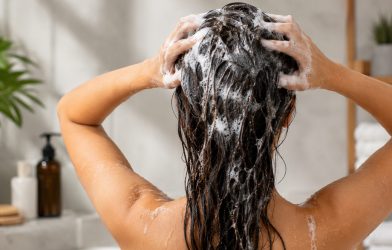
Washing your hair is important for keeping the scalp clean, but washing too frequently can remove some of the natural oils that help keep the hair moisturized and protected.
How often you should wash your hair depends on your hair type, scalp, lifestyle, and how oily your hair becomes. Instead of following a strict schedule, pay attention to how your scalp and hair respond.
Choose a gentle shampoo and concentrate on cleansing the scalp rather than repeatedly scrubbing the lengths of your hair.

4. Use Conditioner Regularly
Conditioner helps improve softness, manageability, and moisture, which can make hair less prone to tangling and mechanical damage.
Apply conditioner mainly to the mid-lengths and ends, where the hair is generally older and more exposed to damage. If your hair is particularly dry or prone to breakage, a deep-conditioning treatment used occasionally may also be helpful.
5. Avoid Very Tight Hairstyles
Ponytails, buns, braids, and other hairstyles can look great, but wearing hair tightly pulled back on a regular basis can place repeated tension on the hair.
Try varying your hairstyles and avoid constantly securing your hair in exactly the same place. Choose soft hair ties without rough or exposed components that can catch and pull on individual strands.
Giving your hair occasional breaks from tight styles can help reduce unnecessary stress.
6. Be Careful When Drying Your Hair
Rubbing wet hair vigorously with a regular bath towel can create friction and contribute to tangling and breakage.
Instead, gently squeeze excess water from your hair and pat or wrap it carefully. A soft microfiber towel can be a useful alternative for reducing friction.
It’s also best to avoid aggressively brushing or combing the hair while it is soaking wet.
7. Protect Your Hair From the Sun
Your hair can be affected by prolonged exposure to sunlight, particularly when combined with heat, dryness, swimming, or chemical treatments.
If you’re spending a long time outdoors, consider wearing a hat or using hair products designed to provide UV protection. Keeping your hair conditioned can also help maintain its softness and manageability.
8. Be Careful With Chemical Treatments
Hair coloring, bleaching, relaxing, and perming can change the structure of the hair. Frequent or aggressive chemical treatments may leave hair dry, fragile, and more susceptible to breakage.
If you regularly color or chemically treat your hair, give it time between treatments and follow the product’s instructions carefully. Conditioning and minimizing additional sources of damage can also help protect treated hair.
9. Get Regular Trims
Once a split end develops, the damaged section of the hair shaft cannot truly be restored to its original condition. Hair products may temporarily make split ends look smoother, but trimming is the most reliable way to remove them.
Regular trims can help prevent existing splits from traveling farther up the hair shaft. How often you need a trim depends on your hair type, length, styling habits, and how quickly you notice split ends.
10. Pay Attention to Your Overall Nutrition
Hair is made from a protein called keratin, so adequate nutrition is important for normal hair growth and maintenance.
A balanced diet containing sufficient protein, fruits, vegetables, whole grains, and healthy fats can help provide the nutrients your body needs. Nutritional deficiencies can sometimes contribute to hair problems, so persistent or significant hair changes are worth discussing with a healthcare professional rather than simply relying on supplements.
What Causes Hair Breakage and Split Ends?
Hair breakage occurs when strands become weak enough to snap. Split ends happen when the protective outer layer of a hair strand becomes damaged, and the end begins to separate.
Common contributors include frequent heat styling, bleaching and chemical treatments, excessive friction, rough brushing, tight hairstyles, dryness, and environmental exposure.
The longer hair grows, the more wear and tear it has experienced, which is one reason the ends are often more vulnerable to damage than the roots.
Can Split Ends Be Repaired?
Unfortunately, a split hair cannot be permanently “glued” back together. Some conditioners, oils, and styling products can temporarily coat the hair and make damaged ends appear smoother, but this doesn’t reverse the structural damage.
The best approach is prevention and regular trimming. Reducing heat, friction, chemical damage, and dryness can help minimize the development of new split ends.
The Bottom Line
Preventing hair breakage and split ends doesn’t require an elaborate haircare routine. Being gentler with your hair, limiting excessive heat, conditioning regularly, avoiding overly tight hairstyles, protecting your hair from environmental damage, and getting occasional trims can make a meaningful difference.
Remember that healthy hair care is less about finding one miracle product and more about consistently reducing the everyday damage your hair experiences. With a little patience and the right habits, you can help your hair stay stronger, smoother, and healthier-looking over time.