

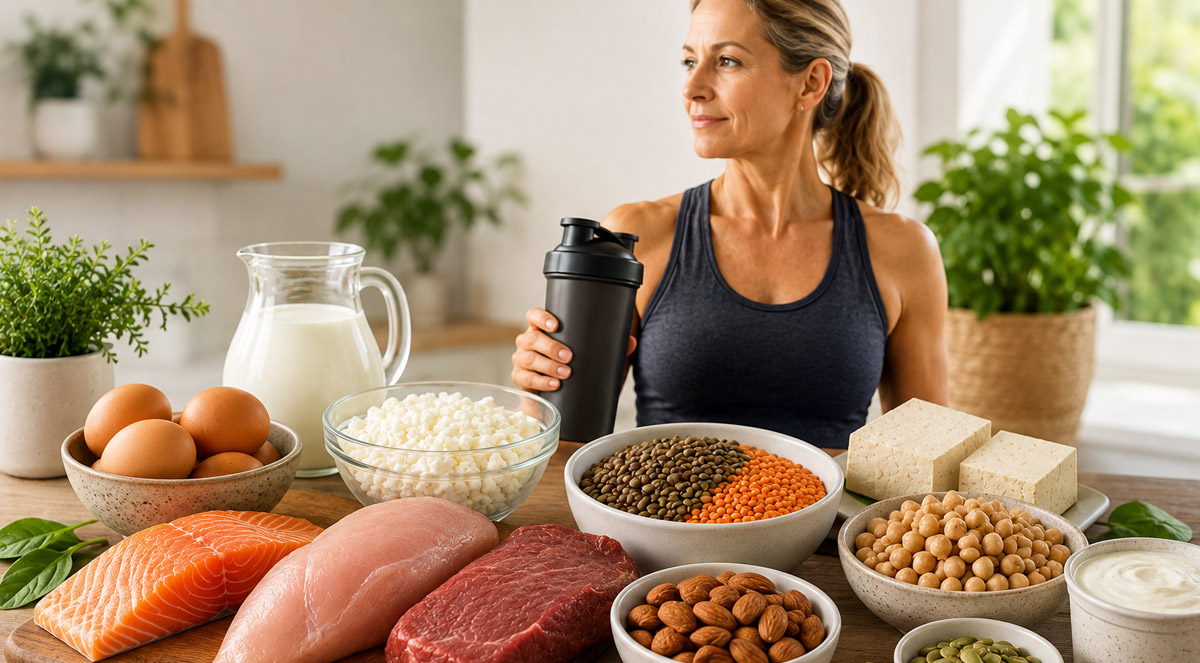
As we age, our bodies naturally go through changes that affect muscle mass, metabolism, bone health, and recovery. While regular exercise remains essential, nutrition plays an equally important role—and protein is one of the most critical nutrients for healthy aging.
Many adults don’t realize that the amount of protein that worked in their twenties and thirties may no longer be enough after the age of 40. Consuming adequate, high-quality protein can help preserve muscle, maintain strength, support weight management, and promote overall well-being.
Let’s explore why protein deserves more attention after 40 and how you can make sure you’re getting enough every day.
Why Protein Needs Increase With Age
Beginning in our thirties, muscle mass gradually declines in a process known as age-related muscle loss (sarcopenia). This decline accelerates after the age of 40 and becomes even more noticeable after 60.
At the same time, the body becomes less efficient at using dietary protein to build and repair muscle. This means older adults often require more protein—not less—to achieve the same benefits.
Adequate protein intake helps:
- Preserve lean muscle mass
- Maintain strength and mobility
- Support metabolism
- Improve recovery after exercise
- Promote healthy immune function
- Support skin, hair, and nail health
Combined with regular strength training, protein can significantly slow many of the physical changes associated with aging.
Protein Helps Prevent Muscle Loss
One of the biggest health concerns after 40 is losing muscle while gaining body fat.
Muscle isn’t just important for appearance—it affects nearly every aspect of health, including balance, posture, mobility, and metabolic rate.
Because muscle tissue burns more calories than fat, maintaining muscle also helps prevent the gradual slowing of metabolism that many people experience with age.

Eating enough protein throughout the day provides the building blocks your muscles need for maintenance and repair.
Protein Supports Healthy Weight Management
Many adults notice that losing weight becomes more difficult after 40. Hormonal changes, lower activity levels, and slower metabolism all contribute.
Protein can help by:
- Increasing feelings of fullness
- Reducing hunger between meals
- Helping preserve muscle during weight loss
- Slightly increasing calorie burn through digestion
Meals rich in protein often make it easier to control portions naturally without feeling deprived.
Strong Bones Need Protein Too
Calcium and vitamin D usually receive most of the attention when discussing bone health, but protein also plays a vital role.
Bones are made of both minerals and protein. Research suggests that adequate protein intake supports bone strength, particularly when paired with sufficient calcium and resistance exercise.
Maintaining muscle also reduces the risk of falls, one of the leading causes of fractures in older adults.
Better Recovery After Exercise
Whether you enjoy walking, strength training, cycling, or yoga, exercise creates tiny amounts of muscle damage that require repair.
Protein provides the amino acids needed to rebuild stronger muscle tissue.
After 40, recovery may take longer than it did in younger years, making post-workout nutrition even more important.
How Much Protein Do Adults Over 40 Need?
The general Recommended Dietary Allowance (RDA) is 0.8 grams of protein per kilogram of body weight per day, but many nutrition experts suggest that active adults over 40 benefit from 1.0–1.2 grams per kilogram, while those who regularly perform strength training or are trying to preserve muscle during weight loss may benefit from 1.2–1.6 grams per kilogram, depending on their health and activity level.
For example:
- A 70 kg (154 lb) adult may benefit from approximately 70–112 grams of protein daily.
- A 90 kg (198 lb) adult may aim for 90–144 grams.
Individual needs vary based on age, physical activity, overall health, and medical conditions. People with kidney disease or other health concerns should follow guidance from their healthcare provider.
Best High-Protein Foods
Protein comes from both animal and plant sources.
Excellent options include:
- Chicken breast
- Turkey
- Lean beef
- Fish such as salmon, tuna, and sardines
- Eggs
- Greek yogurt
- Cottage cheese
- Milk
- Lentils
- Chickpeas
- Black beans
- Tofu
- Tempeh
- Edamame
- Quinoa
- Nuts and seeds
A varied diet helps provide all the essential amino acids along with vitamins, minerals, and fiber.
Spread Protein Throughout the Day
Rather than eating most of your protein at dinner, research suggests it’s beneficial to distribute protein evenly across meals.
For example:
Breakfast
- Greek yogurt with berries and nuts
- Eggs with whole-grain toast
Lunch
- Grilled chicken salad
- Lentil soup
Snack
- Cottage cheese
- Protein smoothie
Dinner
- Salmon with roasted vegetables and quinoa
This pattern supports steady muscle protein synthesis throughout the day.
Should You Use Protein Supplements?
Whole foods should remain your primary source of protein, but supplements can be helpful when it’s difficult to meet daily needs.
Protein powders made from whey, casein, soy, pea, or other plant sources can provide a convenient option after workouts or during busy days.
Choose products with minimal added sugars and ingredients, and remember that supplements are meant to complement—not replace—a balanced diet.
Lifestyle Tips to Maximize Protein Benefits
Protein works best alongside other healthy habits.
To get the greatest benefit:
- Perform strength training at least two or three times per week.
- Stay physically active every day.
- Include protein with every meal.
- Get enough sleep to support muscle recovery.
- Stay hydrated.
- Eat plenty of fruits, vegetables, and whole grains alongside protein-rich foods.
Final Thoughts
Turning 40 doesn’t mean your healthiest years are behind you. In many ways, it’s the perfect time to become more intentional about nutrition.
Protein is one of the most valuable nutrients for preserving muscle, supporting metabolism, maintaining healthy bones, and staying active as you age. Combined with regular exercise and an overall balanced diet, eating enough protein can help you maintain strength, energy, and independence for years to come.
Making small, consistent improvements to your daily protein intake today can have lasting benefits for your long-term health and quality of life.