

From checking emails first thing in the morning to scrolling through social media before bed, screens have become an essential part of everyday life. Smartphones, tablets, laptops, and smart TVs keep us connected, informed, and entertained—but they can also make it difficult to disconnect.
This has led to the growing popularity of the digital detox, a conscious break from digital devices intended to reduce screen time and improve mental well-being. But do you really need one? The answer depends on how technology affects your daily life.
What Is a Digital Detox?
A digital detox is a period of time during which you intentionally reduce or avoid using electronic devices such as smartphones, computers, tablets, and social media platforms. It doesn’t necessarily mean giving up technology completely. Instead, it’s about creating healthier boundaries and using digital devices more intentionally.
For some people, a digital detox lasts just a few hours each day, while others may unplug for an entire weekend or even longer.
Signs You May Need a Digital Detox
Technology isn’t inherently bad, but excessive screen time can sometimes affect your physical and mental health. You might benefit from a digital detox if you:
- Check your phone without thinking, even when there are no notifications.
- Feel anxious when you’re away from your device.
- Spend more time scrolling than engaging in hobbies or spending time with loved ones.
- Have trouble concentrating because you’re constantly interrupted by notifications.
- Find it difficult to fall asleep after using your phone late at night.
- Compare yourself to others on social media and notice it affecting your mood.
Recognizing these habits is the first step toward creating a healthier relationship with technology.
The Benefits of Taking a Break from Screens
Reducing screen time doesn’t mean abandoning modern technology. Instead, it allows you to regain control over how you use it.
Better Sleep
The blue light emitted by phones, tablets, and computers can interfere with your body’s natural sleep cycle. Limiting screen use before bedtime may help you fall asleep faster and improve sleep quality.
Improved Focus
Constant notifications and multitasking can make it difficult to concentrate. Taking regular breaks from your devices allows your brain to focus on one task at a time, increasing productivity and reducing mental fatigue.
Reduced Stress
Endless news updates, work emails, and social media notifications can leave you feeling mentally overwhelmed. Even short periods away from screens can help reduce stress and improve your overall mood.

More Meaningful Connections
When you’re less focused on your phone, you’re more present during conversations with family and friends. Face-to-face interactions often strengthen relationships and contribute to better emotional well-being.
How to Practice a Digital Detox
A digital detox doesn’t have to be extreme. Small, realistic changes are often easier to maintain.
Try setting specific times during the day when you avoid checking your phone. Turn off unnecessary notifications, keep devices out of the bedroom, or schedule screen-free meals with your family.
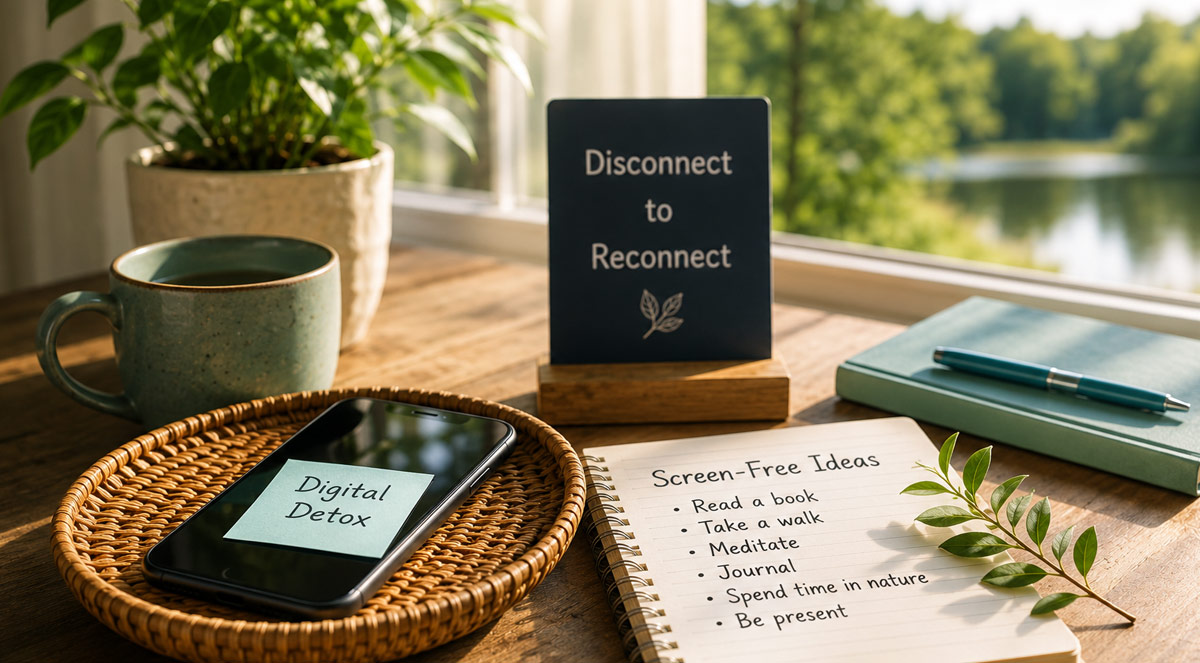
Replacing screen time with healthier activities can also make a big difference. Reading a book, going for a walk, exercising, cooking, or spending time outdoors are all excellent alternatives that benefit both your physical and mental health.
Finding the Right Balance
Technology has many advantages. It helps us communicate, work, learn, and stay informed. The goal isn’t to eliminate digital devices but to make sure they’re supporting your life instead of controlling it.
Ask yourself a few simple questions:
- Are you using technology intentionally or simply out of habit?
- Does your screen time leave you feeling energized or exhausted?
- Are your devices helping you achieve your goals, or distracting you from them?
Honest answers can help you identify where small changes might have the greatest impact.
The Bottom Line
A digital detox isn’t about rejecting technology—it’s about building healthier habits around it. If you find yourself constantly distracted, struggling to focus, or feeling overwhelmed by endless notifications, taking regular breaks from your devices may improve your mental well-being, sleep, productivity, and relationships.
You don’t have to disconnect completely to enjoy the benefits. Even reducing unnecessary screen time for an hour or two each day can help you feel more present, more focused, and more in control of your daily life.
Creating a healthier relationship with technology is a simple lifestyle change that can have lasting benefits for both your mind and body.