

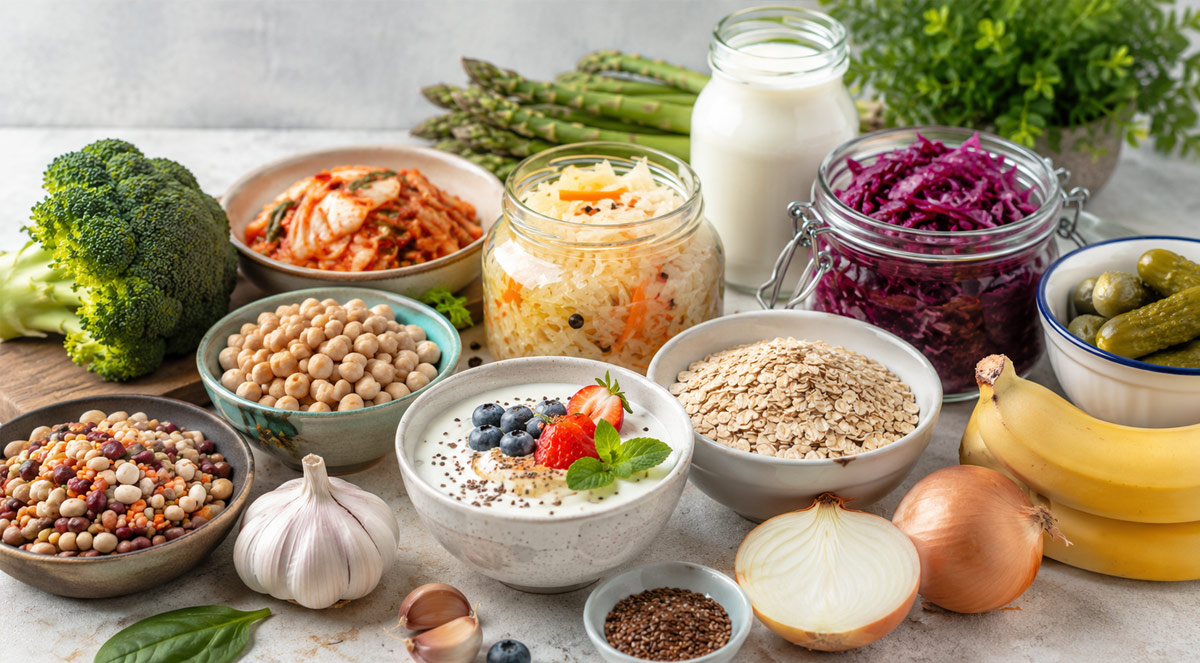
Your gut does far more than break down the food you eat. It is home to trillions of microorganisms that influence digestion, nutrient absorption, immune function, and other important aspects of your health. Together, these bacteria, fungi, and other microbes make up what is known as the gut microbiome.
The good news is that supporting your gut health doesn’t require an expensive diet, complicated meal plans, or a cabinet full of supplements. What you eat regularly can make a meaningful difference. A varied diet rich in fiber, plant-based foods, and naturally fermented products can help create an environment where beneficial gut bacteria thrive.
But which foods are worth adding to your meals, and how can you make them part of your everyday routine?
In this article, we’ll explore some of the best foods for gut health, explain how they support your microbiome, and share practical tips for improving digestion through simple dietary choices.
What Is the Gut Microbiome?
The gut microbiome is the community of microorganisms that lives throughout your digestive tract, particularly in your large intestine. Although many people associate bacteria with illness, numerous types of gut bacteria are beneficial and play essential roles in maintaining health.
These microorganisms help break down components of food that your body cannot fully digest on its own. They also produce substances that support the intestinal lining, interact with your immune system, and contribute to the production of certain vitamins.
Scientists are still discovering how the gut microbiome affects the body. However, research suggests that a diverse and balanced microbial community may be associated with better digestive and overall health.
Your gut microbiome is influenced by several factors, including your diet, lifestyle, medications, age, and environment. Among these factors, the foods you eat consistently are particularly important.
Why Is Gut Health Important?
A healthy digestive system helps your body process food efficiently and absorb the nutrients it needs. Your gut microbiome also contributes to several other important functions.
These include:

Supporting digestion: Certain gut bacteria help break down dietary fibers and other compounds that human digestive enzymes cannot fully process.
Producing beneficial compounds: When gut bacteria ferment certain types of fiber, they produce short-chain fatty acids, which help support the health of the colon and may influence metabolism and immune function.
Supporting the intestinal barrier: A healthy intestinal lining helps regulate what passes from the digestive tract into the bloodstream.
Contributing to immune function: The gut and its microorganisms interact closely with the immune system.
Supporting the gut-brain connection: Communication between the digestive system and brain is influenced by the nervous system, hormones, immune signals, and microbial activity.
Maintaining good gut health is not about achieving a perfect balance of bacteria. Instead, the goal is to support a resilient digestive system through a varied diet and healthy lifestyle.
10 Foods That Can Support a Healthy Gut Microbiome
The best approach to gut health is to eat a wide variety of nutrient-rich foods. Different foods provide different types of fiber, plant compounds, and microorganisms, helping support a more diverse diet and potentially a more diverse gut microbiome.
Here are 10 excellent options to consider.
1. Yogurt With Live and Active Cultures
Yogurt is one of the easiest fermented foods to include in a gut-friendly eating pattern. Yogurt made with live cultures contains microorganisms produced during fermentation, including certain bacteria that may survive passage through the digestive system.
Some yogurt cultures have been studied for their potential effects on digestion and lactose tolerance. However, the benefits can vary depending on the bacterial strains and the individual.
When choosing yogurt, look for products labeled “live and active cultures.” Plain, unsweetened yogurt is often a good choice because it contains less added sugar.
You can enjoy yogurt with berries, oats, chopped nuts, or seeds for a nutritious breakfast or snack.
2. Kefir
Kefir is a fermented drink traditionally made by fermenting milk with kefir cultures. It contains a mixture of bacteria and yeasts, giving it a distinctive tangy flavor and a range of microbial cultures.
Because kefir contains microorganisms involved in fermentation, it may be a useful addition to a varied diet. Some people also find fermented dairy products easier to tolerate than regular milk, although this is not true for everyone.
For a simple serving, add kefir to a smoothie, combine it with fruit, or drink a small glass alongside breakfast.
If you avoid dairy, you can explore plant-based fermented alternatives, but check whether they contain live cultures and whether they provide comparable nutrients.
3. Sauerkraut
Sauerkraut is made by fermenting cabbage with salt. During fermentation, lactic acid bacteria multiply and contribute to the food’s distinctive sour flavor.
Naturally fermented sauerkraut may contain live microorganisms, along with fiber and other nutrients found in cabbage. However, not every commercially available product contains live cultures.
If you are specifically looking for fermented foods with living microorganisms, choose refrigerated sauerkraut labeled as unpasteurized or containing live cultures. Heat treatment, including pasteurization, can reduce the number of living microorganisms.
Sauerkraut works well as a topping for sandwiches, a side dish, or an addition to grain bowls.
Keep in mind that sauerkraut can be high in sodium, so portion size may matter if you are watching your salt intake.
4. Kimchi
Kimchi is a traditional Korean dish made by fermenting vegetables, most commonly napa cabbage and radishes, with seasonings such as garlic, ginger, and chili.
The fermentation process encourages the growth of lactic acid bacteria, while the vegetables provide fiber and a variety of plant compounds.
Kimchi is a flavorful way to add more vegetables to your diet, and its strong taste can make simple meals more interesting. Try adding a small serving to rice bowls, eggs, soups, or grilled proteins.
Because kimchi is often spicy and salty, start with a modest portion if you are not used to fermented foods or if spicy dishes trigger digestive discomfort.
5. Oats and Other Whole Grains
Whole grains are among the most useful foods for supporting gut health because they provide dietary fiber and other plant compounds.
Oats, barley, brown rice, quinoa, and whole-grain wheat can contribute to your daily fiber intake. Some of the fibers found in these foods reach the large intestine, where gut bacteria ferment them and produce beneficial compounds.
Oats and barley are particularly notable for their beta-glucan content, a type of soluble fiber associated with several health benefits.
Instead of choosing refined grains at every meal, try making gradual substitutions:
Enjoy oatmeal for breakfast, choose brown rice with lunch, or use whole-grain bread for sandwiches.
Increasing your intake of whole grains can support digestion while also contributing to heart health and better overall nutrition.
6. Bananas
Bananas are convenient, affordable, and easy to add to almost any meal. They contain dietary fiber, including resistant starch, particularly when they are still green or only slightly ripe.
Resistant starch is not fully digested in the small intestine. Some of it reaches the colon, where gut bacteria can ferment it.
As bananas ripen, some of their starch is converted into sugars, so the amount of resistant starch changes with ripeness.
You can add bananas to oatmeal, blend them into smoothies, slice them over yogurt, or enjoy them as a quick snack.
If you are sensitive to certain fermentable carbohydrates, however, bananas may cause digestive symptoms depending on their ripeness and the amount you eat.
7. Garlic
Garlic is more than a flavorful ingredient. It also contains compounds and fibers that may contribute to a gut-supportive diet.
One of its notable components is inulin, a type of fermentable fiber that can serve as a food source for certain beneficial gut bacteria. Garlic also contains plant compounds that contribute to its distinctive flavor and potential health effects.
Adding garlic to your meals is an easy way to increase flavor without relying heavily on processed sauces or excess salt.
Try using fresh garlic in:
- Roasted vegetables
- Soups and stews
- Homemade salad dressings
- Pasta sauces
- Bean and lentil dishes
However, garlic can trigger bloating or discomfort in some people, especially those who are sensitive to fermentable carbohydrates. If that sounds familiar, smaller portions may be easier to tolerate.
8. Onions
Onions are another useful source of prebiotic fibers, including fructans. These fibers can be fermented by certain bacteria in the large intestine and may help support microbial activity.
Red onions, yellow onions, and other varieties can all contribute to a fiber-rich eating pattern.
You can add onions to salads, omelets, soups, stir-fries, and roasted vegetable dishes. Cooking them may improve their flavor and make them easier for some people to tolerate, although it does not eliminate all of their fermentable carbohydrates.
If onions regularly cause gas or bloating, try reducing the portion size or experimenting with other vegetables that provide fiber.
9. Beans, Lentils, and Chickpeas
Legumes are nutritional powerhouses when it comes to digestive health. Beans, lentils, chickpeas, and peas provide dietary fiber, plant-based protein, vitamins, and minerals.
Their fiber helps nourish gut bacteria and supports regular bowel movements. Some of the carbohydrates in legumes are also fermented in the large intestine, producing compounds that can benefit the gut environment.
If you are not used to eating many legumes, increasing your intake too quickly may cause gas or bloating. This is often because gut bacteria ferment carbohydrates that your digestive system has not been accustomed to processing in large amounts.
A gradual approach can help. Start with small servings, drink enough water, and increase portions as your body adjusts.
Legumes are excellent in soups, salads, stews, curries, and grain bowls.
10. Colorful Fruits and Vegetables
Eating a wide range of fruits and vegetables is one of the most effective ways to improve the overall quality of your diet and support your gut microbiome.
Different plant foods provide different types of fiber and plant compounds called polyphenols. These compounds are being studied for their potential interactions with gut bacteria and their role in overall health.
Some excellent choices include:
- Berries
- Apples
- Citrus fruits
- Broccoli
- Carrots
- Spinach
- Bell peppers
- Cabbage
- Eggplant
- Sweet potatoes
Rather than focusing on one particular “superfood,” try to include a variety of colors throughout the week.
For example, you could add berries to breakfast, leafy greens to lunch, and roasted carrots or broccoli to dinner. This simple habit helps increase both the variety and nutritional value of your meals.
Prebiotics vs. Probiotics: What’s the Difference?
The terms prebiotics and probiotics are often used together, but they describe different things.
Probiotics are live microorganisms that, when consumed in adequate amounts, provide a health benefit. Certain fermented foods and probiotic supplements contain specific strains of these microorganisms.
Prebiotics are substances, often certain types of dietary fiber, that are selectively used by microorganisms in ways that provide a health benefit. They help support the activity or growth of beneficial microbes already present in the gut.
Foods such as garlic, onions, oats, legumes, and some fruits contain fibers that may have prebiotic effects.
Both can have a place in a healthy diet. However, not every fermented food contains probiotics in the strict scientific sense, and not every type of fiber is classified as a prebiotic.
The most practical takeaway is to eat a varied diet that includes plenty of fiber-rich plant foods and fermented foods when you tolerate them well.
Foods and Eating Habits That May Not Support Gut Health
A healthy diet does not mean avoiding every processed food or never enjoying sweets. What matters most is your overall eating pattern.
However, regularly consuming large amounts of certain foods and beverages may make it harder to maintain a balanced, fiber-rich diet.
These include:
Highly processed foods: Diets dominated by heavily processed products may contain less fiber and fewer beneficial plant compounds than diets rich in whole and minimally processed foods.
Sugar-sweetened beverages: Soft drinks and other sugary beverages can add substantial amounts of sugar without providing much fiber or nutritional value.
Excessive alcohol: High alcohol consumption can negatively affect digestive health and may influence the gut barrier and microbial community.
Very low-fiber diets: Consistently eating too little fiber may limit the fuel available to certain beneficial gut bacteria and contribute to constipation.
Instead of trying to eliminate these foods completely, focus on improving the balance of your diet. Adding more vegetables, whole grains, legumes, fruit, and other nutrient-rich foods is often more sustainable than following strict rules.
Everyday Habits That Support a Healthier Gut
Your food choices matter, but gut health is influenced by more than diet alone.
Eat More Variety
Try introducing different fruits, vegetables, whole grains, nuts, seeds, and legumes into your meals. A greater variety of plant foods can provide a broader range of fibers and plant compounds.
You do not need to change everything at once. Adding one new plant food each week is a simple way to build variety.
Increase Fiber Gradually
Fiber is important for digestion, but suddenly eating much more of it can cause gas, bloating, or discomfort.
Increase your intake gradually and give your digestive system time to adapt. Drinking enough fluids can also help support normal bowel function.
Stay Hydrated
Water helps keep stool softer and supports normal digestive processes. Your fluid needs depend on factors such as activity level, climate, and overall health.
Make a habit of drinking water regularly throughout the day.
Exercise Regularly
Physical activity can support normal bowel movements and overall digestive function. Walking, cycling, swimming, and strength training are all useful ways to stay active.
Even a short walk after a meal may be a practical addition to your daily routine.
Prioritize Quality Sleep
Sleep and digestive health are closely connected. Poor sleep can affect appetite, stress levels, and other processes that influence overall well-being.
Aim for a consistent sleep schedule and create a relaxing bedtime routine.
Manage Stress
Stress can affect digestion through communication between the brain and digestive system. Some people experience changes in bowel habits, abdominal discomfort, or bloating during stressful periods.
Activities such as walking, breathing exercises, meditation, and spending time outdoors may help you manage everyday stress.
Use Antibiotics Only When Necessary
Antibiotics can be essential for treating certain bacterial infections, but they can also alter the gut microbiome.
Take antibiotics only as prescribed by a healthcare professional. Never stop a prescribed course or change your medication without appropriate medical advice.
Frequently Asked Questions About Gut Health
How long does it take to improve gut health?
There is no single timeline that works for everyone. Changes in diet can influence the gut microbiome relatively quickly, but noticeable digestive improvements may take longer.
Some people experience changes in bowel regularity or bloating within a few weeks of adjusting their diet. Others may need more time, and some symptoms may have causes unrelated to the microbiome.
The most useful approach is to make gradual, sustainable changes rather than expect overnight results.
Are probiotic supplements necessary for a healthy gut?
Not necessarily. Many people can support their digestive health through a varied diet that includes fiber-rich plant foods and, when appropriate, fermented foods.
Probiotic supplements contain specific microorganisms, and their effects can depend on the strain, dose, and health concern being addressed. They are not universally necessary.
If you are considering a supplement, especially if you have an underlying health condition or take medication, speak with a healthcare professional.
What are the best sources of prebiotics?
Several everyday foods contain fibers that can have prebiotic effects. Examples include garlic, onions, oats, barley, legumes, asparagus, and certain fruits.
The best choice depends on your individual tolerance. If a particular food causes discomfort, you can explore other sources of fiber instead.
Can eating more fiber cause bloating?
Yes. Increasing fiber too quickly can lead to gas, bloating, and abdominal discomfort, particularly when adding large amounts of beans, lentils, onions, or other fermentable foods.
Try increasing fiber gradually, drinking enough fluids, and paying attention to portion sizes.
If bloating is persistent or severe, consult a healthcare professional rather than assuming that fiber is the only cause.
Can improving gut health help with constipation?
For some people, increasing dietary fiber, drinking enough fluids, and staying physically active may help improve bowel regularity.
However, constipation can have many causes, including medications, changes in routine, underlying medical conditions, and inadequate fluid or fiber intake.
If constipation is persistent, painful, or accompanied by warning signs such as blood in the stool, unexplained weight loss, or severe abdominal pain, seek medical advice.
Is fermented food always good for the gut?
Fermented foods can be nutritious and may contain beneficial microorganisms, but their effects depend on the food, the fermentation process, and the individual.
Some products are pasteurized after fermentation and may no longer contain living microorganisms. Others may be high in salt, sugar, or fat.
Choose fermented foods that fit your nutritional needs, and pay attention to how your body responds.
Final Thoughts
Supporting a healthy gut microbiome doesn’t require a restrictive diet or a search for one magical ingredient. The most effective strategy is to build consistent habits around a varied, nutrient-rich eating pattern.
Include more fiber-rich foods such as oats, legumes, whole grains, fruits, and vegetables. Add fermented foods like yogurt, kefir, sauerkraut, or kimchi if you enjoy them and tolerate them well. At the same time, stay active, drink enough water, prioritize sleep, and find ways to manage stress.
Remember that gut health is a long-term process, not a quick fix. What matters most is the overall quality and variety of your diet over time.
By making small, realistic changes to your everyday meals, you can support better digestion and contribute to your broader health and well-being.