

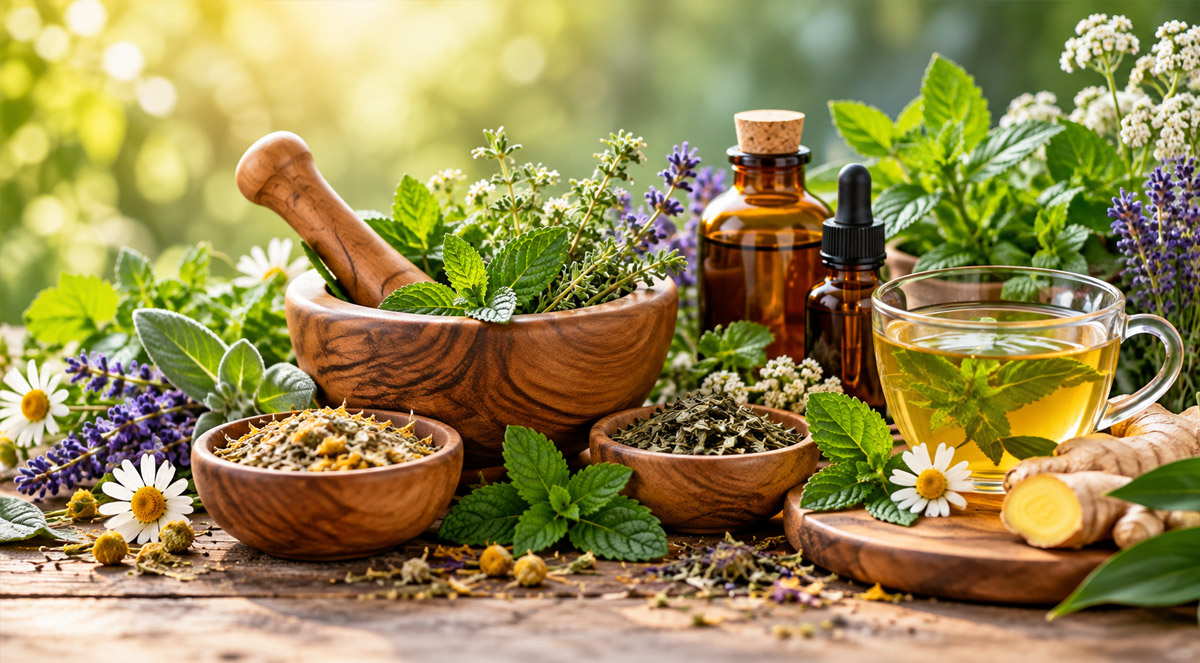
Natural medicine has been used for thousands of years, long before modern hospitals, pharmaceutical drugs, and advanced diagnostic technology existed. Across different cultures, people have relied on plants, traditional practices, nutrition, movement, and other natural approaches to support health and manage everyday health concerns.
Today, interest in these traditional approaches is growing again. But what exactly is natural medicine, and can it have a useful place alongside modern healthcare?
What Is Natural Medicine?
Natural medicine is a broad term used to describe health practices that use naturally derived substances or traditional approaches to support well-being. These may include herbal remedies, certain forms of traditional medicine, nutrition-based approaches, massage, acupuncture, and other complementary practices.
Many of these traditions developed independently around the world. Chinese medicine, Ayurvedic medicine from India, and traditional European herbal medicine all have long histories of using plants and other natural substances as part of healthcare.
Although modern medicine has transformed healthcare, some medicines used today have connections to traditional remedies. Compounds derived from plants have contributed to the development of important pharmaceutical drugs. Examples include quinine, which originated from the bark of the cinchona tree, and compounds related to digitalis, derived from foxglove plants.
This history demonstrates why researchers continue to investigate traditional knowledge and natural substances.
Why Are People Interested in Natural Remedies?
One reason natural medicine remains popular is its connection to everyday habits and prevention. Rather than focusing exclusively on treating illness after it develops, many natural health traditions emphasize maintaining overall well-being through lifestyle choices.
A nutritious diet, regular physical activity, adequate sleep, stress management, and healthy daily routines are all important parts of maintaining good health. These principles are also widely recognized within modern healthcare.
People may also turn to natural approaches because they are interested in traditional practices, prefer certain non-drug options for minor concerns, or want additional ways to support their general well-being.
However, “natural” does not automatically mean “safe” or “effective.” Some plants and supplements can interact with medications, cause side effects, or be inappropriate for certain people.

The Role of Herbal Medicine
Herbal medicine is one of the best-known areas of natural medicine. It involves using plants or plant-derived preparations for health purposes.
Some plants contain biologically active compounds that can have genuine effects on the body. This is one reason scientists continue to study traditional herbal remedies and their individual components.
At the same time, the evidence varies considerably from one herbal product to another. Some have been studied extensively, while others have little reliable evidence supporting their claimed benefits.
Quality can also vary between products. The concentration of active ingredients may differ, and some supplements may interact with prescription or over-the-counter medications.
For these reasons, herbal products should not automatically be considered a safer replacement for conventional medicines.
Natural Medicine and Modern Healthcare
Natural and conventional medicine do not necessarily have to be viewed as opposing systems.
A more practical approach is often to consider evidence-based natural therapies as complementary options when appropriate. For example, healthy eating, exercise, relaxation techniques, and certain forms of physical therapy can work alongside conventional healthcare.
For someone with a minor health concern, a healthcare professional may sometimes recommend lifestyle changes or other non-drug approaches. For more serious conditions, however, natural remedies should not replace appropriate medical diagnosis or treatment.
This distinction is especially important when symptoms are persistent, severe, or unexplained.
Not Every Natural Therapy Has Been Proven
One of the biggest challenges surrounding natural medicine is the enormous variety of treatments that fall under the same label.
Some approaches have been investigated in clinical studies, while others have limited scientific evidence. Practices such as acupuncture, aromatherapy, and homeopathy, for example, have very different levels of evidence for different conditions.
This means it is important to look at each therapy individually rather than assuming that all natural treatments work in the same way.
Reliable evidence, appropriate dosage, product quality, potential side effects, and interactions with other treatments should all be considered.
Natural Medicine Starts With Healthy Habits
Perhaps the simplest and most useful part of natural medicine is its emphasis on everyday healthy habits.
Eating a balanced diet, staying physically active, getting enough sleep, maintaining healthy relationships, managing stress, and avoiding harmful habits can all contribute to long-term well-being.
These aren’t ancient secrets or miracle cures. They are basic principles that have remained relevant because they support many aspects of physical and mental health.
In this sense, some of the ideas associated with traditional medicine overlap with modern preventive healthcare.
What Should You Consider Before Trying a Natural Remedy?
If you are considering an herbal product, supplement, or other natural therapy, it is worth doing some research first.
Look for reliable evidence supporting its intended use and check whether there are known side effects or interactions with medications you already take. If you are pregnant, breastfeeding, preparing for surgery, managing a chronic condition, or taking prescription medication, speaking with a qualified healthcare professional before trying a new supplement is particularly important.
And if you have symptoms that are severe, persistent, or getting worse, seek appropriate medical advice rather than relying on a natural remedy alone.
The Future of Natural Medicine
Natural medicine has a fascinating history, and modern research continues to investigate many traditional remedies and plant-based compounds. Some may eventually contribute to useful treatments, while others may prove ineffective or unsuitable.
The most valuable lesson may be that traditional knowledge and modern science don’t necessarily need to compete. Traditional practices can provide ideas for scientific research, while modern research can help determine which approaches are effective, which are not, and which may carry risks.
Natural medicine can therefore be viewed as part of a broader conversation about health rather than a replacement for modern healthcare.
The goal should not be to choose between “natural” and “modern” medicine simply because one sounds more appealing. Instead, informed health decisions should be based on good evidence, individual circumstances, safety, and advice from qualified healthcare professionals.