
Getting fit doesn’t necessarily mean spending hours at the gym or following an intense workout program. For most people, building a healthier lifestyle starts with simple, consistent changes that increase daily movement and make exercise a regular part of life.
Regular physical activity can support cardiovascular health, stronger muscles and bones, better sleep, improved mood, and healthy weight management. It can also help reduce stress and give you more energy throughout the day.
The key is finding activities you actually enjoy and creating a routine you can maintain.
Why Staying Active Matters
Our bodies are designed to move. Unfortunately, modern lifestyles often involve long periods of sitting, working at a desk, driving, and spending free time in front of screens.
Making time for physical activity can help counteract some of the effects of a sedentary lifestyle. You don’t have to completely change your daily routine overnight. Even small increases in movement can be a positive step toward better fitness.
Instead of thinking about exercise as something you have to force yourself to do, try viewing it as an investment in your long-term health and well-being.
Combine Cardio and Strength Training
A well-rounded fitness routine usually includes both cardiovascular and strength-building activities.
Cardio, or aerobic exercise, gets your heart beating faster and your breathing rate up. Walking briskly, jogging, swimming, cycling, dancing, and many sports are examples of aerobic activities. Regular cardio can help improve your endurance and cardiovascular fitness.
Strength training focuses on making your muscles work against resistance. This can include lifting weights, using resistance bands, performing bodyweight exercises, or doing activities that challenge your muscles.
Strength training is particularly valuable because maintaining muscle strength supports everyday movement, physical function, and healthy bones.

You don’t necessarily have to choose between cardio and strength training. Combining both can give you a more balanced approach to fitness.
Start With Small, Specific Goals
One of the biggest mistakes people make when starting a fitness routine is trying to do too much too soon.
Instead of setting a vague goal such as “get in shape,” choose something specific and realistic. You might decide to take a 20-minute walk after dinner three days a week, complete two strength workouts each week, or gradually increase your daily step count.
Small goals are easier to track and can help build confidence and consistency. Once a particular habit becomes part of your routine, you can gradually increase the duration or intensity.
Remember, progress doesn’t have to be dramatic to be meaningful.
Look for Opportunities to Move During the Day
Exercise doesn’t only happen during a formal workout.
There are plenty of ways to become more active throughout an ordinary day. Take the stairs instead of the elevator when practical. Park a little farther from your destination. Take a short walk during a break. Walk while talking on the phone or choose to visit a coworker’s desk instead of sending a message when appropriate.
These small periods of movement can add up over the course of a day.
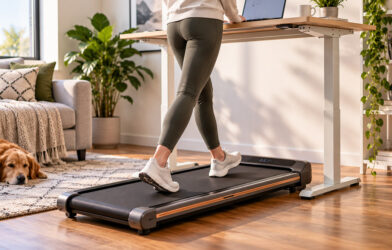
If you spend most of your day sitting, try breaking up long periods of inactivity with brief movement breaks. Standing up, stretching, or taking a few minutes to walk can be an easy way to introduce more activity into your routine.
Don’t Assume Getting Older Means You Can’t Get Stronger
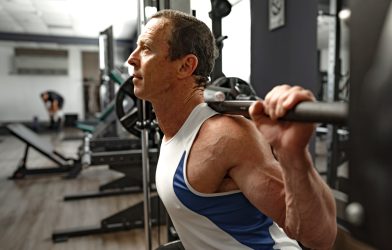
Fitness can change as we age, but getting older doesn’t mean you have to stop building strength or staying active.
Maintaining muscle becomes especially important throughout adulthood because muscle mass and strength can decline when they aren’t regularly challenged. Regular resistance training, combined with adequate nutrition and overall physical activity, can help support muscle strength and physical function.
Rather than focusing only on weight or appearance, think about fitness in terms of what your body can do. Being able to climb stairs comfortably, carry groceries, walk longer distances, or perform everyday tasks with confidence are all meaningful signs of physical fitness.
Aim for Consistency Rather Than Perfection
You don’t need to complete a perfect workout every day to make progress.
If you’re currently inactive, start with an amount of activity that feels manageable and gradually build from there. As your fitness improves, you can increase the duration, frequency, or intensity of your workouts.
Some weeks will be better than others. You might miss a workout because of work, travel, family responsibilities, or simply because you need a rest day. That’s okay.
What matters most is returning to your routine rather than giving up because you missed a few sessions.
Stay Hydrated
Water is important for normal body function, and staying hydrated becomes particularly important when you’re physically active or exercising in hot conditions.
Keep water available throughout the day and drink regularly. During longer or particularly demanding workouts, your fluid needs may be greater.
Rather than following a single “two liters a day” rule that applies to everyone, pay attention to your thirst, activity level, environment, and other individual factors.
Give Your Body Time to Recover
Exercise challenges your body, and recovery is an important part of becoming fitter.
Allow yourself adequate rest between demanding workouts, especially when you’re beginning a new exercise program. Sleep, rest days, good nutrition, and appropriate recovery can all help you stay consistent and reduce the risk of becoming overly fatigued.
If you’re constantly exhausted or experiencing persistent pain, it may be a sign that you’re doing too much and need to adjust your routine.
Make Fitness Part of Your Lifestyle
The best fitness routine isn’t necessarily the hardest one. It’s the one you can realistically continue.
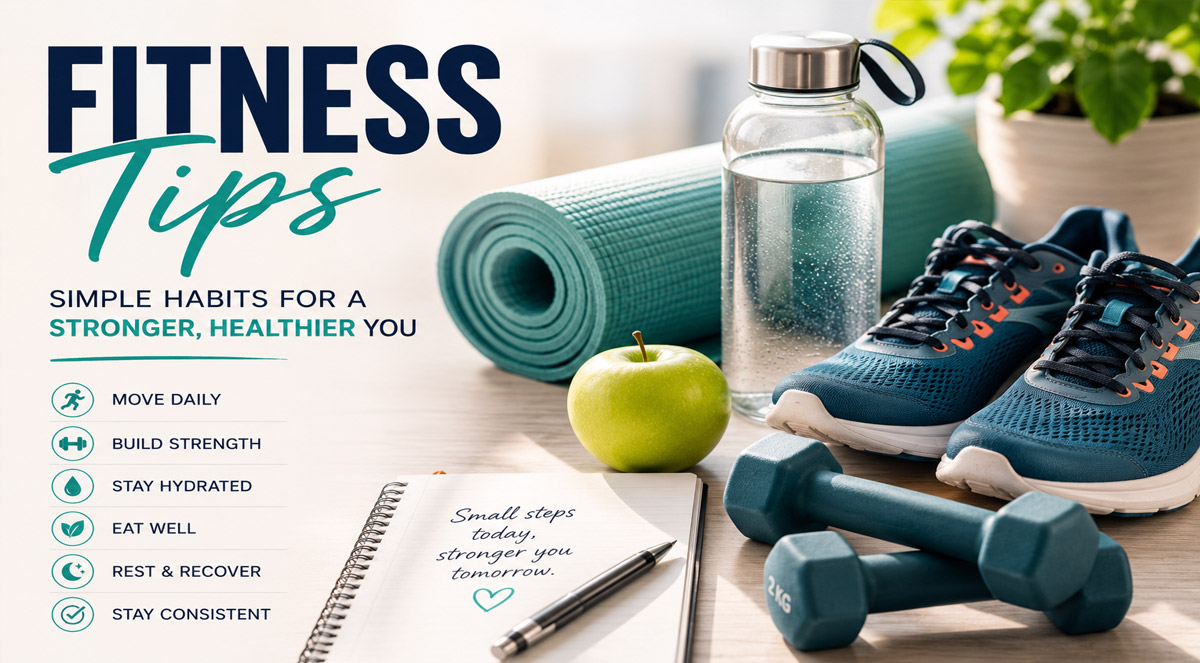
Find activities you enjoy, set manageable goals, move more throughout your day, combine cardio with strength training, stay hydrated, and give your body enough time to recover.
You don’t have to transform your lifestyle overnight. Start with one small change today and build from there. Over time, those small decisions can become habits that support a stronger, healthier, and more active life.